


Anyone who wears glasses knows the problem: a rigid headband pressing frames into your temples turns an hour of listening into an hour of low-grade headache. This roundup gathers ten options built to coexist with eyewear, from featherweight open-ear designs to plush noise-cancelling cans. Whether you commute daily, work at a desk, or just want music without sore ears by lunchtime, there’s a fit here worth your attention.
A Side-By-Side Look

Xmenha Wireless Bluetooth Open Over Ear Headphones

Beats Studio Pro Wireless Over-Ear Headphones Sand Gray
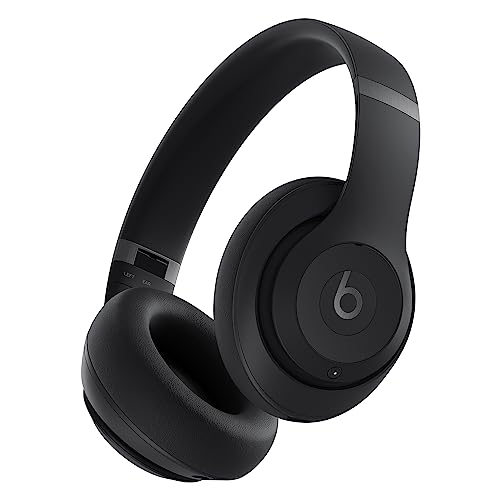
Beats Studio Pro Wireless Over-Ear Headphones Black
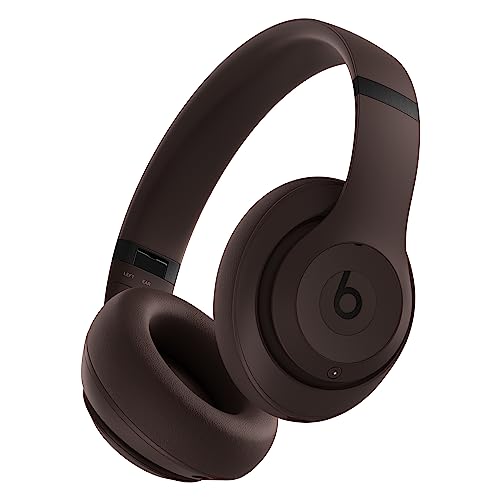
Beats Studio Pro Wireless Over-Ear Headphones Deep Brown

Beats Studio Pro Wireless Over-Ear Headphones Matte White

Beats Studio Pro Wireless Over-Ear Headphones Navy

Beats Studio Pro Wireless Over-Ear Headphones Sandstone

Soundcore by Anker Q20i Hybrid Active Noise Cancelling Headphones White

Soundcore by Anker Q20i Hybrid Active Noise Cancelling Headphones Black
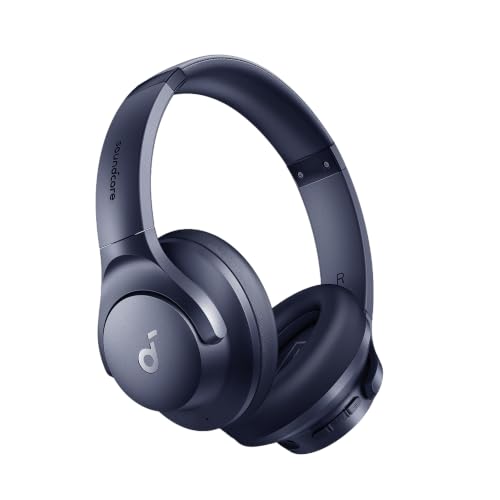
Soundcore by Anker Q20i Hybrid Active Noise Cancelling Headphones Blue
Why These Options Stand Out
Open-ear designs solve the glasses problem differently than padded cups: sound sits beside your ear canal instead of sealing over it, so nothing competes with your frames. Xmenha leans into that idea with slim memory-wire hooks meant to sit nearly unnoticed alongside temple arms.
For runners and cyclists this layout has a real safety angle too, since ambient traffic noise stays audible. You may find bass lighter than closed-back rivals, which is the honest trade-off of the format.
What Makes Sense
- Ultra-thin ear hooks leave room for glasses temples without pressure buildup
- Open design keeps you aware of surroundings during outdoor workouts
- Hook-style fit tends to stay put through runs better than loose buds
- Light overall load means less fatigue on long wear days
Things To Consider
- Noise isolation is minimal by design, so loud gyms or trains will bleed through
- Ear hooks need gentle handling when storing; kinking the wire shape can affect fit over time
Who It Suits Best
Glasses-wearing runners and outdoor exercisers who prioritize awareness and pressure-free fit over deep bass.
Where A Sibling Pick Shines
The Soundcore Q20i in Black suits budget-focused commuters better, since its sealed cups and active cancellation handle train noise far more effectively.
This is the flagship of the group, and the Sand Gray finish gives it a softer, less corporate look than the usual black. Beats specifies up to 40 hours of battery life, active noise cancelling, and a custom acoustic platform tuned for balanced playback rather than one-note bass.
On a long flight, that combination matters: the clamping force sits firm enough to seal out cabin drone while plush cups spread pressure around your frames instead of onto them. Pairing works with both Apple and Android devices.
What Helps Most
- Active noise cancelling quiets engines, offices, and street rumble
- Balanced tuning handles podcasts and calls as well as music
- Roughly 40-hour battery covers weeks of typical commuting between charges
- Cross-platform compatibility removes pairing headaches
Trade Offs
- Premium pricing puts it well above the Soundcore alternatives here
- Sealed cups trap warmth, something hot-climate owners commonly mention
Key Specs
Made For
Frequent travelers who want premium noise cancelling and won’t compromise on sound quality.
Skip It When
The Soundcore Q20i in White serves students and first-time ANC shoppers better at a friendlier entry point.
Same hardware as the Sand Gray model above, dressed in the classic black that hides scuffs best. Where this listing stands apart is its wired flexibility: you get USB-C lossless audio for high-fidelity listening plus a 3.5mm jack fallback for airplane seats and older gear.
That analog option is quietly useful for glasses wearers on planes, since wired mode means no charging anxiety mid-flight. Commuters who bounce between a laptop, phone, and seatback entertainment system will appreciate not thinking about it.
A Few Highlights
- USB-C lossless audio preserves detail wireless compression strips away
- 3.5mm input keeps it alive when the battery isn’t
- ANC blocks distraction at work, in transit, or mid-commute
- Black finish stays discreet in professional settings
Minor Gripes
- Earpad cushions collect skin oils and benefit from occasional wiping to stay fresh
- Heavier investment than most people need for casual home listening
At A Glance
Right Fit For
Daily commuters juggling multiple devices who want wired backup options and serious quiet.
Consider Something Else When
The Xmenha open-ear pair fits gym-goers better, since sealed ANC cups run warmer during sweaty workouts.
Deep Brown is arguably the most grown-up colorway in the Studio Pro lineup, closer to leather goods than gadgetry. Underneath the finish it’s the same capable machine: rich balanced audio, active noise cancelling, and battery life stretching to roughly 40 hours per charge.
Home-office types wearing glasses through back-to-back video calls tend to value how the cushioned cups distribute clamp force away from temple arms. In our view, this shade also photographs better in meetings than stark black.
Standout Benefits
- Custom acoustic platform delivers warm, even sound across genres
- ANC makes open-plan offices and cafes workable focus zones
- Extended battery life shrugs off all-day call schedules
- Muted brown tone resists showing fingerprints and wear
Points To Note
- Limited color availability can mean waiting on restocks compared with black
- Over-ear seal requires a reasonably snug fit, which some smaller heads find tight initially
Who Will Love This
Professionals who want studio-grade sound and noise cancelling in a finish that reads polished, not sporty.
Another Choice May Suit
The Matte White Studio Pro appeals more to minimalists who prefer bright, clean aesthetics over earthy tones.
Matte White is the statement piece here, and unlike the Deep Brown sibling reviewed earlier, it trades understatement for a crisp, gallery-clean look. The internals stay identical: up to 40 hours of playback, active noise cancelling, lossless-capable USB-C audio, and broad Apple and Android support.
Desk-based workers who take calls all day often gravitate to this shade because it looks intentional on camera. One honest caveat applies before anything else, though.
Where It Excels
- Bright matte finish stands out among sea-of-black headphones
- Full ANC suite handles busy households and shared workspaces
- USB-C lossless support rewards higher-quality streaming sources
- 40-hour class battery suits week-long untethered use
Small Caveats
- White surfaces show makeup, denim dye transfer, and grime faster than darker finishes, so regular gentle cleaning keeps them looking sharp
- You’ll pay a modest premium for the colorway versus standard black listings
Quick Facts
The Right Fit
Creators and remote workers who want their headphones to look as considered as their setup sounds.
Not Your Match When
The Navy Studio Pro is the smarter call for travelers, since dark finishes hide the scuffs luggage compartments dish out.
Navy splits the difference between the playful Matte White and the formal Black versions covered above, which is partly why it earns the travel slot here. Battery life tops out near 40 hours, enough to fly transatlantic round trips without seeing a charger.
Active noise cancelling does the heavy lifting against cabin roar, while the sealed over-ear cushions sit comfortably alongside glasses temples for multi-hour stretches. Beats’ tuning favors a slightly warm presentation that flatters airline-movie dialogue.
Practical Pluses
- Marathon battery life matches long-haul itineraries
- ANC tamps down engine drone and crying-seat-row stress
- Navy hides travel wear noticeably better than light finishes
- Works seamlessly with both major phone ecosystems
Honest Caveats
- Folded size still occupies meaningful carry-on space compared with folding bud cases
- Owners commonly report the headband benefits from careful storage to preserve padding shape
Built With In Mind
Regular flyers and rail commuters who need endurance, quiet, and a finish that survives being packed weekly.
Swap It Out When
The Soundcore Q20i in Blue covers occasional travelers on tighter budgets with respectable cancellation for the money.
Sandstone lands between the Sand Gray exclusive earlier in this list and the Deep Brown option, offering a warm neutral that pairs easily with almost any wardrobe. Functionally nothing changes: expect the same custom acoustic platform, active noise cancelling, and battery life approaching 40 hours.
For glasses wearers logging eight-hour office days, the appeal is consistency. The cups hold a comfortable seal without cranking clamp pressure onto your frames, and the neutral tone looks appropriate in any meeting room.
Features That Help
- Versatile warm-neutral colorway suits casual and formal settings alike
- Noise cancelling transforms noisy open offices into workable spaces
- Long battery life means weekday charging becomes optional
- Call quality holds up for back-to-back virtual meetings
What To Weigh
- Functionally identical to other Studio Pro colors, so the choice comes down purely to aesthetics and availability
- Light-toned pads may show wear sooner than the black variant
Whose Shelf It Belongs On
Everyday office professionals wanting one dependable pair that looks right everywhere and never needs babysitting.
Look Elsewhere When
The Xmenha open-ear headphones serve glasses wearers whose priority is zero contact pressure rather than isolation.
Here’s where the price-to-feature math gets interesting. The Q20i brings genuine hybrid active noise cancelling, meaning microphones inside and outside the earcup sample surrounding sound and cancel it, to a price bracket far below the Beats entries above.
Anker’s BassUp processing pushes low frequencies forward in wireless mode, and the white finish gives it a fresher look than most budget cans manage. Students and first-time ANC shoppers rarely regret starting here.
Everyday Wins
- Hybrid ANC meaningfully reduces office and commute background noise
- BassUp tuning adds punch for bass-forward playlists
- Price leaves room in the budget for accessories or a second pair
- Light colorway feels less utilitarian than typical budget black
Room For Improvement
- Noise cancelling falls short of the Studio Pro’s refinement in very loud environments like aircraft cabins
- Plastic build feels lighter-duty, so padded storage matters for longevity
Core Details
Who Should Grab It
Students and dorm dwellers who want real noise cancelling without a premium outlay.
A Better Fit Elsewhere
The Beats Studio Pro in Black rewards heavy travelers with stronger cancellation and wired versatility.
The black Q20i is the stealth version of the white pair just covered, and it’s the one most commuters end up choosing since it disappears into any outfit. Its four-mic hybrid setup targets the steady droning noises that plague trains and open offices, reducing a large share of that background wash.
Oversized 40mm drivers give it a fuller soundstage than you’d expect at this level, with BassUp adding thump for gaming and workout playlists alike.
Bright Spots
- Four-mic array catches noise both inside and outside the cups
- 40mm dynamic drivers deliver detailed, roomy playback
- Black finish suits every environment and hides everyday marks
- Bass-heavy default tuning energizes commutes and gaming sessions
Points To Note
- Stock bass emphasis may overwhelm vocal-centric content until you adjust EQ in the companion app
- Earcup padding is the first component to show age, so avoid leaving them in hot cars
Feature Rundown
Best Suited To
Transit riders and gamers wanting aggressive noise reduction and bass on a restrained budget.
Reach For A Different Pick When
The Xmenha open-ear model fits glasses wearers who exercise outdoors and need situational awareness instead.
Closing out the list is the blue Q20i, identical under the hood to the black and white versions but with a color that adds some personality to a home desk. Its defining strength for multitaskers is flexibility: hybrid ANC for focused stretches, then AUX-in wired mode when you’d rather skip Bluetooth entirely.
Note that noise cancelling doesn’t operate in wired mode, a detail worth knowing before you buy. Home-office workers switching between calls, music, and console gaming will get genuine mileage from that dual-mode setup.
Practical Advantages
- Wireless and wired operation covers every desk scenario
- Four-mic hybrid ANC quiets household background noise during focus blocks
- BassUp processing gives games and music extra weight
- Blue finish adds character without shouting
Worth Bearing In Mind
- ANC switches off in AUX-in mode, so plane use requires staying wireless
- As with its siblings, treat the plastic frame gently; it’s durable enough for careful daily use but not abuse
The Details
Perfect Match For
Home-office multitaskers who split time between wireless convenience and wired reliability.
Where Another Pick Suits Better
The Sandstone Beats Studio Pro serves all-day office wearers better with richer materials and stronger isolation.
Choosing Glasses-Friendly Headphones With Confidence
Clamp Force Is Everything
The single biggest factor for glasses wearers is how much pressure the cups apply at the temple points. Softer, deeper pads spread force across a wider area, which means your frames aren’t grinding into your skull after hour two. Look for descriptions mentioning plush cushioning or memory foam, and lean toward over-ear rather than on-ear shapes whenever possible.
Open Versus Closed Designs
Closed-back cups isolate sound but press against your head; open-ear and hook-style models float beside it. Runners and anyone sensitive to pressure usually do better with open designs, while commuters needing quiet should accept some clamping as the cost of isolation.
Wired Options Still Matter
A 3.5mm input or USB-C audio path extends usefulness considerably. Flights, older laptops, and dead-battery emergencies all become non-events when a cable fallback exists.
Match Battery To Routine
Daily commuters can live happily with moderate battery life, whereas frequent travelers should prioritize the 30-plus-hour tier so charging becomes a weekly chore rather than a nightly one.
Key Considerations Across These Picks
Traps First Timers Fall Into
The most common mistake is buying purely on noise-cancelling claims and ignoring pad depth, then wondering why glasses hurt by midday. Another frequent slip is overlooking whether a wired fallback exists; plenty of solid headphones die the moment their battery does mid-flight. Check cup interior space too, since shallow cups press directly on frame hinges.
Why Top Tier Costs More
Higher-priced models like the Beats Studio Pro justify the jump through refined acoustic platforms, longer battery life, and sturdier hinge construction that survives years of folding. You’re also paying for better passive isolation, which lets ANC work less aggressively. Casual listeners gain little from that upgrade; heavy users notice the difference within a week.
Frequently Asked Questions
Do over-ear headphones really work with glasses?
Yes, though comfort depends heavily on pad softness and clamp strength. Deeper, plusher earcups distribute pressure around frames instead of onto them, making long sessions painless.
Are open-ear headphones better for glasses wearers?
Often they are, because nothing presses against your temples at all. The trade-off is weaker isolation, so they suit quieter environments and outdoor use best.
Does active noise cancelling add ear pressure?
Some people perceive a slight sensation similar to altitude changes when ANC engages. Most adapt within a few sessions, and lower-intensity modes help.
How long should headphone batteries last?
For daily commuting, 20 to 30 hours per charge keeps recharging to a couple of times weekly. Frequent travelers benefit from the 40-hour class offered by models like the Beats Studio Pro.
Can I use these headphones wired?
Several picks here include wired paths, either USB-C or 3.5mm. The Beats Studio Pro supports both lossless USB-C audio and analog connections, while the Q20i offers an AUX-in mode.
Closing Remarks
Glasses shouldn’t dictate what you listen to, and none of these ten options require sacrificing your frames for your music. Start by deciding whether you need isolation or awareness, then match battery life and budget to your routine. The right pair disappears on your head, which is exactly the point.
