


Big cups around your ears change how music feels. Bass gets room to breathe, vocals sit forward, and the outside world fades without you forcing it. This roundup covers ten over ear headphones for music listening across three families: featherweight wireless sets from KVIDIO, noise cancelling pairs from bmani and Soundcore, and wired studio-style cans from OneOdio. Whether you commute, study, mix tracks, or just want a long playlist session on the couch, one of these should match your ears and your budget.
Your Options, Compared

KVIDIO Bluetooth Over Ear Headsets 65H Playtime

KVIDIO Bluetooth Over Ear Headsets 65H Playtime

KVIDIO Bluetooth Over Ear Headsets 65H Playtime
bmani Hybrid ANC Headphones 120H Bluetooth 6.0

Soundcore Q20i Hybrid Active Noise Cancelling Headphones (White)

Soundcore Q20i Hybrid Active Noise Cancelling Headphones (Black)
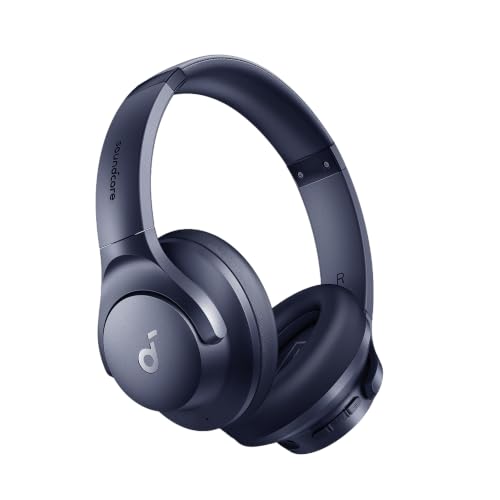
Soundcore Q20i Hybrid Active Noise Cancelling Headphones (Blue)

Soundcore Q20i Hybrid Active Noise Cancelling Headphones (Pink)

OneOdio Wired DJ Hi-Res Over-Ear Headphones (Black)

OneOdio Studio Monitor & Mixing DJ Headsets 50mm Drivers
Meet The Standout Selections
This is the entry point of the whole list, and it earns its spot honestly. A pair of 40mm drivers handles the stereo duties while passive isolation from the earcups keeps some ambient chatter out. For the price bracket, the sound signature leans warm rather than clinical, which suits pop, hip-hop, and podcasts more than critical mixing.
The headline number is battery life. Sixty-five hours between charges means you could stream a couple hours nightly and still forget where the cable lives. Students burning through lecture recordings or commuters who hate charging rituals tend to get the most out of that figure.
Why It Works Well
- Dual 40mm drivers deliver a spacious, roomy presentation for casual listening sessions.
- Roughly 65 hours of playtime translates to weeks of typical use per charge.
- Memory-protein foam cushions keep pressure off your ears during long wear.
- Noise isolation softens office hum without any electronics doing the work.
Things To Consider
- Passive isolation only, so loud train rumble still comes through.
- Foam pads can compress over months of daily use and may need gentle cleaning to stay fresh.
Who It Suits Best
First-time wireless buyers who want big-battery comfort without spending much.
A Better Fit Elsewhere
Listeners wanting real noise cancelling will prefer the Soundcore Q20i in Black instead.
Same family as the first pick, different priorities. This variant emphasizes how little it weighs: at roughly 0.44 pounds with a foldable hinge, it disappears into a backpack pocket. College students hauling gear between classes are the obvious crowd here.
The fit story matters too. Memory-protein earmuffs paired with an adjustable band spread clamping force evenly, so glasses wearers often report fewer hot spots than with stiffer budget cans. In our view, that comfort-to-weight ratio is this model’s real selling point, not raw sound quality.
Standout Benefits
- Folds flat and slips into tight bags, making dorm-to-library trips painless.
- About 0.44 lb on your head means less neck fatigue during all-day wear.
- Adjustable band accommodates different head shapes without pinching.
- Same generous multi-day battery life as its sibling above.
Worth Noting
- Lightweight construction usually means lighter-duty plastics, so handle the hinges gently.
- Sound tuning stays basic compared with the ANC models later in this list.
At A Glance
Made For
Students and commuters who value a foldable, featherlight pair over premium audio detail.
Where A Sibling Pick Shines
Home listeners who never leave the desk may find more value in the OneOdio Studio Monitor set below.
The third KVIDIO variant rounds out the trio with a low-latency angle. Latency, simply put, is the delay between what’s on screen and what hits your ears; lower numbers keep video lips synced with dialogue. Casual gamers and binge-watchers notice this most, and it’s the variant built with them in mind.
Under the cups you’ll find the same 40mm driver setup as pick one, tuned toward an open, live-feeling presentation. The honest read is that differences among these three come down to emphasis rather than quality tiers, so choose based on whether portability, price, or video sync matters most to you.
Positive Takeaways
- Low-latency output keeps movie dialogue and game audio aligned with visuals.
- Dual 40mm drivers give music a broad, concert-style sense of space.
- Plush over-ear padding suits marathon streaming weekends.
Small Caveats
- No active noise cancelling, so busy cafes remain audible.
- Owners commonly note the pads attract lint and benefit from occasional wiping.
Right Fit For
Video-first listeners and casual mobile gamers who want synced sound on a modest spend.
Consider Something Else When
Frequent flyers fighting engine drone should step up to the bmani hybrid ANC headphones instead.
Here’s where the list shifts from simple wireless to serious noise control. The bmani uses a four-microphone hybrid architecture: mics sample the room, a fast processing chip generates an inverted signal, and the two cancel out. The claimed result blocks up to 95% of steady background noise with reductions reaching 45dB, which is genuinely useful against airplane cabins and HVAC roar.
Add six ENC call microphones (ENC filters your voice from wind and traffic during calls), spatial audio processing, and a stated 120-hour playtime, and you have a travel-first package. Compared with the KVIDIO picks above, this one trades minimalism for capability.
The Value In It
- Four-stage hybrid ANC quiets engine hum and office chatter within milliseconds.
- Claimed 120-hour battery covers round-trip international flights many times over.
- Six ENC mics help callers hear you clearly on windy sidewalks.
- Bluetooth 6.0 support points to efficient, stable connections with modern phones.
- Hi-Res and spatial processing add width to well-mastered tracks.
Points To Note
- ANC performance varies by environment; sudden high-frequency noises still slip through.
- More features mean more touch controls to learn during the first week.
Feature Snapshot
Who Should Grab It
Commuters and frequent flyers who want maximum quiet and battery in one black-clad package.
Swap It Out When
Minimalist listeners who find feature-heavy controls fussy may prefer the simpler Soundcore Q20i in White.
Anker’s Soundcore line has become the default recommendation for affordable ANC, and the white Q20i shows why. Four microphones work together to filter steady background noise, which is exactly what open-plan offices and crowded buses throw at you daily. Note the fine print: that cancelling isn’t available when running wired through AUX-in.
The white finish stands out in a sea of black cans, though owners of light-colored headphones know they show scuffs sooner. Sound-wise, BassUp technology pushes low frequencies forward, and you can push further by plugging in. For desk workers, this colorway plus quiet equals an easy daily companion.
The Upside
- Hybrid four-mic system trims consistent office and transit noise effectively.
- BassUp mode adds punchy low end for bass-forward genres.
- Wired AUX fallback keeps the cans useful when the battery dies mid-flight.
- Bright white finish looks fresh and easy to spot in a bag.
Honest Caveats
- Noise cancelling switches off in AUX-in mode, so wired use loses that perk.
- Light finishes tend to show marks; a soft cloth wipe-down keeps them presentable.
Who Will Love This
Office professionals wanting a clean-looking, comfortable pair that hushes keyboard clatter.
Another Choice May Suit
Studio work demands accuracy over bass boost, pointing toward the OneOdio Wired DJ Hi-Res model instead.
The black Q20i is the same headphone as the white one above with the classic finish most people reach for first. Two internal and two external mics detect surrounding noise and reduce up to 90% of it, according to the manufacturer, with trains and offices called out as prime hunting grounds.
Oversized 40mm dynamic drivers handle playback, and BassUp again boosts the low end for commutes and gaming alike. If you’re torn among the four Q20i colors, the practical answer is simple: black hides wear best, which matters for something living in backpack pockets for years.
Where It Delivers
- Quad-mic hybrid design targets up to 90% of ambient noise reduction.
- Large 40mm drivers produce detailed mids under that boosted bass.
- Suits travel, commuting, and gaming without changing settings constantly.
- Black shell resists visible grime better than lighter variants.
Trade Offs
- Bass-forward tuning masks subtle detail in acoustic or classical material.
- Ear cushion surfaces collect oils over time and need periodic cleaning.
Quick Facts
Best Suited To
Everyday commuters who want dependable ANC, strong bass, and a finish that ages gracefully.
Reach For A Different Pick When
Wire-free convenience matters less than zero-latency studio monitoring, where the OneOdio Dark Blue set wins out.
Color is the whole decision here. The blue Q20i carries identical hardware to its siblings: four mics filtering background din, BassUp-driven lows, and a wired AUX option for dead-battery emergencies. Nothing about the circuitry changed, so this entry exists for people who’d rather their headphones look like a deliberate choice than office equipment.
You may find the blue tone reads slightly darker in person than product photos suggest, which is worth knowing before gifting. Performance expectations should mirror the black variant reviewed earlier, including the same caveat about noise cancelling disappearing in wired mode.
Everyday Perks
- Four-mic noise filtering keeps packed streets and offices from overwhelming your playlist.
- Deep, punchy bass via BassUp flatters electronic and hip-hop catalogs.
- Distinct blue finish doubles as a personal style statement.
Less Ideal Details
- Colored plastics can show scratches more readily than matte black.
- Identical internals mean no functional reason to pick this over cheaper-feeling siblings beyond aesthetics.
The Right Fit
Listeners who want proven Q20i performance in a color that doesn’t blend into every gym bag.
Not Your Match When
All-business travelers prioritizing maximum battery claims may lean toward the bmani 120-hour model.
Pink finishes sell steadily in this category, and this Q20i variant explains why: it takes a proven platform and makes it feel personal. Underneath, the familiar formula holds. Four microphones strip away steady background noise, BassUp fattens the low end wirelessly, and a wired connection remains as backup, minus the cancelling effect.
Gift-givers take note: matching a color to someone’s taste often lands better than spec sheets ever do. The honest trade-off is the same one facing every colored headphone here, namely that bright shells show handling marks faster than the black version does.
Practical Advantages
- Proven hybrid noise cancelling tames commutes and shared living spaces.
- BassUp delivers crisp highs alongside deep lows in wireless mode.
- Pink colorway makes an easy, well-received gift for style-conscious listeners.
- AUX-in support rescues you when charging slips your mind.
Things To Weigh Up
- Light pink surfaces demand regular wiping to look their best.
- Functionally identical to the black and blue variants already covered.
Built With In Mind
Students and gift shoppers who want friendly looks wrapped around serious noise cancelling.
Skip It When
Neutral aesthetics matter more; the black Q20i reviewed earlier fits professional settings better.
Batteries die; cables don’t. That’s the pitch behind this OneOdio, a Hi-Res certified wired pair aimed squarely at DJs, guitarists, and PC users who plug straight into interfaces and amps. Its 50mm drivers dwarf the 40mm units elsewhere on this list, moving more air for weightier bass and clearer vocal presence.
Neodymium magnets inside those drivers help convert signal into sound efficiently, which is why small amps drive them without strain. Compared with the wireless picks above, you lose noise cancelling and gain reliability, zero latency, and no charging anxiety. For anyone practicing keyboard late at night, that trade reads as a win.
Everyday Wins
- 50mm neodymium drivers deliver powerful bass with crisp, balanced highs.
- Wired design means instant pairing-free startup and no battery management.
- Soft padded cushions provide solid passive isolation for focused practice.
- Hi-Res certification signals detail retrieval beyond standard Bluetooth compression.
Room For Improvement
- Cables can snag on chair arms and mic stands during sessions.
- Owners commonly report the coiled cord needs untangling after storage.
Whose Shelf It Belongs On
Bedroom producers, DJs, and instrument players who want pro-style monitoring without wireless compromises.
Look Elsewhere When
Cable-free convenience tops your list; the KVIDIO 65-hour headset handles that role better.
Closing the list is the OneOdio’s more studio-oriented sibling, finished in dark blue and built around the same 50mm neodymium driver formula. What separates it is connectivity flexibility: a dual-jack arrangement spanning both 1/4-inch amp outputs and 3.5mm consumer devices, so one pair moves from mixer to laptop to podcast rig without adapters.
Mixing and monitoring demand honest sound rather than flattering sound, and the padded cushions seal passively against ambient noise to help you hear what’s actually recorded. Against the black OneOdio at position nine, choose this when your setup mixes pro and consumer gear regularly.
Useful Strengths
- 50mm neodymium drivers render dynamic bass suited to DJing and mixing work.
- Dual 1/4 to 3.5mm jacks connect amps, computers, and recording gear directly.
- Stretchable adjustable headband fits long sessions at the desk or deck.
- Sealed cushions aid accurate monitoring by limiting room bleed.
Potential Sticking Points
- Dark blue fabric surfaces hold dust and respond well to routine brushing.
- Wired-only operation rules out phone listening without the right adapter.
The Details
Who It Suits Best
Home studio owners and podcasters juggling multiple input sources across a single workspace.
Where Another Pick Suits Better
Listeners wanting untethered couch listening should pick the Soundcore Q20i in White instead.
Choosing Between These Headphones Without Regret
Fit And Comfort Come First
Spec sheets mean nothing if the cups pinch by hour two. Look at clamp force, pad material, and weight together: memory foam spreads pressure, while heavier builds concentrate it on your jaw. Glasses wearers should favor softer, deeper pads that seal around frames rather than pressing them into your temples.
Match The Tech To Your Environment
Noise cancelling shines against steady droning sounds like engines and air handlers, not sudden voices or clattering dishes. Quiet rooms rarely justify paying for it. Wired models sidestep latency entirely, which matters for video editing and instrument practice more than for podcast listening.
Battery Claims Versus Real Routines
A 120-hour rating sounds transformative until you realize 60 hours already covers most people’s week. Translate numbers into your habits: two hours nightly means even modest ratings stretch past a month. Frequent flyers benefit most from the biggest figures.
Key Considerations Across These Picks
Traps First Timers Fall Into
Chasing driver size alone misleads people; a well-tuned 40mm unit often outperforms a bloated 50mm one. Skipping the wired fallback is another common error, since batteries always seem to die mid-flight. Finally, ignoring pad maintenance shortens any headphone’s comfortable life.
Where The Extra Money Goes
Higher-tier models spend your money on microphone arrays, processing chips, and sturdier hinges rather than louder volume. Pay up when you fly weekly or take calls in wind; stay basic when listening happens at home in silence.
Frequently Asked Questions
Do over ear headphones sound better than earbuds for music?
Generally yes, because larger drivers move more air and create fuller bass. The sealed earcup also adds natural isolation that small buds struggle to match.
Is active noise cancelling worth it for home listening?
Usually not in a quiet house, since there’s little steady noise to cancel. It pays off in apartments near traffic or shared living spaces.
Can I use these wired headphones with my phone?
Models with a 3.5mm plug connect directly to phones retaining a headphone jack. Others need a USB-C or Lightning dongle adapter.
How long do headphone ear cushions typically last?
With daily use, foam and protein-leather pads commonly soften or flake within one to two years. Replacement pads extend life cheaply on popular models.
Does higher driver size guarantee better bass?
No, tuning and enclosure design matter as much as diameter. A 40mm driver with good acoustics can outperform a larger, poorly matched unit.
Closing Thoughts
The right pair depends less on specs and more on where your music actually happens. Commuters should weigh the bmani or a Soundcore Q20i, students get real value from the KVIDIO line, and anyone producing or practicing music belongs with OneOdio’s wired sets. Start with your environment, then narrow by comfort and features. Whichever you land on, your playlists will thank you.
