


Pc Gaming Laptops now span everything from lean entry builds to thick, high-output machines with sharper displays and faster GPUs. That range matters because your needs change fast, whether you game after work, carry the machine to class, or want something that can handle long sessions without feeling dated too soon.
Below, you get eight distinct takes with clear trade-offs. Some lean on value, some lean on speed, and a couple make sense only when you want a larger headroom for frame rates, screen quality, and multitasking.
The Shortlist At A Glance

ASUS ROG Strix G16 (2025) RTX 5060, i7, 16GB
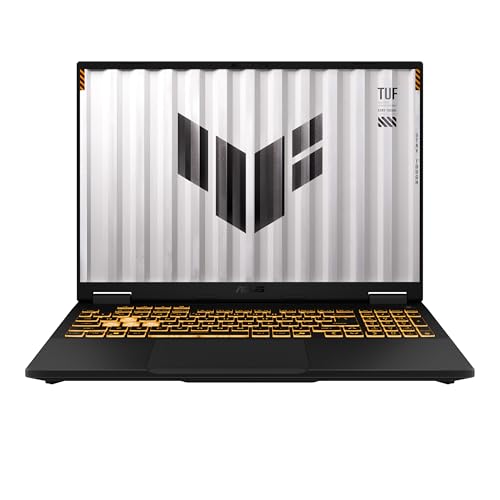
ASUS TUF Gaming F16 (2025) RTX 5050, i5, 16GB
ASUS ROG Strix G16 (2025) RTX 5070 Ti, Ultra 9, 32GB

Acer Nitro V Gaming Laptop RTX 4050, i5, 8GB

MSI Katana 15 HX RTX 5070, i9, 32GB

Acer Nitro V 16S AI RTX 5060, Ryzen 7, 32GB

Alienware 16 Aurora RTX 5050, Core 7 240H
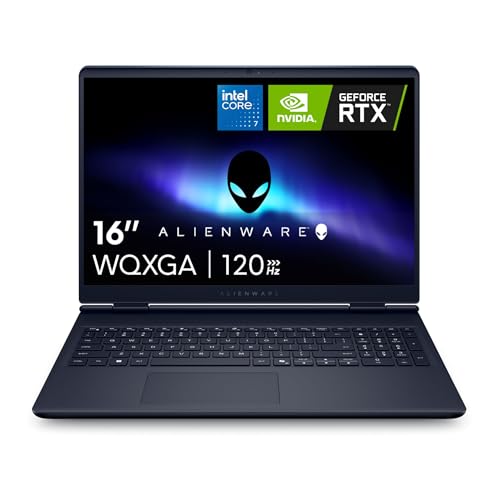
Alienware 16 Aurora RTX 5060, Core 7 240H
More Details On Our Top Picks
The Strix G16 sits in the useful middle ground: faster than starter rigs, but not as commitment-heavy as the higher-tier ASUS and MSI options. Its 16:10 165Hz panel gives you a taller workspace and smoother motion, which helps in competitive play and long desktop sessions alike.
Pair that with the Core i7-14650HX, RTX 5060, 16GB of DDR5 memory, and a 1TB Gen 4 SSD, and you get a machine that should suit mixed gaming and everyday multitasking without feeling cramped. The honest read is that this level makes sense for most people who want strong headroom without jumping to the bigger spend of the RTX 5070 Ti tier.
Strong Points
- 165Hz refresh with a 3ms response gives you smoother motion in fast games.
- 16:10 screen ratio leaves more vertical room for browsing, editing, and game menus.
- 1TB SSD storage gives you room for several large installs without immediate juggling.
- DDR5 memory suits heavier multitasking, especially with launchers, chat apps, and browsers open.
Minor Caveats
- The 16GB memory cap is fine for most gaming, though power users may want more later.
- Cooling on gaming laptops can take up desk space and needs periodic dust care.
- The RTX 5060 tier is capable, but it does not carry the same headroom as the RTX 5070 Ti models here.
Feature Rundown
Who It Suits Best
You get the most from this model when you want a strong all-round gaming laptop for home use, dorm use, or a desk that also handles school or work.
Where A Sibling Pick Shines
ASUS ROG Strix G16 (2025) RTX 5070 Ti, Ultra 9, 32GB suits you better when you want more headroom for heavier creative work and higher settings.
The TUF F16 trims the spec sheet in the right places for a more approachable entry point. Compared with the Strix G16 above, you give up some processing and graphics headroom, but you still keep the same 16-inch, 165Hz, 16:10 display shape that makes gaming feel responsive.
That makes this a sensible desk-and-bedroom machine for someone who wants modern design, Windows 11 Home, and enough muscle for mainstream titles without paying for extra power you may never use. Nothing flashy here, and that’s fine, because the parts list stays practical.
What We Like
- FHD+ 165Hz panel gives you fluid motion for competitive games and quick scrolling.
- The Core i5-13450HX keeps everyday system responsiveness respectable.
- RTX 5050 graphics are a solid step above basic integrated graphics and older entry chips.
- 16GB of DDR5 memory helps the system stay comfortable with multiple apps open.
Points To Note
- The 512GB SSD fills faster once your library starts growing.
- The RTX 5050 tier fits mainstream play better than high-setting 1440p ambitions.
- Plastic-heavy gaming shells often show fingerprints, so regular wiping helps the finish stay tidy.
Core Details
Built With In Mind
You fit this model best when you want a straightforward gaming laptop for school, streaming, and casual to moderate play.
Another Choice May Suit
Acer Nitro V Gaming Laptop RTX 4050, i5, 8GB suits tighter budgets better, especially for someone who can live with a smaller spec base.
This Strix sits at the sharp end of the list, and the difference shows in the display first. A 2.5K ROG Nebula panel at 240Hz with a 3ms response gives you more detail and more speed than the 165Hz FHD+ machines above, which matters once your games or creative apps start asking more from the screen.
The Core Ultra 9 275HX, RTX 5070 Ti, 32GB of DDR5, and 1TB SSD make it a serious upper-tier pick for gaming plus heavier workloads. For long sessions, the trade-off is the obvious one, higher output usually means more cost and a larger appetite for cooling.
Highlights
- 2.5K resolution gives you a sharper image than the FHD+ models in this roundup.
- 240Hz refresh and 3ms response help fast motion stay clean and controlled.
- 32GB of memory gives you room for large games, launchers, and creative tools at once.
- The RTX 5070 Ti tier supports a stronger ceiling for demanding titles and heavier multitasking.
- Wi-Fi 7 is useful in a modern home network, especially for crowded wireless setups.
Softer Spots
- This is a more expensive class of machine, so the spec jump only makes sense for more demanding use.
- Higher-output gaming laptops usually ask for more desk space and a more careful cooling setup.
- The extra power is easy to appreciate, though not every game or user will need this much headroom.
At A Glance
Who Will Love This
You get the most from this model when you want premium gaming performance and a sharper panel for content work too.
Look Elsewhere When
ASUS ROG Strix G16 (2025) RTX 5060, i7, 16GB is the better fit for you when strong performance matters more than top-tier display speed.
The Nitro V is the straightforward entry in this group, and the stripped-back memory tells you exactly where it saves cost. With an RTX 4050, an i5-13420H, and a 165Hz FHD panel, it gives you a real gaming shape without asking for premium money.
That said, 8GB of DDR5 is the part that will feel tight first, especially once you keep a browser, launcher, and chat app open together. For someone starting out, that compromise is understandable, but the better long-term fit sits with the 16GB or 32GB machines above.
Upsides
- RTX 4050 graphics get you into modern gaming without jumping to a larger budget tier.
- 165Hz refresh keeps the display feeling lively in fast scenes.
- The 15.6-inch size makes it easier to place on a smaller desk or carry in a basic backpack.
Room For Improvement
- 8GB memory is the main limit, and many current games feel better with more headroom.
- 512GB storage can fill quickly once you install several large titles.
- Backlit keyboards are helpful in dim rooms, though they also add another surface that needs occasional cleaning.
Right Fit For
You fit this laptop best when you want a plain, workable way into PC gaming and accept a few entry-level compromises.
Where A Sibling Pick Shines
ASUS TUF Gaming F16 (2025) RTX 5050, i5, 16GB is the smarter step up for anyone who wants more memory and a more comfortable buffer.
The Katana 15 HX brings a very desktop-like parts mix to a 15.6-inch frame. The Core i9-14900HX, RTX 5070, 32GB of DDR5, and 1TB NVMe SSD are all aimed at people who want strong frame rates and fast loading without stepping into a larger chassis.
Its QHD+ 165Hz screen gives you a sharper canvas than the FHD+ Acer and ASUS midrange models, which helps when you care about detail as much as speed. The compromise is that this kind of spec stack makes the machine more intense to cool, so it suits a more anchored desk setup than constant lap use.
Best Bits
- QHD+ resolution gives you more detail than standard Full HD panels.
- 165Hz refresh keeps fast games feeling responsive.
- 32GB memory supports heavy multitasking and larger creative workloads.
- 1TB NVMe SSD gives you solid room for game installs and project files.
Areas To Watch
- A higher-output CPU and GPU usually mean more heat and fan activity under load.
- QHD+ gaming asks more of the GPU than 1080p, so not every title will run with the same ease.
- The darker all-black shell can show smudges, so it benefits from regular wiping.
Technical Sheet
Perfect Match For
You fit this MSI best when you want strong hardware in a compact-ish form and plan to game mostly from a desk.
Swap It Out When
ASUS ROG Strix G16 (2025) RTX 5070 Ti, Ultra 9, 32GB is the better fit for you when you want a faster display and a higher-tier graphics ceiling.
The Nitro V 16S stands out for blending a gaming-grade parts list with a more portable shape than the heavier 15.6-inch and 16-inch competitors above. A 16-inch WUXGA IPS panel at 180Hz gives you a slightly taller workspace and a faster refresh than the 165Hz entry models.
With a Ryzen 7 260, RTX 5060, 32GB of DDR5, and 1TB of Gen 4 storage, it lands in a comfortable sweet spot for someone who wants to carry one laptop for play, school, and everyday work. You may find the moving-travel angle matters more here than raw bragging rights, and that’s the point.
Reasons To Buy
- 32GB of memory gives you extra breathing room for gaming, tabs, and background apps.
- 180Hz refresh is a nice step up for fast motion and scroll feel.
- 16-inch WUXGA format offers a useful middle ground between portability and screen space.
- 1TB SSD reduces the need to manage installs aggressively.
Trade Offs
- WUXGA is less sharp than the 2.5K QHD+ panel on the higher-end ASUS and MSI picks.
- Wi-Fi 6 keeps it current enough, though it trails the Wi-Fi 7 model above.
- Slim gaming designs tend to need cleaner vents, so a soft brush and regular dust care help.
The Right Fit
You fit this Acer best when you want a machine that can move between a backpack, classroom, and desk without feeling overbuilt.
Where Shoppers Go Wrong
ASUS TUF Gaming F16 (2025) RTX 5050, i5, 16GB makes more sense when the purchase focus is mostly cost control rather than higher memory and faster graphics.
The Aurora leans into a cleaner, more restrained look than most gaming laptops in this list. Its anodized aluminum lid and 16-inch WQXGA screen at 120Hz and 300 nits brightness give it a more polished desk presence, which stands apart from the busier ASUS and Acer designs.
The RTX 5050 and Core 7 240H make it a practical gaming machine first, with the premium feel doing as much work as the parts list. In a shared office or a living-room setup, that quieter exterior can matter more than a louder gamer shell.
Positives
- The aluminum lid gives the chassis a more finished feel than the plastic-heavy alternatives.
- WQXGA resolution sharpens text and game detail.
- 300 nits brightness helps the display hold up better in bright rooms.
- 120Hz is enough for smooth casual play and general desktop use.
Things To Consider
- 120Hz is slower than the 165Hz and 240Hz screens elsewhere in this roundup.
- The RTX 5050 sits below the RTX 5060 and RTX 5070 tier machines here.
- A polished metal finish tends to show fingerprints, so a cloth nearby helps.
Who Should Grab It
You suit this Alienware best when you want a stylish gaming laptop that can double as a cleaner-looking everyday machine.
A Better Fit Elsewhere
Alienware 16 Aurora RTX 5060, Core 7 240H is the smarter call for you when you want more graphics headroom from the same general design.
This Aurora is the better-balanced Alienware in the pair because the RTX 5060 gives you more breathing room than the RTX 5050 version above. The 16-inch WQXGA display and Core 7 240H keep the machine in a clean, modern lane without drifting into the oversized feel some gaming rigs bring with them.
For gaming at higher settings, the extra graphics step matters more than the cosmetic difference, and that’s the central reason to look here. It suits you best when you want a premium-looking laptop that still has enough output to feel current for a while.
What We Like
- RTX 5060 graphics give you a meaningful step up from the nearby RTX 5050 Alienware.
- WQXGA resolution keeps the display crisp for games and everyday work.
- The 16-inch size lands in a practical middle ground for desk use.
- Core 7 240H supports daily responsiveness and routine gaming workloads.
Worth Noting
- The 120Hz panel is smooth enough, though it trails the faster ASUS and MSI alternatives.
- Premium styling can be a plus, but it also means you may want to keep the lid clean.
- It makes the most sense for people who value design and balance over raw spec extremes.
Who It Suits Best
You fit this model best when you want a polished machine with stronger graphics than the base Aurora and enough screen quality for daily use.
Not Your Match When
ASUS ROG Strix G16 (2025) RTX 5070 Ti, Ultra 9, 32GB fits better for you when maximum gaming headroom matters more than a cleaner industrial look.
What Matters Most Before You Choose A Pc Gaming Laptop
Mistakes Worth Dodging
Screen speed is easy to notice, but memory and storage shape the experience just as much. A 512GB drive fills quickly, and 8GB memory can feel cramped long before the GPU does.
The Case For Spending Up
Higher-tier machines usually pay for larger GPUs, faster displays, and more memory. That extra money makes sense when you keep a laptop for years, play demanding titles, or want one system to handle both gaming and heavier work.
Frequently Asked Questions
What Screen Spec Matters Most For Gaming?
Refresh rate matters most for motion smoothness, especially in fast titles. Resolution matters too, but only when the GPU can keep pace.
Is 8GB Of Memory Enough?
It works for entry use, but you’ll feel the limit sooner with modern games and multitasking. 16GB is the safer floor for most gaming setups.
Do You Need A 1TB SSD?
You do not need it on day one, but larger games fill smaller drives quickly. A 1TB SSD gives you more breathing room and less file shuffling.
Why Pick RTX 5060 Over RTX 5050?
RTX 5060 models usually give you more graphics headroom and a smoother path into higher settings. The RTX 5050 tier makes more sense when budget matters more than long-term cushion.
Is A 240Hz Screen Worth It?
It makes the most sense for fast-paced play and for people who notice very smooth motion. For more casual gaming, 165Hz already feels solid.
