


A good headset does more than carry game audio. It keeps teammates audible during a clutch round, blocks out a noisy household, and stays comfortable through the third hour of play. Whether you’re grinding ranked matches after work or settling into weekend co-op sessions, the wrong headset shows up fast: sweaty ears, muddy footsteps, a mic your friends keep complaining about.
This roundup covers ten options that solve those problems in different ways, from budget wired workhorses to wireless models built around competitive clarity. Some favor esports-style sound isolation, others lean into RGB flair or cross-platform flexibility. Match the pick to how you actually play, and you’ll notice the difference within your first session.
Your Options, Compared

Razer BlackShark V3 X HyperSpeed Wireless PC Gaming Headset

HyperX Cloud III Wired Gaming Headset (Black)

Logitech G522 Lightspeed Wireless Gaming Headset

Razer BlackShark V2 X Gaming Headset (Black)

Razer BlackShark V2 X Gaming Headset (Green)

Razer BlackShark V2 X Gaming Headset (Quartz Pink)

Razer BlackShark V2 X Gaming Headset SE White

Razer BlackShark V2 X Gaming Headset White
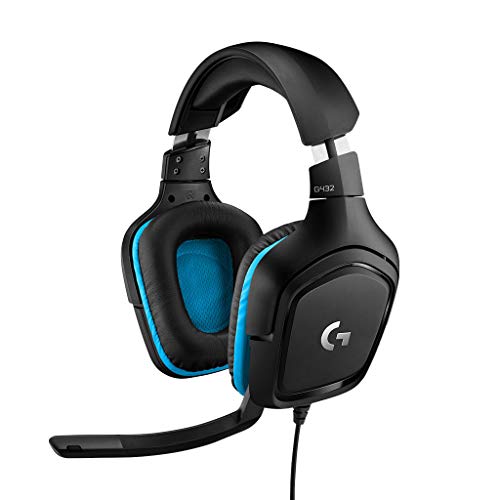
Logitech G432 Wired Gaming Headset

Razer BlackShark V3 X HyperSpeed Wireless PS5 Headset
What Each Pick Brings To The Table
Losing a duel because of a tangled cable is a special kind of frustration, and this headset removes it entirely. Razer’s TriForce 50mm Gen-2 drivers split highs, mids, and lows into separate channels, which is why footsteps and reload clicks land with unusual precision. In ranked shooters, that separation is the whole point.
The HyperSpeed wireless connection keeps latency low enough that most players won’t feel a delay between what they see and hear. For anyone who leans back from the desk mid-match or plays on a couch-side PC setup, that freedom changes how comfortably you game.
The Value In It
- TriForce 50mm Gen-2 drivers separate frequency bands, making positional cues like enemy steps easier to read
- HyperSpeed wireless cuts the cord without the lag penalty that once made wireless a compromise
- No cable snagging on chair arms or desk edges during intense sessions
- Clear, detailed tuning suits both competitive play and single-player story games
Things To Consider
- You’ll need to keep it charged, and owners commonly report remembering mid-session is the hardest part of wireless ownership
- Wireless adds cost over comparable wired models like the BlackShark V2 X
Key Specs
Who It Suits Best
Dedicated PC players who compete regularly and want cable-free movement without giving up competitive-grade audio detail.
A Better Fit Elsewhere
Players who mostly game at one desk and hate charging routines will get nearly identical sound from the cheaper Razer BlackShark V2 X (Black).
Where the Razer BlackShark line chases competitive edge, the Cloud III chases endurance. Signature memory foam fills both the headband and ear cushions, and that’s the detail that matters most around hour five of a raid night. Your ears shouldn’t be the reason you log off early.
Inside sit retuned 53mm drivers mounted at an angle, a small engineering choice that aims sound more directly at your ear canal for a cleaner listening experience. Connectivity is unusually generous too: USB-C, USB-A, and 3.5mm jacks cover PC, PS5, and Xbox Series X|S without adapters.
A Favorable Mix
- Memory foam headband and earcups distribute weight, easing pressure points during long sessions
- Angled 53mm drivers deliver spatial audio with a wider sense of direction than flat-mounted designs
- A durable frame survives being tossed in a backpack between LAN nights
- Three connection types mean one headset serves every console in the house
- An upgraded 10mm mic captures voice clearly enough that teammates stop asking you to repeat yourself
Small Caveats
- Memory foam ear cushions collect oils over time and benefit from an occasional wipe-down to stay fresh
- Being wired means managing a cable if your desk sits far from your console
Made For
Players who log marathon sessions across multiple platforms and rank comfort above flashy extras.
Swap It Out When
If cutting the cord matters more than cushioning, the Razer BlackShark V3 X HyperSpeed Wireless offers similar clarity without cables.
Some headsets treat lighting as an afterthought; the G522 treats it as part of the design. Side-facing LIGHTSYNC RGB runs across eight customizable zones, so your setup glows in sync with the rest of your Logitech gear. It’s aimed squarely at players who care how their rig looks on camera as much as how it sounds in-game.
Performance credentials hold up alongside the looks. Lightspeed wireless keeps input lag low for competitive play, and the lightweight build means the extra electronics don’t turn into neck fatigue. Streamers and content creators get the most obvious payoff here.
Features That Help
- Eight-zone LIGHTSYNC RGB lets you match lighting to your keyboard and mouse ecosystem
- Lightspeed wireless delivers low-latency audio suitable for fast-paced PC titles
- A lightweight chassis keeps extended wear comfortable despite packed-in features
- Sleek side-facing design photographs well on streams and desk tours
Points To Note
- RGB zones drain battery faster when left at full brightness, so dimming them stretches play time
- The styling-first approach costs more than plainer wired picks like the Logitech G432
Quick Facts
Right Fit For
Streamers and style-conscious PC players building a coordinated RGB setup who still want serious wireless performance.
Consider Something Else When
Pure comfort seekers should look at the HyperX Cloud III instead, whose memory foam build prioritizes feel over flash.
This is the headset many competitive players start with, and plenty never feel the need to move past it. An aviation-style frame wraps closed earcups fully around your ears, blocking room noise passively rather than electronically. In a shared apartment or a living room with the TV going, that isolation earns its keep every session.
Under the cushions are 50mm drivers tuned for 7.1 surround, which simulates directional audio so you can place sounds around you in supported games. Memory foam padding keeps the fit pleasant, and a single 3.5mm jack works across PC, PS4, PS5, and Switch.
A Strong Showing
- Closed earcup design provides passive noise isolation, muting household distractions without batteries
- 7.1 surround sound sharpens positional awareness in supported titles
- Memory foam cushions stay comfortable through multi-hour play
- One 3.5mm plug covers PC, PlayStation, and Switch, simplifying a mixed-device life
Trade Offs
- Surround processing requires software support on some platforms, so console users may see simpler stereo output
- Faux-leather-style earcup surfaces can warm up in hot rooms compared with fabric alternatives
At A Glance
Best Suited To
Budget-minded competitive players who want esports-style isolation and surround cues without paying for wireless extras.
Another Choice May Suit
Anyone tired of cables should step up to the Razer BlackShark V3 X HyperSpeed Wireless, which keeps the same tuning philosophy minus the wire.
Same bones as the black V2 X reviewed above, dressed in the classic green that pairs naturally with Xbox-flavored setups. Underneath the color swap, nothing changes: 3.5mm connectivity, closed aviation-style cups, and the same passive noise isolation that makes this family such a dependable value.
That predictability is honestly its selling point. You know exactly what you’re getting, and the green shell just happens to look sharper next to a matching controller. Owners commonly report the finish holds up well to daily handling, though like any matte plastic it shows fingerprints until wiped.
Noteworthy Benefits
- Identical esports-focused audio hardware as the black version, including strong passive isolation
- Green colorway coordinates with Xbox controllers and themed desks
- Simple 3.5mm hookup means no software, no charging, no fuss
Softer Spots
- Lacks the 7.1 surround labeling of some siblings in this lineup, so check platform support before buying
- Color choice limits resale appeal compared with neutral finishes
Whose Shelf It Belongs On
Xbox-centric players and fans of the classic green aesthetic who want proven V2 X performance in a livelier color.
Reach For A Different Pick When
White-desk builders will prefer the Razer BlackShark V2 X White variant, which suits lighter setups better visually.
Quartz Pink might be the most photogenic version of the V2 X family, and it’s become a fixture in pastel-themed battlestation builds. Performance mirrors the rest of the lineup: 50mm drivers, closed isolating cups, and a 3.5mm jack that plays nicely with PS5 and PC alike.
In practice, you’re trading nothing for the color. The same aviation-inspired frame and cushioned fit carry over, so pink here is purely a preference call rather than a downgrade. One honest note: light-colored plastics tend to show scuffs and makeup transfer sooner than black versions, so occasional cleaning keeps it looking fresh.
Where It Excels
- Quartz Pink finish stands out among the sea of black gaming peripherals
- Retains the full V2 X package of 50mm drivers and passive noise isolation
- Single-cable setup works across PS5, PC, and other 3.5mm devices
Less Ideal Details
- Light shells show wear marks more readily than darker variants, per common owner feedback
- Identical internals mean no functional reason to choose it over cheaper black stock
The Right Fit
Players curating a color-coordinated desk setup who want proven competitive audio in a distinctive finish.
Not Your Match When
Pragmatists indifferent to aesthetics save money with the standard Razer BlackShark V2 X Black edition.
First proper gaming headset? This Special Edition white variant is about as painless an entry point as exists. Plug the 3.5mm cable into your PC, adjust the band, and you’re in a match two minutes later. No dongles, no pairing screens, no driver downloads standing between you and voice chat.
The SE trim carries the family’s TriForce-style 50mm driver approach, dividing the speaker into separately tuned sections for cleaner highs and mids. For someone still learning what good positional audio sounds like, that clarity makes a genuine difference in how quickly you learn map awareness.
The Practical Payoff
- True plug-and-play via 3.5mm, ideal for anyone intimidated by wireless pairing
- Segmented 50mm driver design renders footsteps and voices distinctly
- White finish complements popular white-PC and white-desk builds
Honest Caveats
- White surfaces demand more frequent wiping to stay pristine, especially around ear contact areas
- Wired-only design ties you to your device’s jack location
Who Should Grab It
Students and first-time gaming headset shoppers who want quality sound with zero setup complexity.
Look Elsewhere When
Growing players wanting room to customize later will appreciate the Logitech G522’s software-driven RGB and wireless freedom instead.
This white variant splits the difference between the SE model above and the black original. It carries the 7.1 surround processing that the SE omits, adding simulated positional depth in supported PC titles, while keeping the same clean white shell that fits modern minimalist setups.
For households where one headset bounces between a PS5 and a family PC, the universal 3.5mm jack removes friction entirely. Nothing to charge, nothing to re-pair each time you switch rooms. The trade-off, as with every V2 X, is that you’re still tethered by cable length, so couch-distance console play gets awkward.
What Helps Most
- 7.1 surround support heightens positional awareness in compatible games
- White finish suits bright, minimal desk arrangements
- Effortless swapping between PS5 and PC thanks to a single analog connection
- Closed cup construction dampens background household noise passively
Details To Watch
- Surround features depend on platform software support, so results vary by device
- Like all light-colored headsets, earcup areas need regular cleaning to avoid discoloration
Who Will Love This
Multi-device households sharing one headset across PS5 and PC, particularly in white-themed spaces.
Where A Sibling Pick Shines
Competitive players chasing maximum positional precision on a tight budget may find the black V2 X’s identical hardware more economical.
Long before premium wireless headsets crowded this category, the G432 earned a reputation as the sensible starter pick, and it still holds that ground. Big 50mm drivers push out a full-bodied sound, while DTS Headphone:X 2.0 surround processing builds a precise virtual soundstage so rear-channel cues register convincingly.
Compared against the Razer V2 X models in this list, the G432 leans warmer and bass-heavier, which suits cinematic single-player games more than twitchy arena shooters. That character split matters: neither is wrong, they just reward different tastes.
What Pays Off
- Large 50mm drivers deliver big, immersive sound for the price bracket
- DTS Headphone:X 2.0 creates convincing positional audio for hearing flanks and aerial cues
- Proven long-term reliability, with many owners reporting years of daily use
Potential Sticking Points
- Bass-forward tuning can blur subtle footstep detail in highly competitive shooters
- Older design lacks modern touches like USB-C or wireless options
The Numbers That Matter
Built With In Mind
Students and casual players upgrading from earbuds who want genuine surround immersion without stretching their budget.
Skip It When
Tactical shooter regulars prioritizing crisp footstep separation will likely prefer the Razer BlackShark V2 X’s brighter competitive tuning.
Console players finally get the V3 X treatment, and it arrives in a white shell that matches the PS5’s own design language perfectly. The Gen-2 TriForce 50mm drivers bring the improved soundstage from the PC version, widening the space between audio cues so footsteps register with direction as well as distance.
The detachable HyperClear cardioid mic deserves specific mention. A cardioid pattern picks up sound from directly in front while rejecting noise from the sides, meaning less keyboard clatter bleeding into your squad’s ears. Detachability also turns this into a decent pair of headphones for solo media sessions.
What Makes Sense
- TriForce 50mm Gen-2 drivers widen the soundstage for clearer positional reads
- Detachable HyperClear cardioid 9.9mm mic captures voice while rejecting side noise
- White styling coordinates naturally with PS5 hardware
- Removing the mic converts it into everyday headphones
Things To Weigh Up
- Wireless operation means charging becomes part of your routine
- Console-focused tuning offers less crossover value for dedicated PC players than the PC-native sibling
Core Details
Perfect Match For
PS5 owners ready to leave wired headsets behind and invest in console-tuned wireless competitive audio.
Where Another Pick Suits Better
PC-first players should grab the Razer BlackShark V3 X HyperSpeed Wireless PC edition, which targets their platform natively.
What Matters Most Before Choosing Pc Headsets For Gaming
Wired Or Wireless First
Start with your seating distance. A headset plugged straight into your machine never needs charging and usually costs less, which is why desk-bound players rarely regret going wired. Wireless pays off once you lean back, pace during calls, or share the couch with a console.
Latency concerns that plagued older wireless gear have largely faded with modern links like HyperSpeed and Lightspeed. The real ongoing cost is battery discipline rather than performance.
Driver Size And Sound Tuning
Driver size describes the speaker diameter inside each earcup, and bigger generally means fuller bass. But tuning matters more than raw millimeters: Razer’s segmented TriForce design separates frequency bands for sharper footsteps, while Logitech’s DTS-processed sets favor cinematic warmth.
Match the signature to your genre. Competitive shooters reward bright, detailed mids and highs; story-driven RPGs benefit from richer low end.
Comfort For Your Session Length
An hour of play hides flaws that four hours exposes. Memory foam in the headband and earcups, like HyperX’s signature padding, spreads pressure instead of concentrating it on your skull’s crown. Weight matters too, since heavier wireless builds with big batteries fatigue your neck sooner.
Glasses wearers should prioritize softer, plusher cushions that seal without pressing frames into your temples.
Mic Quality And Platform Fit
Your teammates judge your headset by your microphone first. Cardioid patterns capture your voice while rejecting keyboard noise, and detachable booms add flexibility for media use. Check connection compatibility before checkout: a 3.5mm jack travels everywhere, while wireless dongles lock you to specific platforms.
Key Considerations Across These Picks
Traps First Timers Fall Into
The classic mistake is buying for looks alone, then discovering the tuning doesn’t suit your main genre. Another common slip is ignoring connection type: a wireless-only headset paired with a device lacking its dongle support leads straight to returns. Read the platform list carefully before committing.
The Case For Spending Up
Higher-tier models justify their price through wireless convenience, refined driver designs, and software ecosystems. The jump from a basic wired set to something like the V3 X buys you freedom of movement and noticeably cleaner positional audio. Casual players won’t feel that gap daily; competitive ones will.
Frequently Asked Questions
Are wired gaming headsets still worth buying?
Absolutely, especially for desk-based play where cables cause little trouble. They skip charging entirely and typically deliver equivalent audio for less money.
Do 50mm drivers really make a difference?
Larger drivers move more air, producing deeper bass and fuller overall sound. Tuning quality still determines whether that potential translates into useful in-game detail.
Can one headset work across PC and consoles?
Models with a 3.5mm jack, like the HyperX Cloud III, connect to nearly anything with a headphone port. Wireless sets usually bind to specific platforms through their included dongles.
How important is a detachable microphone?
It doubles the headset’s usefulness, turning a gaming tool into ordinary headphones for music or travel. It also removes a breakable boom arm from harm’s way when not needed.
What causes ear discomfort during long sessions?
Pressure concentration, heat buildup, and heavy clamping force are the usual culprits. Memory foam cushions and a well-balanced headband address most of it.
Bottom Line
Your ideal pick depends on where and how you play. Desk-bound competitors get tremendous value from the Razer BlackShark V2 X family, while marathon players should put the HyperX Cloud III’s memory foam at the top of their list. Console owners craving wireless freedom have the V3 X HyperSpeed waiting. Whichever route you take, prioritize comfort and mic clarity first, since those shape every single session more than any spec sheet ever will.
