


A mic headset sounds simple until you’re mid-meeting with a mic that clips every word, or deep in a match unable to hear footsteps. The right one disappears on your head and just works, call after call, session after session. This roundup covers ten options across wired, wireless, gaming, and office use, so you can match the pick to how you actually spend your screen time. Some are built for long Zoom shifts, others for low-latency play, and a few do both reasonably well without stretching your budget.
The Choices Worth Comparing

Amazon Basics On-Ear Wired Computer Headset (Black)

Ozeino 2.4GHz Wireless Gaming Headset with Flip Mic, RGB Light

Ozeino 2.4GHz Wireless Gaming Headset with Microphone, RGB Lighting
Ozeino 2.4GHz Wireless Gaming Headset with Flip Mic, USB-A & USB-C

Razer Kraken V4 X Wired USB-C Gaming Headset (Black)

Razer BlackShark V3 X HyperSpeed Wireless Gaming Headset (Black)

Wireless Bluetooth Headset with Mic for Work
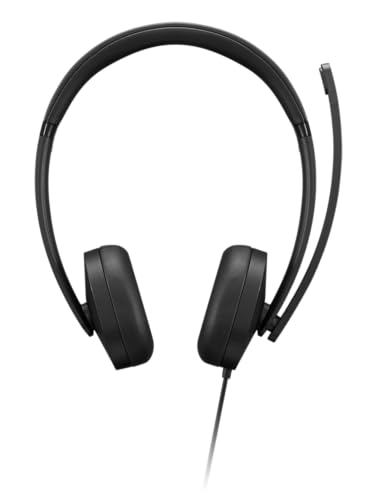
Lenovo USB-A Wired Stereo Headset for PC/Laptop

Razer BlackShark V2 X Gaming Headset, 50mm Drivers (Black)

Razer BlackShark V2 X Gaming Headset (Green)
Inside Each Recommended Option
This is the no-drama option of the list. It plugs into either a 3.5mm port or a USB-A connection through inline controls, folds flat for storage, and keeps the whole thing light enough to forget you’re wearing it during a two-hour lecture.
The adjustable microphone boom sits close to your mouth, which matters more than driver size for voice clarity. On-ear cups run snug at first, so expect a short break-in stretch over the first week or so of daily wear.
Practical Pluses
- Dual connectivity means it works with older laptops and modern desktops alike.
- Foldable frame tucks into a backpack drawer between classes.
- Adjustable mic arm lets you fine-tune voice pickup position.
Things To Consider
- On-ear pressure can feel firm until the pads settle in with regular use.
- No wireless freedom, obviously, so cable management is part of the deal.
Who It Suits Best
Students and casual callers who want dependable voice chat without spending much.
Reach For A Different Pick When
Gamers wanting richer sound should look at the Razer BlackShark V2 X instead.
Wireless headsets live or die by latency, and this Ozeino uses a 2.4GHz connection (a dedicated radio link, faster than Bluetooth) to keep delay under 30 milliseconds. That’s quick enough that footsteps and reloads land when they should, not a beat late.
A 40-hour battery covers most of a week’s gaming, and the flip-to-mute mic means you can silence yourself mid-sentence without hunting for a button. Compared with the wired Razer picks later in this list, you trade some raw fidelity for cable-free convenience.
What Helps Most
- Sub-30ms wireless lag keeps competitive timing honest.
- 40-hour battery outlasts several long sessions per charge.
- Flip mic doubles as an instant mute switch.
- RGB lighting adds personality to a desk setup.
Worth Noting
- You’ll need to keep the transmitter plugged into a free port at all times.
- Battery cells age over years, so charging habits affect long-term runtime.
At A Glance
Made For
Console and PC players who hate cables but refuse to sacrifice reaction time.
Where A Sibling Pick Shines
Office workers taking calls all day will prefer the lighter Lenovo USB-A wired headset.
Think of this as the sibling to the previous Ozeino with a slightly different balance. Battery life drops from 40 hours to around 30, but you gain a 50mm driver, which is the speaker inside each earcup and large enough to give bass real weight in shooters and RPGs.
The onboard button layout handles volume, mute, call answering, track skipping, and even toggling the lights without touching software menus. For story-driven games where atmosphere matters as much as accuracy, that combination lands nicely.
What It Does Well
- Large 50mm drivers deliver fuller, more immersive game audio.
- All key controls sit on the earcup for mid-game adjustments.
- USB and Type-C transmitter options cover newer laptops too.
Small Caveats
- Shorter battery than its 40-hour stablemate above.
- RGB lighting drains charge faster than running lights off.
Right Fit For
Players who prioritize rich sound and tactile controls over maximum runtime.
Swap It Out When
Marathon weekend sessions favor the 40-hour Ozeino flip-mic model reviewed earlier.
Here’s the third Ozeino variant, and the difference comes down to ports. Both USB-A and USB-C transmitters ship in the box, so the same headset hops between a PS5, a MacBook, and a phone without adapter shopping.
Spec-wise it mirrors the earlier flip-mic model: sub-30ms latency over 2.4GHz, roughly 40 hours of battery, and a mic that flips up to mute. The honest read is that most households only need one of these three; this version earns its spot for people juggling mixed devices daily.
A Few Strong Suits
- Two transmitter types included, covering old and new hardware.
- Flip-to-mute mic simplifies voice control during chaotic matches.
- Long battery suits dorm rooms where outlets are scarce.
Potential Sticking Points
- Carrying two dongles invites losing one in a drawer.
- Plastic construction feels less premium than pricier rivals.
Who Should Grab It
Multi-device players splitting time between console, laptop, and mobile gaming.
Consider Something Else When
Single-platform PC competitors get sharper tuning from the Kraken V4 X below.
Razer’s TriForce driver design splits highs, mids, and lows into separate zones inside each 40mm driver, so explosions don’t smother dialogue. It’s a subtle engineering choice that shows up clearly in games with busy soundscapes.
The HyperClear cardioid microphone retracts into the earcup, picking up your voice while rejecting keyboard clatter from the sides. Cardioid, briefly, means it listens mostly from the front. Wired USB-C power means zero battery anxiety, though you’ll feel the cable during big movements.
Useful Strengths
- Three-part driver separation keeps layered audio clean and distinct.
- Retractable mic protects itself when stowed and positions precisely.
- USB-C plus Type-A support fits desktops and newer laptops.
Points To Note
- Wired only, so couch distance from the screen is limited by cable length.
- Retracting the mic repeatedly is one more moving part to wear over time.
Quick Facts
Who Will Love This
Desktop-bound competitive players who value consistent audio over wireless freedom.
Not Your Match When
Cable-haters should step up to the wireless BlackShark V3 X HyperSpeed next door.
This is where the list steps up in price and capability. HyperSpeed is Razer’s low-latency wireless protocol, and paired with second-generation TriForce 50mm drivers, it delivers the kind of positional precision where a footstep behind you genuinely sounds like it’s behind you.
Against the budget Ozeino models, you’re paying for tighter tuning and a more mature build rather than raw spec-sheet numbers. In our view, that premium makes sense mainly for players who compete regularly and can hear the difference in ranked matches.
Everyday Advantages
- Gen-2 TriForce 50mm drivers resolve subtle directional cues.
- HyperSpeed wireless avoids both lag and cable drag.
- Clear, detailed signature helps communication-heavy team games.
Honest Caveats
- Costs noticeably more than the wired alternatives here.
- Wireless means remembering to charge before long sessions.
The Numbers That Matter
Best Suited To
Ranked-ladder players who treat audio cues as information, not background noise.
Another Choice May Suit
Casual gamers get nearly everything they need from the far cheaper BlackShark V2 X.
Weight is the headline here: about 2.56 ounces, among the lightest in its class. After hour six of back-to-back meetings, that difference stops being a spec and starts being the reason your neck doesn’t ache.
The earcups tilt eight degrees in either direction, letting them settle against your ears naturally instead of pressing flat. Customer service reps, teachers on video calls, and anyone wearing a headset through full workdays are exactly who this was shaped around.
A Favorable Mix
- Extremely light frame minimizes fatigue over long shifts.
- Tilting cups adapt to different head and ear shapes.
- Ergonomics refined through extensive head-form evaluation.
Less Ideal Details
- Bluetooth adds slight latency, noticeable in fast-paced video playback.
- Lightweight builds generally trade away some ruggedness, so handle with care.
Whose Shelf It Belongs On
Remote workers and call-center staff logging six or more meeting hours daily.
Where Another Pick Suits Better
Gamers need lower latency than Bluetooth allows, pointing them to the Ozeino 2.4GHz models.
Lenovo built this one specifically for the Teams-and-Zoom crowd. At just 140 grams it barely registers on your head, and the AI noise cancellation runs through a companion app, filtering keyboard taps and household background noise out of your outgoing audio.
A nice practical touch: the earcup cushions are replaceable, so worn pads don’t retire the whole headset. Unlike the lightweight Bluetooth option above, this stays plugged in via USB-A, which means no pairing rituals and no dead battery mid-call.
A Few Highlights
- App-driven noise cancellation cleans up your side of the call.
- Replaceable earcups extend usable lifespan considerably.
- Inline mute puts privacy one click away.
Details To Watch
- Noise features depend on installing and running the companion app.
- USB-A plug skips newer port-only laptops without an adapter.
Core Details
The Right Fit
Hybrid-office professionals living inside Microsoft Teams and Zoom all week.
Look Elsewhere When
Anyone needing cross-device wireless should weigh the Bluetooth work headset reviewed earlier.
There’s a reason this model has stuck around: a plain 3.5mm jack works on PC, PlayStation, Switch, and Xbox controllers without adapters or software. One headset, every device you own, done.
Inside sits a 50mm driver with optional 7.1 surround processing on PC, wrapped in memory foam cushions under closed earcups that block a fair amount of room noise passively. Owners commonly report the aviation-style frame holding up well to daily use, though the foam compresses over a couple of years like any cushioned pad.
Benefits That Matter
- Universal 3.5mm compatibility spans consoles, handhelds, and PCs.
- Memory foam cushions stay comfortable through long sessions.
- Closed earcup design passively dampens household noise.
- 7.1 surround adds spatial depth in supported PC titles.
Trade Offs
- Full surround features require connecting to a PC.
- Ear pad foam flattens with heavy multi-year use.
Product Snapshot
Who It Suits Best
Players bouncing between console and PC who want one reliable wired headset.
Skip It When
Wireless-only setups fit better with the HyperSpeed BlackShark V3 X higher up.
Same proven formula as the black V2 X above, dressed in Razer’s signature green. Underneath the color swap you still get the closed aviation-style earcups, strong passive isolation, and the well-regarded microphone that made this line popular in the first place.
The green finish tends to appeal to Xbox-aligned setups and anyone who likes a bit of color on the desk. Functionally there’s little separating it from its black sibling, so the decision here really is aesthetic.
Noteworthy Benefits
- Distinctive green styling pairs naturally with themed setups.
- Closed earcups keep outside noise from leaking into games.
- Simple 3.5mm plug-and-play across major platforms.
Small Limitations
- Color choice won’t suit minimalist desk aesthetics.
- Shares the same wired-only limitation as its black twin.
Built With In Mind
Style-minded gamers who want the trusted V2 X experience in a bolder colorway.
Where A Sibling Pick Shines
Neutral-desk minimalists will prefer the identical black BlackShark V2 X variant.
What Matters Most Before Choosing Pc Mic Headsets
Connection Style Shapes Everything
Latency, the small delay between a sound happening and reaching your ears, matters most for gaming. A 2.4GHz dongle keeps delay near-imperceptible, while standard Bluetooth adds enough lag to bother rhythm and shooter players. Wired connections sidestep the issue entirely and never need charging. Match the connection to your primary device and patience level.
Comfort Is a Daily Cost
Weight, clamp force, and cushion material decide whether a headset survives an eight-hour day. Memory foam spreads pressure evenly; firmer on-ear pads feel snug at first and loosen with wear. Anyone working or playing past three hours at a stretch should treat weight specs as seriously as audio specs.
Microphone Quality Outranks Speaker Specs
For meetings and team games, your colleagues hear the mic, not the drivers. Boom arms positioned close to the mouth, cardioid pickup patterns that ignore side noise, and software noise cancellation all improve how intelligible you sound. A modest headset with a great mic beats a flashy one with a tinny one.
Platform Compatibility Before Anything Else
Count your devices honestly. Console players benefit from universal 3.5mm jacks, while USB-C or dual-transmitter designs serve mixed laptop-and-phone households. Buying for one device when you own four usually ends in a second purchase.
Key Considerations Across These Picks
Traps First Timers Fall Into
Chasing driver size alone leads buyers astray, since tuning and mic quality shape experience more than raw millimeters. Skipping compatibility checks causes the most returns: a USB-C-only headset frustrates owners of older desktops. Also remember that wireless convenience always carries a charging routine with it.
What Separates Premium From Basic
Higher-tier models invest in driver engineering, like Razer’s TriForce partitioning, plus better materials and refined microphones. That money buys consistency and longevity rather than louder volume. Casual users rarely hear the difference; competitive players and full-time remote workers usually do.
Frequently Asked Questions
Do I need a separate sound card for these headsets?
No, every option here works with standard onboard audio. The USB models handle their own processing internally.
Is Bluetooth good enough for gaming?
Casual and single-player games work fine over Bluetooth. Competitive shooters benefit from lower-latency 2.4GHz or wired connections instead.
How long do headset ear cushions typically last?
With regular use, expect one to three years before foam compresses noticeably. Replaceable-pad designs, like the Lenovo pick, extend that considerably.
Can one headset serve both work calls and gaming?
Yes, especially the wireless Ozeino models with flip mutes. Dedicated office picks simply add comfort and noise-cancellation refinements for meeting-heavy days.
Are wired headsets obsolete in 2026?
Far from it. Wired units offer zero latency, zero charging, and often lower prices, which keeps them relevant for desktop setups.
Closing Thoughts
The right pick depends less on rankings and more on your routine. Remote workers should start with the Lenovo or the featherweight Bluetooth headset, competitive gamers with the Razer lineup, and multi-device players with the Ozeino family. Whichever direction you lean, checking current availability and details on the product page before ordering is always worth a minute.
