


A good wired headset solves a deceptively simple problem: hearing clearly and being heard clearly without charging another device. Whether you’re grinding ranked matches late at night, sitting through back-to-back video calls, or just want audio that never drops out mid-sentence, a cable removes the battery anxiety entirely. The nine options below span budget-friendly gaming picks to office-ready workhorses, so there’s something here for nearly every desk setup.
A Closer Look At The Lineup

Logitech G522 Lightspeed Wireless Gaming Headset – White
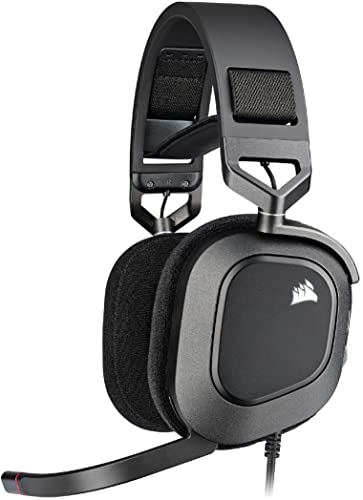
Corsair HS80 RGB USB Wired PC Gaming Headset – Black
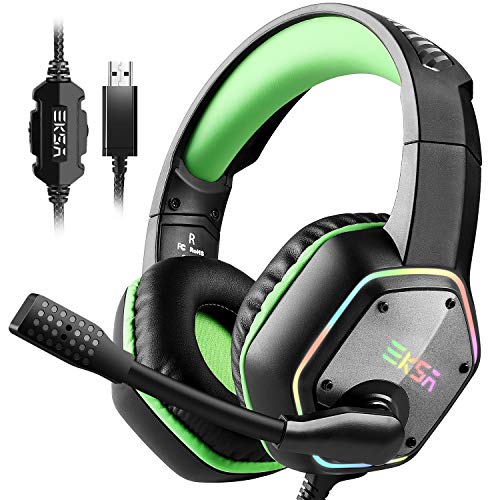
EKSA E1000 Gaming Headset with Noise Canceling Mic & RGB
EKSA E1000 V2 Gaming Headset with USB-C Plug

Logitech G522 Lightspeed Wireless Gaming Headset – Black

JBL Quantum 100M2 Wired Gaming Headset, Detachable Mic – White
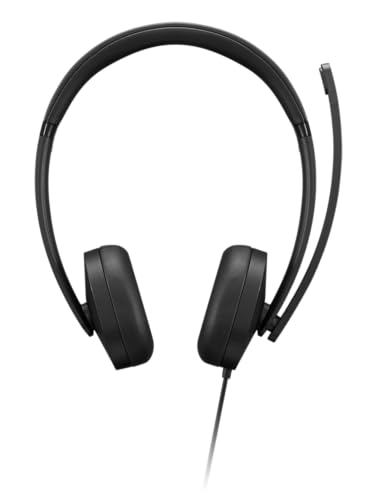
Lenovo USB-A Wired Stereo Headset for PC/Laptop

Razer BlackShark V2 X Gaming Headset: 7.1 Surround Sound

Razer BlackShark V2 X Gaming Headset, 3.5mm Audio Jack, Green
Why These Options Stand Out
The white finish alone sets this one apart on a desk where most headsets disappear into black plastic. Logitech built the G522 around LIGHTSYNC RGB with eight customizable lighting zones facing outward, so your setup gets some personality instead of another anonymous shell.
Beyond the looks, the design leans light, which matters more than most people expect during three-hour RPG sessions. In our view, this is the pick for players who treat their battlestation as part of the hobby itself.
Good Reasons To Consider
- Eight-zone side-facing LIGHTSYNC RGB that syncs with your game or desktop theme
- Lightweight frame reduces neck fatigue over marathon sessions
- Clean white colorway that stands out among standard black headsets
Honest Caveats
- Light-colored earcups tend to show grime faster, so occasional cleaning keeps them looking fresh
- RGB customization means spending time in companion software to get the look you want
Key Specs
Who Will Love This
RPG explorers and cozy-game players who want performance and style in equal measure will feel right at home here.
A Better Fit Elsewhere
Purely competitive shooters may suit the Razer BlackShark V2 X better, since its closed-cup isolation targets footsteps rather than ambiance.
Where the Logitech G522 leads with looks, the Corsair HS80 leads with soundstage. Dolby Audio 7.1 surround processing places sounds around you rather than just left and right, which changes how open-world games feel almost immediately.
The USB connection also means no separate dongles or adapters cluttering your ports. For story-driven titles where atmosphere carries the experience, you may find this headset pulls you deeper than anything else on this list.
What It Does Well
- Dolby Audio 7.1 surround puts you inside the action instead of beside it
- Single USB plug keeps your desk simple and setup instant
- Solid choice for cinematic single-player campaigns
Points To Note
- USB-only connection limits use with devices lacking a spare USB-A port
- Surround processing needs software enabled to deliver its full effect
Right Fit For
Players who prioritize immersion and rich positional audio in atmospheric games over featherweight portability.
Another Choice May Suit
Anyone hopping between laptop, console, and phone should look at the Razer BlackShark V2 X instead, since its 3.5mm jack travels anywhere.
Not everyone wants to spend flagship money on a first headset, and the EKSA E1000 exists precisely for that moment. A built-in USB audio chip drives 7.1 virtual surround, paired with 50mm magnetic neodymium drivers, a driver size that generally translates to fuller bass than smaller units manage.
You still get RGB accents and a noise-canceling microphone at this level, which is genuinely rare. The honest read is that materials feel more modest than premium rivals, but nothing essential is missing.
Strong Points
- 50mm neodymium drivers deliver fuller, punchier game audio
- Noise-canceling mic keeps teammates hearing you, not your keyboard
- Works across PC, PS4, PS5, laptops, and Mac via USB
- RGB lighting adds flair usually reserved for pricier gear
Small Limitations
- Build materials skew plasticky compared with the Corsair HS80
- USB-A only, so newer laptops may need an adapter
Made For
Students and first-time PC builders who want real surround sound without stretching their budget thin.
Consider Something Else When
Owners of modern USB-C-only machines are better served by the EKSA E1000 V2 further down this list.
This is the E1000 rebuilt for the ports your devices actually have. The V2 swaps the old USB-A plug for USB-C and throws in a USB-A adapter, so one headset covers a modern laptop, a PS5, a Switch, even a smartphone.
Inside, the formula stays familiar: 7.1 virtual surround, a noise-canceling microphone, and RGB lighting. Same story as its sibling above on sound quality, just with far fewer dongles in your bag.
Features That Help
- Native USB-C plug suits current laptops, phones, and consoles directly
- Included USB-A adapter rescues older PS4 controllers and PCs
- Keeps the 7.1 surround and noise-canceling mic from the original
Worth Bearing In Mind
- The bundled adapter is small enough to lose, so keep it with the headset
- Comfort tuning remains similar to the original rather than redesigned
Quick Facts
Who Should Grab It
Multi-device players juggling a USB-C laptop, a Switch, and a PS5 will get the most mileage from this flexible setup.
Where Another Pick Suits Better
Desk-bound gamers with plenty of USB-A ports can save money on the original EKSA E1000 without losing much.
Same headset as our top pick, different temperament. The black version trades the standout white finish for a stealthier look that blends into dark-themed setups and hides everyday wear noticeably better.
Everything else carries over: the eight-zone LIGHTSYNC lighting along the earcup sides, the light frame built for extended sessions, and the same fit philosophy aimed at people who game for hours without thinking about their gear. Streamers who appear on camera often prefer how black frames read against most backgrounds, too. Functionally identical, aesthetically quieter.
The Case For It
- Identical eight-zone LIGHTSYNC RGB in a low-profile finish
- Black surfaces conceal fingerprints and scuffs between cleanings
- Suits both gaming desks and shared living spaces discreetly
Things To Consider
- Less visually distinctive than the white version if flair matters to you
The Right Fit
Minimalist setups and streamers who want lighting effects without a bright white frame stealing attention.
Skip It When
Call-heavy professionals belong with the Lenovo USB-A Stereo Headset instead, whose mic system is tuned for meetings rather than matches.
JBL’s consumer-audio pedigree shows up immediately in the Quantum 100M2. Its QuantumSOUND Signature runs through 40mm dynamic drivers tuned so quiet footsteps register as clearly as explosions, and spatial processing centers you in the mix.
The detachable microphone is the detail worth circling. Pop it off after a match and the headset doubles as ordinary headphones for music or commuting, something fixed-boom rivals like the EKSA models can’t do. The white finish rounds out a package aimed at people who wear their headset well beyond gaming.
The Value In It
- Detachable mic converts it into regular headphones instantly
- Tuned drivers balance subtle cues against loud action
- Spatial sound keeps you oriented inside busy game worlds
- White colorway doubles as a lifestyle accessory
Potential Drawbacks
- Small detachable mic is easy to misplace between sessions, so store it deliberately
- 40mm drivers trade some low-end weight versus the Razer’s 50mm units
Whose Shelf It Belongs On
Commuters and students who game at night and listen to music everywhere else will appreciate the dual role.
Swap It Out When
Competitive players chasing maximum isolation should reach for the Razer BlackShark V2 X and its closed aviation-style cups.
Nine-hour meeting days demand a different headset than six-hour raid nights, and Lenovo built this one for the former. At roughly 140 grams, it sits lightly enough that many users forget they’re wearing it through back-to-back calls.
The details lean practical: replaceable earcups extend its working life, a double-sided boom mic captures voice cleanly, and in-line controls put mute within thumb’s reach. AI-powered noise reduction is handled through a companion app, filtering background distraction for Teams and Zoom calls. Nothing here chases game audio theatrics, and that’s the point.
Notable Gains
- 140g frame stays comfortable across full workdays
- Replaceable earcups mean worn pads don’t end the headset’s life
- In-line mute control prevents accidental hot-mic moments
- App-driven noise filtering cleans up calls in noisy homes
Where It May Fall Short
- Stereo tuning favors voice clarity over gaming bass and surround
- Noise canceling requires installing the companion app first
Product Snapshot
Built With In Mind
Remote employees and hybrid workers whose days revolve around video calls will find this the most purposeful option here.
Reach For A Different Pick When
Evenings belong to gaming rather than meetings, and the JBL Quantum 100M2 handles both worlds more gracefully.
Razer took its esports formula and trimmed it into an accessible package, and the result explains why the BlackShark line has such a following. Large 50mm drivers handle the sound while closed aviation-style earcups block outside noise physically, no batteries or processing required.
Memory foam cushions keep pressure off your ears during ranked grind sessions, and the 3.5mm jack plugs into PC, PS4, PS5, or Switch without fuss. For competitive shooters where hearing an enemy reload decides the round, this is the focused tool on the list.
What Stands Out
- Closed earcup design passively blocks household noise
- Memory foam cushions reduce pressure during long matches
- One 3.5mm cable covers PC, PlayStation, and Switch
- 7.1 surround sharpens directional cues in competitive play
Details To Watch
- Fixed boom mic can’t be removed for casual listening use
- Isolation cuts both ways: you’ll hear less of your own surroundings
Feature Rundown
Who It Suits Best
Ranked FPS players in shared or noisy homes benefit most from its combination of isolation and positional accuracy.
Look Elsewhere When
Players wanting removable mics and music-friendly styling will prefer the JBL Quantum 100M2’s convertible design.
The final entry is the BlackShark V2 X again, dressed in Razer’s signature green. Underneath, it’s the same esports-oriented package: 50mm drivers, memory foam padding, passive isolation, and a single 3.5mm cable that works with essentially anything carrying a headphone jack.
That universal plug is what earns it a place here as a travel option. Laptop at a café, handheld console on a flight, borrowed PC at a LAN night, no adapters, no software, no charging. Depending on your rotation of devices, that simplicity can outweigh every feature on this list.
Useful Strengths
- Plain 3.5mm jack pairs with phones, laptops, and consoles directly
- Distinctive green styling appeals to longtime brand fans
- No batteries or software needed, ever
Trade Offs To Consider
- Green finish won’t suit every desk aesthetic
- Shares the fixed mic of the black version, so it stays gaming-first
Best Suited To
Students and frequent travelers who move between devices daily and want one dependable headset for all of them.
Not Your Match When
Desk-bound players with USB ports to spare may find better value in the EKSA E1000 V2’s surround-focused USB setup.
What Matters Most Before Choosing Pc Wired Headsets
Match The Connection To Your Devices
Start by counting your ports. USB headsets such as the Corsair HS80 deliver cleaner digital audio but need a free USB-A slot, while 3.5mm options like the Razer BlackShark V2 X plug into nearly everything made in the last decade. USB-C models split the difference for newer laptops and handhelds.
Weight And Cushions Decide Long Sessions
Driver size gets the marketing attention, but your neck notices grams first. Anything near 140g, like the Lenovo unit, disappears during all-day wear, and memory foam or replaceable earcups keep comfort consistent as months pass.
Think About Where You Play
Open-plan homes and shared rooms reward closed-back designs that isolate sound passively. Quiet dedicated spaces give you freedom to prioritize soundstage and lighting instead.
Mic Flexibility Is Underrated
A detachable boom, like the JBL Quantum 100M2’s, turns one purchase into two products. Fixed mics usually mean slightly better chat consistency, though, so weigh convenience against polish.
Key Considerations Across These Picks
Traps First Timers Fall Into
The most common mistake is buying purely on driver size numbers. A 50mm driver in a poorly sealed cup can sound worse than a well-tuned 40mm one. Another slip: ignoring connector type until the headset arrives and discovering your laptop only has USB-C. Check compatibility before checkout, not after.
What The Higher Tier Buys
Pricier headsets typically spend the difference on build materials, longer-lasting earcup foam, and refined microphone processing. That matters most for anyone logging five-plus hours daily. Casual players using a headset a few evenings a week often won’t perceive the gap, so spend according to your actual hours, not aspirational ones.
Frequently Asked Questions
Are wired headsets still worth choosing in 2026?
Yes, especially for desk-based gaming and calls. You skip charging routines and latency concerns entirely, and wired models generally cost less for equivalent sound quality.
Do USB headsets sound better than 3.5mm ones?
USB connections carry digital audio and often include onboard processing like virtual surround. A quality analog headset can match them, but USB makes features like app-driven noise reduction easier to implement.
Can one headset work for both gaming and video calls?
Several here do exactly that. The JBL Quantum 100M2 with its detachable mic and the Lenovo headset with Teams and Zoom support cover both roles comfortably.
How long does a typical wired headset last?
With reasonable care, two to four years is common. Replaceable earcups, like those on the Lenovo model, stretch that lifespan considerably since pads wear out before electronics do.
Is 7.1 surround actually useful?
For competitive shooters and horror games, positional audio genuinely helps you locate threats. For music and casual play, a well-tuned stereo profile often feels just as satisfying.
Closing Thoughts
Every headset here solves the same core problem differently, and the right answer depends mostly on your hours and habits. Competitive players should shortlist the Razer BlackShark V2 X, remote workers the Lenovo, and style-conscious gamers the Logitech G522. Match the connection to your devices first, then let comfort decide. One of these nine will fit your desk naturally.
