


Practicing piano at home means negotiating with everyone else’s schedule. Late-night scales, early-morning sight reading, and a digital keyboard that sounds fine through speakers but better through a good pair of cans. That’s where dedicated piano headphones earn their keep: they isolate your playing from the household and let you hear every note clearly without waking anyone.
This roundup covers ten wired and wireless options suited to digital pianos, keyboards, and silent practice sessions of every kind. Some are studio-grade monitors built for long sessions, others are lightweight budget picks that get the job done. Each entry below explains who it fits best and where it falls short, so you can match a pair to your instrument, your hours, and your ears.
A Side-By-Side Look

Audio-Technica ATH-M20xBTWH Wireless Over-Ear Headphones (White)

OneOdio A71D Wired Over-Ear DJ Studio Headphones

Sony MDR-ZX110 Wired On-Ear Headphones (Pink)

Sony MDR-ZX110 Wired On-Ear Headphones (White)

Yamaha HPH-MT5 Monitor Headphones (Black)

OneOdio Wired DJ Hi-Res Over-Ear Headphones (Black)

OneOdio Wired DJ Hi-Res Over-Ear Headphones (Pink)

Syndesmos Wired Studio Monitor & Mixing Headphones
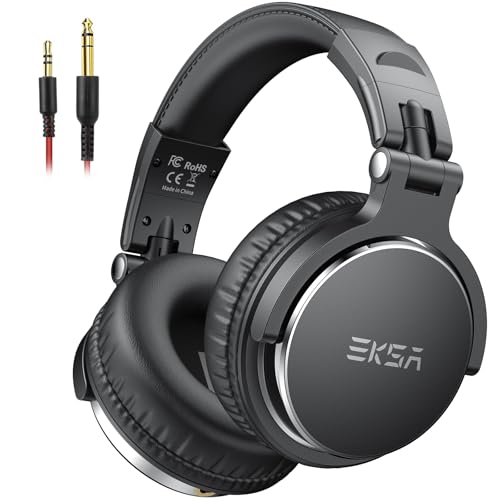
EKSA P100 Wired Studio Monitor Headphones

Yamaha HPH-100WH Closed-Back Headphones (White)
The Details Behind The Selections
Most keyboards sit close enough for a cable, but a wireless pair frees you to shift around the bench, stretch your legs mid-run-through, or step away without unplugging. The ATH-M20xBTWH takes Audio-Technica’s well-known wired studio design and cuts the cord while keeping 40 mm drivers tuned for fuller low-end response.
The headline number is battery life: up to 60 hours between charges, which for most players means weeks of daily practice rather than days. Multipoint pairing lets the headphones stay connected to two devices at once, handy when your tablet holds sheet music and your phone handles backing tracks.
Where It Delivers
- Roughly 60 hours of playback means charging becomes an occasional chore, not a nightly ritual
- Multipoint Bluetooth keeps a keyboard setup and a second device connected simultaneously
- A built-in microphone handles calls or lesson videos without swapping gear
- Lightweight over-ear construction stays comfortable through hour-long sessions
Things To Consider
- Bluetooth adds a small amount of latency, so some players notice timing feel differently than with a wired connection
- You’ll need to remember to charge it; a dead battery mid-practice sends you hunting for a cable anyway
Key Specs
Who It Suits Best
Digital piano owners who want untethered practice and hate managing cables will get the most from this pick.
Where Another Pick Suits Better
Studio-focused players chasing flat, uncolored accuracy should look at the Yamaha HPH-MT5 instead.
Where the Audio-Technica above goes wireless, the A71D stays firmly wired, which suits anyone whose keyboard never moves. Its 40 mm drivers aim for deep bass alongside clear mids and highs, a balance that works well for both practicing pieces and mixing backing tracks.
The trick worth knowing about is the 90-degree swiveling ear cup. Flip one side forward and you can listen with a single ear, which DJs rely on for beatmatching and which piano teachers use to hear a student while keeping one ear free. Fold the whole thing up and it slips into a bag easily.
What Works In Its Favor
- Single-sided monitoring via the swiveling cup makes teaching and cueing far easier
- Ultra-soft padded ear muffs reduce fatigue during extended wear
- Foldable frame packs down small for gigs or storage in a keyboard bench
- No batteries to manage; plug in and play indefinitely
Worth Noting
- The attached cable limits how far you can roam from the keyboard, so bench position matters
- Fold hinges are a moving part; owners commonly report treating them gently extends usable life
At A Glance
Made For
DJs, music teachers, and home recordists who need one-ear monitoring will find this the most useful tool on the list.
Consider Something Else When
Players who want maximum low-end punch from larger drivers may prefer the OneOdio Pro-style model reviewed next.
Not every practice session needs studio hardware. The ZX110 has been a quiet staple in the headphone world for years because it does the basics well: 30 mm dome drivers deliver a full-frequency response, the on-ear pads stay comfortable, and the whole thing weighs almost nothing.
For piano students this checks the important boxes. It plugs into any keyboard or digital piano with a standard headphone jack, the pink finish appeals to younger players, and the low cost makes losing or breaking it a non-crisis. The honest read is that sound quality sits a clear tier below the Yamaha monitors here, but for learning scales and working through method books, that gap rarely matters.
The Case For It
- 30 mm dome drivers produce a rich, balanced response good enough for focused practice
- Lightweight on-ear build avoids the neck strain heavier monitors can cause in kids
- Low replacement cost makes it sensible for shared households and school use
Trade Offs
- On-ear pads press against the ear rather than surrounding it, so isolation is modest in noisy rooms
- Plastic construction feels less durable than metal-banded rivals; gentle handling helps it last
Right Fit For
Beginning students, casual players, and anyone furnishing a second keyboard station on a tight budget.
Not Your Match When
Recording enthusiasts wanting tighter accuracy should step up to the Yamaha HPH-MT5 further down this list.
This is the same proven ZX Series formula as the pink version above, just in a clean white finish that blends into bright rooms and matches white keyboards nicely. Under the shell you get neodymium dynamic drivers delivering a punchy, rhythmic response, plus the same lightweight comfort that made this line popular in the first place.
The practical advantage shows up at pack-up time. The earcups swivel flat, letting the headphones slide into a drawer, backpack pocket, or the accessory shelf of most keyboard stands. Commuters and dorm-dwellers report this folding habit is the main reason they reach for the ZX110 over bulkier over-ears.
A Few Highlights
- Neodymium drivers give a lively, punchy character that suits pop and contemporary repertoire
- Swiveling earcups collapse flat for genuinely compact storage
- Very light on the head, so long theory-study sessions with background listening stay comfortable
Minor Gripes
- White finishes show scuffs and headphone-jack grime more readily than darker colors; a soft wipe-down now and then keeps them presentable
- Soundstage and detail trail the pricier monitors in this roundup noticeably
Best Suited To
Players who split practice between home and elsewhere and want a pair that travels without fuss.
Look Elsewhere When
Anyone needing serious noise isolation for loud households should consider the closed-back EKSA P100 instead.
Every other pick here colors the sound to some degree; the MT5 tries hard not to. Yamaha built its MT series around faithful reproduction of the source, choosing components and materials specifically for accuracy whether you’re tracking in a studio or checking a mix at home. For pianists, that means what you hear through these is closer to what the microphone actually captured.
That honesty matters most during recording and self-assessment. When you’re reviewing a take, flattering headphones hide mistakes. The MT5 surfaces them, which is uncomfortable in the best possible way. The trade-off is that casual listening can feel drier and less exciting than bass-forward alternatives like the OneOdio models earlier in this list.
Reasons It Performs
- Monitor-grade tuning reveals detail and balance issues that consumer-tuned pairs gloss over
- Over-ear design isolates well enough for critical listening in shared spaces
- Build reflects studio expectations, with a fit designed for long engineering sessions
Room For Improvement
- Flat response won’t flatter compressed streaming audio the way bass-heavy headphones do
- Carrying case and accessories vary by region, so confirm what ships before ordering
Who Will Love This
Home producers, recording pianists, and perfectionists auditing their own playing benefit most from its accuracy.
A Better Fit Elsewhere
Listeners who want warmth and fun during casual playback should choose the Yamaha HPH-100WH below.
Step up from the A71D and the driver size jumps to 50 mm, the largest in this roundup alongside the syndesmos and EKSA entries. Paired with neodymium magnets, those big diaphragms push powerful bass, clear vocals, and crisp highs. Left-hand octaves and synth basslines carry real weight through these.
The soft padded cushions also do genuine isolation work, sealing out household noise while keeping your playing from leaking out. An adjustable, stretchable headband accommodates different head sizes, which matters in family setups where several people share one keyboard. Compared to the smaller-driver Sony picks, these sound bigger; compared to the Yamaha MT5, they’re warmer but less forensic.
Points In Its Favor
- Large 50 mm drivers with neodymium magnets deliver bass presence smaller pairs can’t match
- Padded cushions provide effective passive noise isolation for busy homes
- Adjustable headband suits multiple users sharing one instrument
Points To Note
- Wired-only operation ties you to the keyboard’s cable length
- Earcushion foam compresses over years of heavy use; replacements extend life cheaply
Feature Snapshot
Perfect Match For
Bass-loving players and home DJs who want one wired pair to cover practice, mixing, and everyday listening.
Skip It When
Wireless freedom tops your list, in which case the Audio-Technica ATH-M20xBTWH remains the stronger call.
Same 50 mm drivers and neodymium magnets as the black version above, wrapped in a pink shell that younger musicians tend to claim instantly. Nothing about the audio changes: dynamic bass, solid vocals, crisp highs, all delivered through a straightforward plug-and-play wired connection that even first-time keyboard owners can set up in seconds.
For beginners, simplicity is the feature. There’s no pairing mode, no charging routine, no app. Plug into the keyboard’s headphone jack and play. The padded cushions isolate reasonably well, helping new players focus on their own touch without household distraction. In our view, this is the easiest recommendation on the list for a child or teen starting lessons on a digital piano.
Practical Pluses
- True plug-and-play setup removes every technical hurdle for brand-new players
- Big 50 mm drivers make practice sound substantial, which keeps motivation up
- Soft cushion padding supports the longer session lengths lessons demand
Softer Spots
- Larger over-ear shells may overwhelm very young children’s heads; check fit expectations first
- The cable needs basic care; yanking it from the jack is the most commonly reported failure point
Who Should Grab It
Kids, teens, and first-time keyboard owners who want capable sound in a fun, zero-fuss package.
Another Choice May Suit
Smaller-headed children often get a better physical fit from the lighter Sony MDR-ZX110 in pink.
This lesser-known name competes directly with the OneOdio models by matching their 50 mm driver size and adding a stated frequency span running from deep bass up to 20 kHz, the top of human hearing. Punchy lows, balanced mids, and precise treble are the claimed targets, aimed at DJ mixing, studio monitoring, and audiophile listening alike.
The standout use case is vocal self-monitoring during recording and tracking sessions, where hearing your own voice accurately matters more than raw power. The frame also emphasizes light weight, which reduces neck fatigue across long sessions. Against the EKSA P100 next door, the differences come down to fit preference and availability rather than dramatic spec gaps, so compare current listings before deciding.
Notable Gains
- Wide 20 Hz to 20 kHz coverage captures sub-bass weight and airy treble detail
- Accurate vocal reproduction aids self-monitoring while tracking
- Lightweight build keeps long mixing or practice blocks from wearing on your neck
Small Caveats
- As a newer, smaller brand, long-term durability reports are thinner than for established names like Sony or Yamaha
- Driver size alone doesn’t guarantee tuning quality; expect a slightly different character than the OneOdio pairs
Quick Facts
Built With In Mind
Vocalists, podcasters, and tracking pianists who need honest self-monitoring on a modest spend.
Reach For A Different Pick When
Brand track record drives your decision; the EKSA P100 offers similar specs from a more established maker.
Comfort is the P100’s calling card. EKSA equips it with large 50 mm drivers and neodymium magnets for powerful bass, clear vocals, and crisp highs, but the reason players stick with it is the soft padded cushioning that stays pleasant hour after hour. Anyone logging three-hour practice blocks knows exactly how much that’s worth.
The sealed over-ear design also provides meaningful passive noise isolation, muting dishwashers, televisions, and siblings so your attention stays on the keys. Compared with the syndesmos unit above, the P100 leans harder into plushness over outright portability. Owners generally describe the fit as snug but forgiving, though head size varies enough that checking return options is a sensible habit.
A Favorable Mix
- Generously padded cushions make multi-hour sessions genuinely sustainable
- Effective passive isolation keeps household noise out of your practice space
- Neodymium-driven 50 mm drivers supply satisfying low-end authority
Areas To Watch
- Plush padding traps heat in warm rooms; brief breaks help during summer practice
- Wired design means cable management is part of the ownership routine
The Numbers That Matter
The Right Fit
Advanced students and home producers who prioritize endurance comfort over cutting-edge features.
Swap It Out When
Portability ranks higher than plushness for you; the foldable OneOdio A71D travels better.
Yamaha designs the HPH-100 specifically with instrumentalists in mind, balancing bass and treble so recorded playback and live performance on a digital instrument both sound satisfying. Unlike the analytical MT5 earlier in this list, this pair aims for musical enjoyment first, accuracy second, and plenty of home pianists prefer exactly that emphasis.
The thoughtful detail is the single-cable configuration, which runs from one earcup only. It sounds minor until you’ve practiced with a Y-split cable draping across your chest; the single lead keeps clutter away from your neck and hands while you play. The white finish coordinates naturally with white digital pianos, making it a tidy visual match for modern living rooms.
What It Does Well
- Carefully balanced bass and treble suit both playback and performing on digital instruments
- Single-cable layout eliminates cord clutter around your neck during play
- Closed-back design contains sound for considerate late-night sessions
Honest Caveats
- Less analytically revealing than the HPH-MT5, so critical mixing work benefits from the sibling model
- Light-colored earpads may discolor over time; regular gentle cleaning preserves their appearance
Product At A Glance
Whose Shelf It Belongs On
Digital piano owners who value refined, musical sound and a clean aesthetic will feel at home here.
Where A Sibling Pick Shines
Engineers needing unvarnished monitoring should pick the Yamaha HPH-MT5 instead of this warmer option.
What Matters Most Before Choosing Piano Headphones
Driver Size And Sound Character
Drivers convert electrical signal into sound, and their diameter shapes what reaches your ears. Smaller 30 mm units, like those in the Sony ZX110, deliver clean, balanced output ideal for learning. Larger 40 to 50 mm drivers push deeper bass and greater presence, which flatters contemporary music but can color classical repertoire. Match the character to what you actually play.
Wired Versus Wireless Practice
A wired connection introduces no latency, meaning zero delay between keypress and sound, which matters for developing timing. Wireless pairs such as the ATH-M20xBTWH add convenience and freedom of movement, at the cost of charging routines and a slight transmission delay some players perceive. Traditionalists and recording users lean wired; roving players lean wireless.
Isolation And Household Harmony
Closed-back designs seal sound inside the earcup, protecting your family from repeated passages and shielding you from kitchen noise. Open or lightly sealed on-ear styles breathe better but leak more. Shared apartments and evening practicers should treat isolation as a priority, not a bonus.
Comfort For Long Sessions
Piano practice runs longer than most listening. Padded over-ear cushions, adjustable headbands, and light frames determine whether hour three feels fine or punishing. Heavier heads and glasses wearers should favor generously padded models like the EKSA P100.
Key Considerations Across These Picks
Traps First Timers Fall Into
Chasing driver size alone leads many shoppers astray; a well-tuned 40 mm pair can outperform a muddy 50 mm one. Skipping the impedance check causes another common stumble, since some keyboards drive certain headphones louder than others. Finally, ignoring cable length turns practice into a tug-of-war with your bench.
What Separates Premium From Basic
Higher-tier models invest in tuning accuracy, sturdier materials, and replaceable parts. The Yamaha monitors exemplify this: flatter response, better isolation, and builds meant to survive studio life. Casual players rarely need that ceiling, but recording pianists hear the difference immediately.
Frequently Asked Questions
Do I need special headphones for a digital piano?
No special certification exists, but low-latency wired over-ear models work best. Any standard headphone jack-compatible pair, like every option listed here, will function correctly.
Can I use wireless headphones with my keyboard?
Yes, provided your keyboard supports Bluetooth audio output or you add a compatible transmitter. Expect a small delay that some players notice during fast passages.
Are closed-back headphones better for piano practice?
For most home situations, yes. They contain sound so household members aren’t subjected to repeated scales, and they block outside noise so you can hear dynamics clearly.
How important is bass response for piano?
Moderately. Acoustic piano fundamentals reach into low frequencies, so some bass capability helps, but exaggerated bass can smear the clarity of chords and inner voices.
How long should piano headphones last?
With reasonable care, quality wired models typically serve several years. Cushions and cables are the usual wear points, and many are replaceable affordably.
Bottom Line
The right pair depends on how you practice. Cable-free flexibility points to the Audio-Technica ATH-M20xBTWH, critical listening favors the Yamaha HPH-MT5, and budget-conscious learners do well with either Sony ZX110 colorway. Everyone else finds a strong match among the OneOdio, EKSA, syndesmos, and Yamaha HPH-100 options above. Start with your instrument, your hours, and your household, and the choice narrows quickly.
