


Portable gaming asks a lot from one machine, so the sweet spot is usually a careful mix of graphics power, cooling, screen speed, and weight. You want something that can handle a fast match in a hotel room, a late-night session at home, or a long commute without turning into a brick in your bag. The seven picks below lean in different directions, from premium performance to lighter everyday carry, so you can match the laptop to your routine instead of forcing your routine around the laptop.
Quick Look At The Shortlist

ASUS ROG Strix G16 (2025) Gaming Laptop, G615JMR-AS74
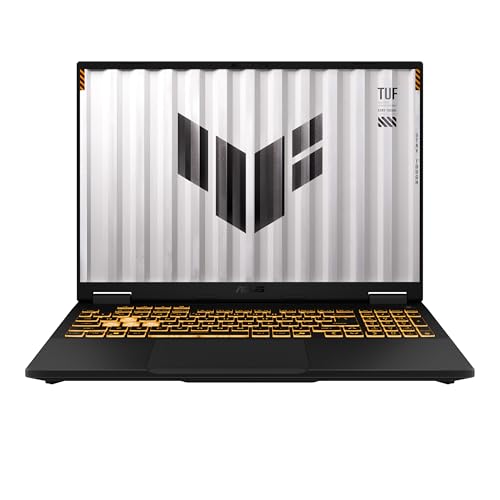
ASUS TUF Gaming F16 (2025) Gaming Laptop

Acer Nitro V Gaming Laptop ANV15-52-586Z

Acer Nitro V 16S AI Gaming Laptop ANV16S-41-R2AJ

NIMO 15.6″ FHD Light-Gaming-Laptop

Alienware 16 Aurora Gaming Laptop
ASUS TUF Gaming F16 Gaming Laptop FX607VU-SS53
More Details On Our Top Picks
The Strix G16 suits you when smooth motion matters as much as raw frame power. The 16:10 165Hz panel gives games more vertical room, and that 3ms response time helps fast scenes feel cleaner without fuss.
Compared with the thinner, more modest Acer Nitro V 15, this ASUS looks aimed at a more serious daily gaming load. The i7-14650HX, RTX 5060, 16GB of DDR5 memory, and 1TB Gen 4 SSD make sense for someone who keeps several large games installed and wants room to breathe.
Strong Points
- The RTX 5060 and i7-14650HX pairing gives you a strong ceiling for demanding games and heavy multitasking.
- The 165Hz screen suits fast play, so motion in competitive titles feels more controlled.
- 16:10 aspect ratio means you get a taller workspace for maps, menus, and creative apps.
- 1TB Gen 4 SSD gives you generous game storage and quick load behavior.
Worth Noting
- The higher-power HX processor usually asks more from cooling, so fan noise can matter in quiet rooms.
- It’s a performance-first machine, so it makes less sense for long days of carrying around campus.
Feature Card
Who It Suits Best
You suit this pick best if you want a portable gaming laptop that still feels ready for demanding sessions, streaming, and heavier multitasking.
Where A Sibling Pick Shines
ASUS TUF Gaming F16 (2025) is the more grounded choice for you if you care more about value balance than pushing straight into the higher tier.
The TUF F16 sits in a useful middle lane, especially for you if you want current-gen parts without jumping to the Strix level. The 16-inch 165Hz 16:10 panel keeps motion quick, and the clean, embossed design looks less shouty than many gaming rigs.
Its Intel Core i5-13450HX and RTX 5050 are a sensible combo for everyday gaming, school work, and the odd creative project. The 16GB of DDR5 memory helps with multitasking, while the 512GB PCIe Gen4 SSD means you may need to manage installs more actively than you would on the Strix G16.
Highlights
- 165Hz refresh rate supports smoother action in shooters and racing games.
- 16:10 display format gives you a little more vertical room than a plain 16:9 panel.
- RTX 5050 keeps the laptop in a practical gaming tier for most day-to-day titles.
- Its restrained styling works well in a dorm, office, or shared space.
Small Caveats
- 512GB storage can fill quickly once larger games and launchers pile up.
- The i5 chip is capable, though it leaves less breathing room than the Strix G16’s i7.
Core Details
Made For
You fit this model best if you want a balanced gaming laptop that still looks restrained enough for mixed home-and-work use.
Another Choice May Suit
ASUS ROG Strix G16 (2025) suits you better if you care more about higher-end performance and larger game storage.
This Nitro V leans toward straightforward gaming value rather than flashy extras. The 15.6-inch IPS panel with 165Hz refresh keeps movement responsive, and the smaller footprint should feel easier in a backpack than the 16-inch ASUS models.
The trade-off shows up in the 8GB of DDR5 memory, which is workable for lighter multitasking but less relaxed once you stack game launchers, a browser, and chat apps together. For a student, starter setup, or a household that wants a usable gaming laptop without chasing high-end specs, that compromise is easy to understand.
Best Bits
- RTX 4050 gives you a practical entry point for current games.
- 165Hz IPS display supports smoother on-screen motion.
- 15.6-inch size stays more portable than the larger 16-inch rigs here.
- Backlit keyboard helps in dim rooms or late-night sessions.
Areas To Watch
- 8GB memory is the main pressure point for heavier multitasking.
- 512GB storage can feel tight once you install several big games.
Feature Rundown
Who Will Love This
You fit this pick best if you want an easier-to-carry gaming laptop for school, casual play, or a first serious machine.
Where A Sibling Pick Shines
ASUS TUF Gaming F16 (2025) is the better route for you if 16GB memory and a roomier feel matter more than keeping the price tier lower.
The 16S AI stands out because it pairs a slimmer shape with very generous memory and storage. That mix helps you keep big projects, modern games, and everyday tabs in play without feeling boxed in, which matters on a machine you plan to carry often.
Compared with the Nitro V 15, this one looks better suited to someone who wants more headroom and a more polished on-the-go setup. The WUXGA 180Hz IPS panel, 32GB of DDR5 memory, and 1TB Gen 4 SSD make the spec story feel rounded rather than bare-bones, and the Ryzen 7 260 gives it a more ambitious profile.
Upsides
- 32GB memory gives you a lot of room for gaming plus multitasking.
- 1TB SSD leaves space for a larger library and everyday files.
- 180Hz display helps fast action look fluid.
- Slim design makes it easier to carry than bulkier gaming machines.
Points To Note
- The stronger spec mix likely comes with more attention to cooling fan behavior.
- Wi-Fi 6 is solid, though it trails the newer wireless standard used on the Strix G16.
Quick Facts
The Right Fit
You fit this model best if you want a travel-friendly gaming laptop that still feels roomy for multitasking.
Look Elsewhere When
ASUS ROG Strix G16 (2025) suits you better if you want the more established high-end feel and Wi-Fi 7 support.
NIMO takes a lighter gaming angle than the dedicated RTX laptops above. The Ryzen 7 Pro 6850U, Radeon 680M graphics, 32GB of LPDDR5 memory, and 1TB SSD make it feel better suited to mixed work, streaming, and casual gaming than to heavy frame chasing.
For travel, that balance matters. The 100W USB-C charging support and fingerprint sensor add everyday convenience, and the backlit keyboard is handy after dark, though the overall experience makes more sense for someone who values portability and desktop-like storage over pushing the newest games at the highest settings.
Positives
- 32GB LPDDR5 memory keeps multitasking comfortable.
- 1TB SSD gives you a generous install and file cushion.
- USB-C charging can simplify the cable pile in a bag.
- Fingerprint login makes quick sign-ins feel convenient in shared spaces.
Minor Gripes
- Radeon 680M graphics fit lighter gaming better than demanding releases.
- The light-gaming focus makes it less direct for competitive play.
At A Glance
Built With In Mind
You fit this pick best if you want a lighter laptop that still has enough memory and storage for mixed use.
Skip It When
Acer Nitro V 16S AI is the smarter route if your main goal is stronger dedicated gaming graphics in a portable body.
Alienware’s Aurora line usually speaks to you through design as much as specs, and this one follows that pattern with a sleek anodized aluminum lid and a 16-inch WQXGA 120Hz panel. The 300-nit brightness figure matters in practical terms because it gives the display more breathing room in brighter rooms than dimmer panels usually do.
The Intel Core 7 240H and RTX 5050 place it in a solid mid-to-upper gaming lane, but the real draw here is the cleaner, more polished feel. Compared with the ASUS TUF F16 models, this is the pick that makes sense when you want a gaming laptop that looks more upscale on a desk and less rugged in style.
What We Like
- WQXGA resolution gives you a sharper workspace than plain FHD panels.
- 120Hz refresh rate still supports smooth gaming motion.
- Anodized aluminum lid adds a more premium touch.
- 300 nits brightness helps in brighter indoor spaces.
Room For Improvement
- 120Hz is lower than the 165Hz and 180Hz panels in some other picks here.
- The styling focus may matter more to you than raw value.
Who Should Grab It
You fit this laptop best if you want a gaming machine that feels polished enough for a mixed home, work, and play setup.
Where A Sibling Pick Shines
ASUS ROG Strix G16 (2025) suits you better if you want the faster display and stronger overall gaming spec package.
This TUF F16 lands as the most straightforward member of the ASUS pair. The 144Hz IPS-level display is a step down from the 165Hz screens above, but it still gives you a clean gaming feel, and the 16:10 layout helps the laptop feel useful beyond play.
With the Core 5 210H, RTX 4050, 16GB of DDR5, and 512GB PCIe Gen4 SSD, you get a sensible starter spec that suits lighter esports, everyday work, and casual single-player sessions. The honest read is that it’s less ambitious than the Strix G16 or Nitro V 16S AI, yet that also keeps it easier to approach for a first gaming laptop.
Reasons To Buy
- 16GB DDR5 gives you a comfortable baseline for modern multitasking.
- 144Hz panel still feels responsive for gaming.
- RTX 4050 keeps it in a familiar entry gaming tier.
- Simple spec mix makes it easier to understand and live with.
Softer Spots
- 512GB storage means you’ll manage your game library more carefully.
- The RTX 4050 sits below the higher-tier options in this roundup.
Right Fit For
You fit this model best if you want a plain, capable gaming laptop without paying for extras you may not use.
Reach For A Different Pick When
Alienware 16 Aurora Gaming Laptop suits you better if you want a sharper display and a more polished design feel.
What Matters Most Before Choosing Portable Gaming Laptops
Screen Speed And Size
A 15.6-inch model travels more easily, while a 16-inch panel usually feels better for maps, inventory screens, and multitasking. Refresh rate matters too, because 144Hz to 180Hz can make fast motion feel cleaner than a basic panel in the same class.
Graphics And Cooling Balance
The GPU does the heavy lifting, but the processor and cooling system decide how steadily that power shows up over a long session. Higher-power chips such as HX-class processors often need more fan attention, so a thicker chassis can be the safer trade when you care about sustained gaming.
Memory And Storage Headroom
16GB of memory is the practical floor for most modern gaming setups, while 32GB feels more relaxed for gaming plus work and streaming. Storage fills fast once a few large titles land on the drive, so 1TB gives you more breathing room than 512GB.
What Separates Higher-End Picks From Basic Ones
Common Shopping Slip Ups
One common mistake is chasing the graphics label and overlooking memory or storage. Another is assuming every slim laptop stays quiet under load, which is rarely how gaming hardware behaves.
The Upgrade Payoff
Higher-tier models usually spend more on the screen, cooling, faster storage, and stronger processors. That extra spend makes the most sense for you when the laptop handles long sessions, heavier multitasking, or a larger game library.
Frequently Asked Questions
What size works best for portable gaming?
A 15.6-inch laptop is usually easier to move around every day. A 16-inch model gives you more room for games and desktop work.
How much memory should you look for?
16GB is the comfortable starting point for most gaming setups. 32GB is a nicer fit for heavier multitasking.
Is 512GB storage enough?
It works for a smaller library, but large games can fill it fast. 1TB gives you more room to keep installs on hand.
Do higher refresh rates matter?
Yes, especially in fast-paced games where motion clarity helps. 144Hz is good, 165Hz feels a bit smoother, and 180Hz gives you a little more headroom.
Which pick is best for mixed work and gaming?
ASUS TUF Gaming F16 (2025) and NIMO 15.6″ FHD Light-Gaming-Laptop both handle mixed use well. The ASUS leans more toward gaming, while the NIMO leans more toward light carry and everyday convenience.
Closing Thoughts
The right portable gaming laptop depends on how hard you game and how often you carry it. ASUS ROG Strix G16 and Acer Nitro V 16S AI are the strongest fits for heavier play, while the TUF models and Acer Nitro V 15 keep things simpler and easier to live with. NIMO and Alienware serve more specific tastes, one for lighter mixed use and one for a cleaner premium feel. Choose the one that matches your bag, your desk, and your game library.
