


Wireless has its perks, but a cable still wins on reliability, zero latency, and never dying mid-session. This list rounds up ten wired options spanning budget commuters to studio staples, so you can match a pair to how you actually listen: practicing piano, mixing tracks, studying in a shared apartment, or just surviving a long flight without hunting for a charger. Every pick here leans on manufacturer specs and widely reported owner experience rather than hype, and each one comes with honest trade-offs spelled out.
The Essentials At A Glance

Yamaha HPH-100WH On-Ear Headphones White

JVC HARX900 High-Grade Full-Size Headphone Black

Shure SRH440A Studio Headphones
Sennheiser HD 505 Wired Over-Ear Copper Edition

JBL Tune 500 Wired On-Ear Black

Sony MDR7506 Professional Headphone

Audio-Technica ATH-M20x Studio Monitor Black

Audio-Technica ATH-M20xBT Wireless White

COOSII AC01 Over-Ear Wired Black Blue
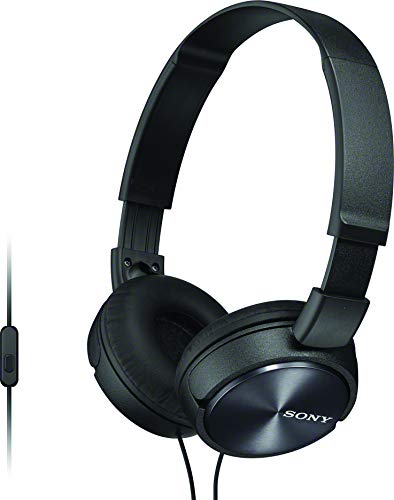
Sony MDR-ZX310AP ZX Series with Mic Black
A Closer Look At Each Pick
The white finish makes this one of the few headphones on the list you’d happily leave out next to a keyboard. Yamaha designed it as a companion to its keyboards and digital pianos, and the closed on-ear shape keeps practice sessions from spilling into the rest of the house.
Earcups swivel up to 90 degrees and the headband adjusts finely, which matters during hour-long practice runs when pressure points start complaining. In our view, it’s an easy first pair for anyone learning an instrument.
Real Benefits
- 90-degree rotating joints let the cups sit naturally against your ears instead of clamping straight down.
- Closed-back construction keeps metronome clicks and backing tracks contained during late-night practice.
- Fine headband adjustment means kids and adults can share the same pair comfortably.
Things To Consider
- On-ear pads rest on the ear rather than around it, so glasses wearers may feel pressure after long sessions.
- White housings show scuffs and headphone-jack grime faster than black rivals like the JBL Tune 500.
Who It Suits Best
Beginning pianists and keyboard students who want a comfortable, purpose-built practice pair.
Where A Sibling Pick Shines
For general music listening rather than instrument practice, the JVC HARX900’s larger over-ear cups deliver more bass presence.
Where the Yamaha HPH-100WH plays it safe and comfortable, the HARX900 goes loud and low. Its 50mm neodymium driver is the biggest in this lineup, paired with a ring port structure JVC uses to reinforce bass output without turning everything muddy.
The spec sheet reads like a home-audio enthusiast’s wish list: frequency response from 7Hz to 26,000Hz, 64-ohm impedance, and a generous maximum input rating. That impedance figure means it genuinely benefits from a headphone amp or a receiver’s dedicated output, so phone-only listeners may find the volume modest.
Positive Takeaways
- Full-size over-ear cups surround your ears completely, which most owners find comfortable for movie nights.
- A included 1/4-inch adapter plugs straight into amplifiers, receivers, and audio interfaces.
- The wide frequency range captures sub-bass detail smaller drivers simply miss.
Trade Offs
- At 64 ohms, weak sources struggle to drive it loudly, so budget for an amp or DAC.
- Large cups and a full-size frame make it a poor travel companion compared to the folding Sony MDR-ZX310AP.
Key Specs
Made For
Desk-bound listeners with an amp or stereo who want big, physical bass from movies and electronic music.
Consider Something Else When
Phone-and-laptop listeners should reach for the Audio-Technica ATH-M20x, which drives easily from modest sources.
Shure built the SRH440A around one idea: tell you the truth about your mix. The closed-back, over-ear design emphasizes an even frequency response, so harsh sibilance and boomy low end become obvious while you’re recording instead of after you’ve published.
The collapsible frame earns its keep in small home studios where gear lives on a shelf between sessions. Podcasters tracking voice work day after day are the clearest beneficiaries here, though the honest tuning takes some adjustment coming from bass-heavy consumer pairs.
Everyday Wins
- Enhanced, balanced frequency response reveals mix problems early, saving rework later.
- Collapsible hinges shrink it down for gig bags and crowded desk drawers.
- Closed-back isolation helps you hear takes clearly even in untreated rooms.
Small Caveats
- Flat tuning can sound thin next to consumer headphones until your ears recalibrate.
- The fixed cable means a damaged cord requires service rather than a quick swap.
Right Fit For
Voiceover artists, podcasters, and bedroom producers who need truthful monitoring without studio-grade spending.
Not Your Match When
Casual listeners wanting fun, bass-forward sound will enjoy the JBL Tune 500 far more day to day.
This is the audiophile entry point on the list, and the copper accents signal it. Unlike every closed-back pick above, the HD 505 uses an open-back design, meaning the earcups vent to air so instruments breathe inside a wider, more natural soundstage.
An advanced laminate diaphragm handles the tonal work, delivering crisp highs, clear mids, and bass that stays disciplined rather than bloated. The trade-off is privacy and environment: open backs leak sound outward and let room noise in, so they belong at a quiet desk, not on a bus.
Features That Help
- Laminate diaphragm technology produces transparent highs and controlled, non-boomy bass.
- Open-back architecture creates an airy presentation that acoustic and orchestral music rewards.
- Over-ear comfort suits long listening blocks, study sessions, and gaming marathons alike.
Room For Improvement
- Sound leaks both ways, which rules out offices, commutes, and shared bedrooms.
- No passive isolation means background chatter competes directly with your music.
Core Details
Who Will Love This
Audiophiles, students, and gamers with a quiet private space who prize detail over isolation.
Look Elsewhere When
Noisy environments call for the sealed Audio-Technica ATH-M20x instead, which isolates far better.
JBL’s signature Pure Bass tuning shows up here in a package light enough to forget you’re wearing it. The 32mm drivers lean energetic rather than analytical, which suits playlists, podcasts, and video calls better than critical listening.
A one-button universal remote handles calls and playback across most smartphones, and soft ear cushions plus a padded headband keep commutes pleasant. Compared with the pricier Yamaha HPH-100WH, this is the more casual companion, built for pockets and backpacks.
Why It Works Well
- Pure Bass tuning gives everyday music real punch without extra equipment.
- One-button remote answers calls and skips tracks on nearly any phone.
- Soft cushions and padded band stay comfortable through a full commute.
Minor Gripes
- On-ear pads sit against the ear, so heat builds up in warm weather.
- Small drivers mean less low-end depth than the JVC HARX900 offers.
The Right Fit
Commuters and students wanting affordable, lively sound with call handling in one cable.
Skip It When
Studio monitoring is the goal, since the Shure SRH440A’s flat response serves that job properly.
Walk into any recording studio and odds are good you’ll spot this exact model hanging on a hook. Decades of professional use have made the MDR7506 a reference standard: 40mm drivers with neodymium magnets produce detailed, revealing sound that engineers trust for tracking and editing.
The closed-ear design blocks outside noise well enough to work in loud control rooms, and the whole unit folds into its supplied pouch for location shoots. One honest note: the coiled-to-straight 9.8-foot cord is fixed, not detachable, so careful cable handling pays off over years.
Where It Helps
- 40mm drivers with neodymium magnets deliver powerful, detailed reproduction professionals rely on.
- Closed-ear design provides comfort alongside strong reduction of external noise.
- A 9.8-foot cord with gold-plated plug reaches across a desk or console easily.
- Folding design packs down for field recording and travel.
Points To Note
- The non-detachable cable can’t be swapped when worn, a common long-term complaint.
- Ear pads compress over years of daily studio use and eventually need replacing.
Product Snapshot
Built With In Mind
Engineers, editors, and serious hobbyists who want the industry-standard monitoring sound.
Swap It Out When
Listeners who prefer a detachable cable will appreciate the newer Shure SRH440A workflow.
Next to the Sony MDR7506’s legendary status, the ATH-M20x is the sensible younger sibling: fewer frills, lower cost, and tuning aimed squarely at tracking and mixing. Its 40mm drivers use rare-earth magnets and copper-clad aluminum wire voice coils, hardware usually reserved for pricier models.
The circumaural fit contours fully around your ears for solid isolation in loud rooms, and the single-sided cable exit keeps cords out of your way at a desk. First-time home-studio builders get the most from this one, in our view.
The Case For It
- Rare-earth magnet drivers with copper-clad aluminum coils punch above the price bracket.
- Tuning favors enhanced low-frequency performance, helpful for checking kick and bass levels.
- Circumaural pads isolate well in noisy apartments and shared spaces.
Honest Caveats
- Plastic construction feels less premium than metal-banded rivals, though owners report it holds up fine.
- Non-detachable cable limits repair options down the road.
Feature Rundown
Whose Shelf It Belongs On
Students and beginner producers assembling a first home studio on a tight budget.
Another Choice May Suit
Working engineers needing reference-grade accuracy should step up to the Sony MDR7506.
Yes, this one carries Bluetooth, but it belongs here because it bridges both worlds. Audio-Technica modeled it on its own ATH-M20x wired monitor, keeping the same 40mm drivers tuned for enhanced bass, then adding a microphone and multipoint pairing so you can juggle a laptop and phone at once.
The headline number is battery life: up to 60 hours per charge, which covers weeks of commutes between top-ups. Commuters who also record at a desk get genuine dual-duty value, though purists will still hear a difference over a cable.
Points In Its Favor
- Up to 60 hours of battery life means charging roughly monthly for typical use.
- Multipoint pairing switches smoothly between laptop and phone during a workday.
- Studio-inspired 40mm drivers keep bass strong and full-range sound intact.
- Lightweight frame stays comfortable through long wear.
Areas To Watch
- Bluetooth adds slight latency, so gamers may notice sync lag in fast titles.
- White earcups attract visible wear faster than darker finishes.
Perfect Match For
Remote workers and commuters who want studio-flavored sound without giving up wireless freedom.
Reach For A Different Pick When
Zero-latency wired purity matters most, and the original ATH-M20x remains the cleaner choice.
At the friendliest end of this list sits the AC01, a full over-ear pair with a built-in microphone and inline volume control. COOSII claims its 360-degree surrounding construction blocks up to 85 percent of ambient sound, which is passive isolation doing the work active noise cancellation charges far more for.
The 40mm DLC dynamic driver splits duties evenly, offering balanced bass and treble with clear stereo mids. Study halls and dorm rooms are its natural habitat, and honestly, for the money there’s little competition here.
What It Does Well
- Over-ear sealing blocks a large share of ambient noise without electronics.
- DLC-coated 40mm driver balances lows and highs for focused listening.
- Inline mic and volume control handle calls without touching your device.
Softer Spots
- Build materials feel lighter than the Audio-Technica ATH-M20x, so gentle handling extends its life.
- Brand support and replacement parts are harder to source than with major names.
Who Should Grab It
Students and casual listeners wanting full-size comfort and isolation at minimal spend.
Where Another Pick Suits Better
Long-term durability seekers should consider the Sony MDR7506 despite the higher outlay.
Sony’s ZX series has long been the grab-and-go option, and the ZX310AP keeps that reputation alive. Swivel-folding earcups collapse flat into a bag, and the adjustable housing shrugs off the knocks that come with daily transit.
Inside, 30mm dome-type drivers push clear, rock-solid audio, while an integrated microphone handles calls on the same Y-type cable. Against the JBL Tune 500, this Sony trades some bass warmth for a lighter, tougher travel build, which frequent flyers tend to prefer.
The Practical Payoff
- Swivel folding design packs down small enough for jacket pockets.
- Built-in microphone covers calls without a separate headset.
- Lightweight yet rugged housing survives being tossed into bags.
Worth Bearing In Mind
- Smaller 30mm drivers give less bass weight than the COOSII AC01’s 40mm units.
- On-ear cushions can warm up during extended summer wear.
Quick Facts
Right Fit For
Minimalist travelers and students who prioritize portability and toughness over deep bass.
A Better Fit Elsewhere
Desk-bound listeners wanting richer sound should look at the Sennheiser HD 505 instead.
What Actually Matters Before Choosing
Match The Design To Your Room
Closed-back models seal sound in and block noise out, making them the right call for offices, commutes, and shared living spaces. Open-back designs vent the earcups for a wider, more natural stage, but they leak audio in both directions, so they only make sense in quiet, private settings. Decide where you’ll listen most before anything else.
Driver Size And Impedance Basics
The driver is the speaker element inside each cup; bigger drivers generally move more air, which translates into fuller bass. Impedance measures how much power a headphone demands, and higher figures like the JVC HARX900’s 64 ohms benefit from an amplifier. Low-impedance pairs drive happily from phones and laptops.
Cable Practicality
A detachable cable lets you replace a worn cord instead of retiring the whole headphone. Fixed cables, like the Sony MDR7506’s, are common on studio classics, so factor replacement costs into long-term ownership. Length matters too: nine-plus feet suits desks, shorter cords suit pockets.
Comfort For Your Sessions
On-ear pads press against the ear and stay compact; circumaural pads circle the ear and isolate better but add bulk. Glasses wearers often favor deeper over-ear cups, and anyone logging multi-hour sessions should prioritize clamp force and cushion material over looks.
Key Considerations Across These Picks
Traps First Timers Fall Into
Chasing the biggest driver number is the classic error; tuning quality matters more than raw millimeters. Another common misstep is pairing high-impedance headphones with a phone and blaming the pair for quiet output. Check source compatibility first, always.
What Separates Premium From Basic
Higher-tier models invest in better diaphragms, sturdier hinges, and replaceable parts. You pay for consistency across the frequency range and components that survive years of daily handling. Casual listeners rarely notice; anyone editing audio or listening critically will hear the difference immediately.
Frequently Asked Questions
Are wired headphones still worth buying in 2026?
Yes, especially for reliability and audio quality. There’s no battery to manage and no wireless compression affecting the signal.
Do I need an amplifier for wired headphones?
Most low-impedance models run fine from phones and laptops. High-impedance designs above roughly 60 ohms benefit noticeably from added power.
What does closed-back versus open-back mean?
Closed-back cups seal sound inside for privacy and isolation. Open-back cups vent to the air, creating a wider soundstage but leaking audio.
How long do wired headphones typically last?
Well-built pairs commonly serve five to ten years. Ear pads and cables are the usual wear points, and detachable cables extend lifespan considerably.
Can wired headphones take phone calls?
Many include an integrated microphone and inline controls, like several picks here. Check the specific listing, since studio-monitor models sometimes omit calling features.
Bottom Line
There’s a clear path through this list depending on your priorities. Studio work points toward the Sony MDR7506 or the budget-friendly Audio-Technica ATH-M20x, home listening favors the Sennheiser HD 505, and everyday carry suits the Sony MDR-ZX310AP or JBL Tune 500. Match the design to your environment first, then let comfort and cable practicality settle the rest. Your ears will thank you for taking the time.
