


Good audio shouldn’t cost a paycheck. Whether you’re taking calls from a home office, packing a backpack for class, or just want something dependable for podcasts on the bus, this list covers wired and wireless options that keep things affordable without feeling cheap. Each pick below earns its spot through practical strengths: comfort you can wear all day, batteries that last weeks, or microphones clear enough for a Monday meeting.
A Fast Comparison Of The Options

Poly Blackwire 5220 Wired Headset

KVIDIO Bluetooth Over Ear Headphones 65H

KVIDIO Bluetooth Over Ear Headphones 65H

KVIDIO Bluetooth Over Ear Headsets 65H

DOQAUS Bluetooth Headphones 70H, 3 EQ Modes
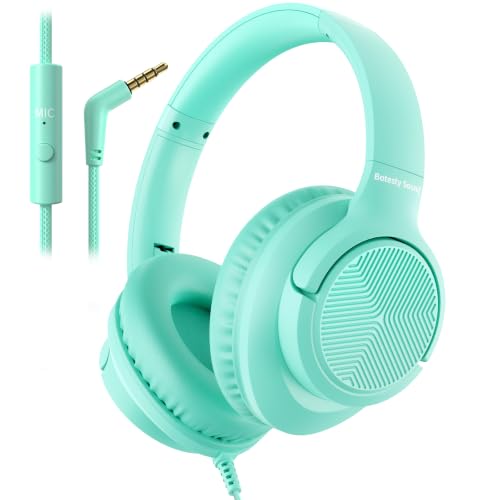
Botesty Sound Wired Headphones with Mic, Green

Botesty Sound Wired School Headphones, Pink

KVIDIO Wired Headphones with Mic, Black
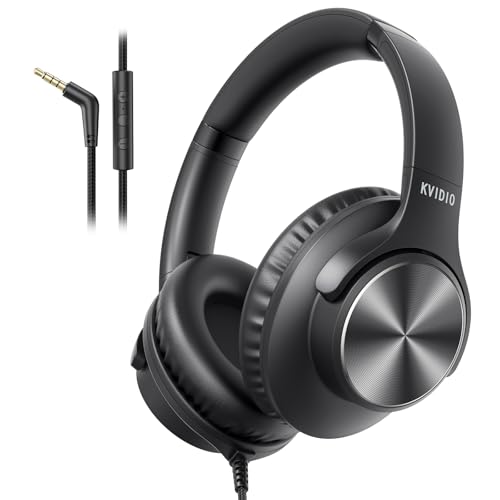
KVIDIO Over-Ear Wired Headphones, Black

Sony MDR-ZX110 On-Ear Headphones, Black
More Details On Our Top Picks
This is the one built for back-to-back calls. The Poly Blackwire 5220 comes from Plantronics, a name long associated with office headsets, and it shows in details like a flexible boom mic that sits close to your mouth and an ergonomic over-ear frame meant to disappear after hour three of meetings.
Connectivity is unusually generous for a wired headset: USB-C, USB-A, and 3.5mm plugs cover your laptop, desktop, and phone, and it plays nicely with Teams and Zoom out of the box. Compared to the budget school picks further down, everything here feels purpose-built for work rather than casual listening.
What Stands Out
- A noise-cancelling boom mic keeps your voice front and center during open-office or home distractions.
- Three connection types mean one headset serves your work laptop and personal phone alike.
- The ergonomic over-ear shape is designed around full workdays, not short listening sessions.
- Native compatibility with Microsoft Teams and Zoom removes setup friction on call-heavy mornings.
Things To Consider
- Being corded, it tethers you to your device, which some owners find limiting when pacing during calls.
- The boom arm is the most delicate part, so stow it carefully in a bag.
Who It Suits Best
Remote professionals and hybrid workers whose days are measured in meetings will get the most from this headset.
Reach For A Different Pick When
Casual music listeners should look at the KVIDIO Bluetooth model instead, since its wireless freedom suits commuting better than a tethered mic setup.
Sixty-five hours of playtime is the headline here, and honestly, that’s the whole pitch. Charge these KVIDIO over-ear headphones once and you can plausibly forget about the cable for two or three weeks of normal use.
Inside each earcup sits a 40mm driver (the speaker component that moves air to create sound), paired with noise isolation that leans on the cushion seal rather than active electronics. For podcasts, playlists, and study sessions, most owners report the tuning lands comfortably balanced. Against the Poly Blackwire above, this trades call-first engineering for everyday wireless convenience at a fraction of the commitment.
Notable Upsides
- The 65-hour battery means weekly charging becomes monthly charging for typical listeners.
- Dual 40mm drivers give music enough body to feel full without harsh treble.
- Over-ear cushions block a surprising amount of bus and cafe rumble passively.
- Wireless pairing works across phones, tablets, and laptops without fuss.
Small Caveats
- Noise isolation is passive only, so loud commutes still bleed through somewhat.
- Plastic construction keeps weight down but owners commonly report treating it gently extends its life.
Made For
Commuters, students, and anyone who wants set-and-forget wireless listening without spending much.
Swap It Out When
Sound customizers will prefer the DOQAUS headphones below, which add selectable EQ modes this model lacks.
Same family as the previous KVIDIO, same 65-hour battery, but this variant puts comfort front and center. The earcups use memory-protein foam, a soft padding material that molds slightly to the shape of your ear instead of pressing against it, which matters enormously during long wear.
At roughly 0.44 pounds with a foldable frame and adjustable headband, it’s light enough that you may forget it’s on your head during a study session or a workout warm-up. The honest read is that this is the version to choose when fit and pressure points have been the problem with cheaper headphones before.
Real-World Strengths
- Memory-protein foam cushions reduce the hot-spot pressure cheaper pads cause over hours.
- The foldable hinge makes it easy to slip into a backpack between classes.
- An adjustable band accommodates different head shapes without clamping hard.
- Long battery life pairs well with people who hate charging routines.
Points To Note
- Featherweight builds often trade away ruggedness, so tossing it loose in a bag risks stress on the hinges.
- Sound signature stays similar to the other KVIDIO models, so audiophiles won’t hear a step up.
Right Fit For
Glasses wearers and anyone sensitive to clamp force will appreciate this variant most.
Another Choice May Suit
Video watchers chasing tighter audio sync should consider the B0BPL7RQNX KVIDIO variant next, which emphasizes lower latency playback.
Latency is the word that separates this KVIDIO listing from its siblings. In plain terms, latency is the delay between what’s on screen and what reaches your ears, and low-latency tuning keeps dialogue and lip movement aligned while streaming video.
You still get the familiar formula: dual 40mm drivers, memory-foam over-ear cushions, and a battery rated for up to 65 hours. The foldable design packs down flat enough for a carry-on side pocket, which is where this pick earns its travel badge. Compared to the comfort-focused variant above, the difference is subtle but real for anyone who watches shows on flights or trains regularly.
Well-Handled Touches
- Low-latency output keeps movies and videos feeling synchronized.
- Foldable cups shrink the footprint for luggage and daily bags.
- 40mm drivers deliver fuller bass than typical budget on-ears.
Where It May Fall Short
- Passive isolation only, so airplane cabin noise remains audible at cruise altitude.
- Owners commonly note the glossy finish picks up fingerprints and needs occasional wiping.
Built With In Mind
Travelers, students watching lectures, and mobile streamers who care about sync more than studio detail.
Look Elsewhere When
Call-focused users will be happier with the Poly Blackwire 5220, whose boom microphone outclasses any inline option here.
DOQAUS pushes the battery race even further with up to 70 hours of playback, and adds something the KVIDIO models skip entirely: three switchable EQ modes. EQ (equalization) changes how bass, mids, and highs are weighted, so you can lean into bass for workouts or flatten things for spoken content.
An ENC microphone (environmental noise cancellation for your voice) helps calls stay intelligible in windier or busier settings, though expectations should stay realistic at this tier. A ten-minute top-up reportedly buys a few extra hours, and the included AUX cable keeps music alive once the battery finally dies. Among the wireless picks here, this is the most flexible listener’s choice.
Good Reasons To Consider
- Three EQ presets let you retune the sound per genre without an app.
- Up to 70 hours of runtime edges out every other wireless option on this list.
- Quick charging rescues forgotten-charge mornings with minutes, not hours.
- The bundled AUX cable doubles its life as a wired backup pair.
Honest Caveats
- ENC helps but won’t match dedicated call headsets in loud rooms.
- More features mean more buttons, and some users report a short learning curve on the controls.
At A Glance
Who Should Grab It
Listeners who like tweaking their sound and hate charging cables will find this the most complete budget wireless package here.
Skip It When
Minimalists who want dead-simple controls may prefer the straightforward KVIDIO Bluetooth pair earlier in the list.
School gear lives a hard life, and cords survive it better than batteries. This Botesty Sound pair plugs straight into any 3.5mm jack, no charging, no pairing, no dead headset five minutes before an online quiz.
The microphone sits on the cable itself, positioned to capture speech clearly during video lessons even with background chatter nearby. One honest limitation: the multi-function button only operates on phones and tablets, and there’s no volume rocker, so volume adjustments happen on the device. That’s a minor trade-off in exchange for simplicity that classrooms and shared family desks tend to reward. The green finish also makes it easy to claim in a crowded house.
Where It Delivers
- Plug-and-play 3.5mm connection works instantly with school laptops and tablets.
- The inline mic handles online classes and voice calls without extra accessories.
- No battery means it’s always ready, term after term.
- A distinct color cuts down on mix-ups with siblings’ gear.
Less Ideal Details
- No on-cable volume control, so changes happen at the device.
- The MFB button is limited to phones and tablets, not computers.
The Right Fit
Elementary and middle school students doing remote learning or computer-lab work are the natural audience.
Consider Something Else When
Adults needing call controls on a PC should step up to the Poly Blackwire 5220, which adds proper desktop integration.
This is the green Botesty pair wearing pink, functionally identical under the color. Same 3.5mm corded design, same cable-mounted microphone tuned for clear speech during video calls and online lessons, same plug-in-and-go routine that younger kids manage without help.
For households juggling multiple learners, offering both colors solves ownership disputes before they start. The caveats carry over too: the multi-function button responds on phones and tablets only, and volume lives on the device itself. Worth noting though, that simplicity is often a feature for kids who lose track of tiny buttons anyway.
Useful Strengths
- Corded reliability means no charging reminders for busy parents.
- The inline mic supports distance-learning calls directly.
- A bright pink shell is easy to spot in backpacks and toy bins.
Trade Offs To Consider
- Limited button support on computers, as with the green sibling.
- Cords can snag on chair arms, so gentle handling extends lifespan.
Whose Shelf It Belongs On
Families with young students, especially kids who pick their gear by color, will find this an easy household addition.
Not Your Match When
Teens wanting wireless freedom would be better served by the KVIDIO Bluetooth headphones from earlier in the list.
Here’s the cheapest ticket into this entire lineup, and unlike the Botesty pairs, it brings an in-line volume slider along for the ride. That small addition turns out to matter in classrooms, where muting a video quickly beats digging through device menus.
The catch, stated plainly by the maker: that volume control doesn’t respond on desktop PCs and some laptops, so there you adjust sound at the source. Devices lacking a headphone jack need a separate adapter too. Neither issue affects tablet-based learning, which is exactly where this black KVIDIO pair tends to live.
Benefits That Matter
- In-line volume adjustment speeds up classroom and commute control.
- Standard 3.5mm plug works across tablets, phones, and most laptops.
- Low cost makes it painless to keep a spare in a bag or drawer.
Details To Watch
- Volume control is unsupported on desktops and certain laptops.
- Newer phones without a jack require an adapter sold separately.
Best Suited To
Tablet-first students and anyone stocking a backup pair for travel or emergencies.
A Better Fit Elsewhere
Desktop learners who want working on-cable controls should check the Botesty Sound green model, which sidesteps the compatibility quirk differently.
Of the wired school picks, this KVIDIO leans hardest into sound quality. Its 40mm drivers push balanced audio with crisper highs and deeper lows than the smaller drivers typically found in this bracket, which makes podcasts and lecture recordings noticeably easier to follow.
The same compatibility notes apply as its sibling reviewed just above: in-line volume control skips desktops and some laptops, and jack-less devices need an adapter. Where it differs is emphasis. You’re trading a touch of convenience for fuller, more detailed playback, and for students who listen to recorded lessons or audiobooks daily, that trade usually pays off.
Noteworthy Benefits
- 40mm drivers deliver richer, more detailed sound than basic school sets.
- Over-ear cups sit around the ear rather than pressing on it.
- Built-in mic and inline controls handle calls and media playback.
Potential Sticking Points
- Inline volume doesn’t work on desktops or select laptops.
- Devices without a 3.5mm jack need a purchased adapter.
The Numbers That Matter
Who Will Love This
Podcast devotees and students who consume recorded lectures daily will hear the difference immediately.
Where A Sibling Pick Shines
Shoppers prioritizing rock-bottom cost over sound depth will find the cheaper KVIDIO volume-control model sufficient.
Sony’s ZX series has been a quiet staple for years, and the MDR-ZX110 explains why. These are on-ear headphones, meaning the pads rest on the ear rather than surrounding it, which keeps them compact enough to slide into a jacket pocket or glove box.
Inside are 1.38-inch neodymium drivers, a magnet material known for strong output from small housings, delivering a punchy response that suits pop and upbeat playlists well. The swiveling earcups fold flat for storage. There’s no microphone and no inline controls, so this is purely a listening tool, but as a trusted-brand fallback that costs little and travels light, few wired pairs match its staying power.
Strengths Worth Knowing
- Neodymium drivers produce lively, energetic sound from a tiny frame.
- Swiveling earcups fold flat for genuinely pocketable storage.
- Sony’s long production run means replacement parts and familiarity are easy to come by.
Things To Weigh Up
- No microphone or controls, so calls require a different headset.
- On-ear pads press lightly on the ear, and some wearers notice fatigue over long sessions.
Perfect Match For
Commuters and travelers who want a compact, reliable spare that disappears when folded.
Another Choice May Suit
Students needing a microphone for classes should choose the KVIDIO over-ear wired pair instead, since it includes call capability.
What Matters Most Before Choosing Reasonable Headphones
Start With Your Main Use Case
Calls, music, and study sessions pull designs in different directions. Boom-mic headsets like the Poly Blackwire excel in meetings, while driver-focused pairs serve listeners better. Naming your dominant activity first narrows the field faster than any spec sheet.
Comfort Outlasts Everything Else
Earcup style decides whether hour three feels fine or painful. Over-ear cushions surround the ear and spread pressure, while on-ear pads rest directly on it and stay lighter but firmer. Memory foam and adjustable bands earn their keep on long sessions.
Battery Versus Cord Trade-Off
Wireless freedom costs charging discipline, though 65 to 70-hour ratings make that nearly painless. Cords never die mid-song but tether you to the desk. Match the format to your movement habits, not the spec sheet’s biggest number.
Compatibility Details Bite Later
Several wired picks here restrict inline controls to phones and tablets, and modern devices without headphone jacks need adapters. Checking those two details before ordering prevents the most common returns in this category.
Key Considerations Across These Picks
Wrong Turns To Avoid
The classic mistake is buying for one impressive number, like battery hours, while ignoring whether the mic works with your actual devices. Another trap: assuming all inline buttons behave identically everywhere. Read the compatibility notes closely, then decide.
The Case For Spending Up
Higher-tier models buy better drivers, real noise handling, and durable materials rather than flashy extras. The Poly headset’s meeting-grade mic and the DOQAUS tuning options show where extra dollars land. Casual listeners rarely need that leap; heavy daily users usually do.
Frequently Asked Questions
Are wired headphones still worth buying in 2026?
Absolutely, especially for students and desk workers who value zero-charging reliability. They also cost less and last longer than comparable wireless pairs.
How long do budget headphone batteries really last?
Ratings like 65 or 70 hours reflect moderate volume levels. Cranking volume and leaving Bluetooth active typically shortens real-world runtime somewhat.
Do cheap headphones work for video calls?
Many do, though cable-mounted mics vary in clarity. Dedicated boom-mic designs such as the Poly Blackwire handle noisy rooms noticeably better.
What if my phone has no headphone jack?
You’ll need a small 3.5mm adapter, usually sold separately. Wireless models sidestep the issue entirely.
Can inexpensive headphones sound good?
Yes, particularly with 40mm drivers, which deliver fuller bass than smaller units. Expectations should stay realistic, but daily listening quality is genuinely solid at this level.
Closing Thoughts
Reasonable doesn’t have to mean compromised. The Poly Blackwire 5220 anchors the list for professionals, the DOQAUS and KVIDIO wireless pairs cover long-battery listening, and the wired school options keep households running without chargers. Match the pick to your busiest typical day, double-check the compatibility notes, and any of these will serve you well. Happy listening.
