


Good audio shouldn’t cost a paycheck. Whether you’re juggling video calls from a spare bedroom, packing a bag for class, or grinding through workouts, this list covers ten pairs that keep money in your pocket without sounding cheap. Each one earns its spot through real features you’ll actually use, from noise cancelling to marathon batteries.
Your Options, Compared

Poly Blackwire 5220 Wired Headset

KVIDIO Over-Ear Wired Headphones with Mic (Blue)

KVIDIO Over-Ear Wired Headphones with Mic (Pink)

KVIDIO Over-Ear Wired Headphone with Mic (Purple)

DOQAUS Bluetooth Over-Ear Headphones, 70H Playtime

Soundcore by Anker Q20i Hybrid ANC Headphones (Black)
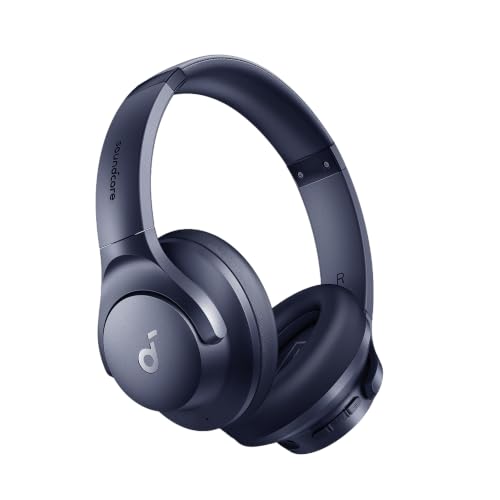
Soundcore by Anker Q20i Hybrid Active Noise Cancelling Headphones (Blue)

Soundcore Q20i Hybrid Noise Cancelling Headphones (Pink)
GNMN V7 Sport Earbuds with Earhooks

ZIHNIC Bluetooth Over-Ear Foldable Headset
A Breakdown Of The Leading Choices
Most budget headsets treat calls as an afterthought. The Blackwire 5220 doesn’t, because Poly built its reputation on office audio before the work-from-home era made everyone care. The flexible boom mic sits close to your mouth, so teammates hear you rather than the room around you.
Three connection options come standard: USB-C, USB-A, and plain 3.5mm, which means one headset can hop between a laptop, a desktop dock, and even a phone. Compatibility with Microsoft Teams and Zoom makes setup nearly automatic in most meeting apps.
What Helps Most
- The noise-cancelling boom mic keeps your voice clear over keyboard clatter or household background noise.
- Triple connectivity (USB-C, USB-A, 3.5mm) lets one headset serve multiple devices without adapters.
- An ergonomic over-ear shape is designed to stay comfortable through back-to-back meetings.
- Certified-style compatibility with Teams and Zoom cuts down on fiddly configuration.
Things To Consider
- Being fully wired, the cable will always tether you to your desk, which some people find restrictive after a few weeks.
- It’s tuned for voice calls first, so music sounds flatter than dedicated entertainment headphones.
Key Specs
Who It Suits Best
Remote workers and hybrid employees who spend hours daily on Teams or Zoom calls.
Where Another Pick Suits Better
Music-first listeners who hate cables will prefer the wireless DOQAUS Bluetooth Over-Ear Headphones instead.
School bags are rough on electronics, and that’s where this navy-blue pair earns its keep. The earcups swivel 90 degrees so they lie flat when folded into a backpack, and the whole frame folds down small enough to disappear between textbooks.
A 4.9-foot tangle-free cord reaches from a desk outlet area to most seating positions without yanking. The in-line remote handles volume and playback on phones and tablets, though desktop users should adjust volume through their computer instead.
Features That Help
- Ninety-degree swiveling earcups make folding flat and storing in tight bags effortless.
- A long 4.9-foot cord gives kids room to move at a desk without unplugging anything.
- The built-in microphone supports online classes and voice chats on devices with a headphone jack.
- Over-ear padding blocks some ambient chatter in shared study spaces.
Small Caveats
- The in-line volume button isn’t supported on many desktops and laptops, so volume gets adjusted on the device itself.
- Newer phones lacking a 3.5mm jack require a separate adapter, an extra piece that’s easy to lose.
Who Should Grab It
Students and tablet users who want a foldable, no-fuss wired pair for schoolwork and travel.
A Better Fit Elsewhere
Anyone needing true noise cancelling for loud commutes will get more from the Soundcore Q20i below.
Same hardware as the blue version above, wrapped in a pink finish that younger listeners tend to claim instantly. Nothing to charge, nothing to pair: plug the 3.5mm plug in and audio starts. For a first pair of headphones, that simplicity matters more than any spec sheet.
Inside sit 40mm drivers, the round speaker components that determine how full music sounds. At this size they deliver balanced output with enough bass for videos and podcasts without overwhelming dialogue.
Positive Takeaways
- 40mm drivers produce clear stereo sound that handles music, lessons, and shows equally well.
- Zero charging means it works the moment it’s plugged in, ideal for kids who forget cables.
- Foldable construction survives being crammed into backpacks day after day.
Points To Note
- Devices without a headphone jack need a conversion adapter sold separately.
- Owners commonly report the padded headband benefits from gentle handling to keep its shape over time.
- In-line controls behave inconsistently across desktop computers.
Right Fit For
Younger students and anyone buying a straightforward first wired headset for a tablet or phone.
Swap It Out When
Heavy-duty daily callers should step up to the Poly Blackwire 5220 for its superior boom mic.
The purple sibling rounds out the KVIDIO trio, and honestly the choice between them comes down to color preference. Identical 40mm drivers, identical swivel-and-fold design, identical 3.5mm plug. In a household where siblings fight over gear, having distinct colors ends the argument cheaply.
What makes these practical for shared homes is the tangle-resistant cord. Fewer knots means fewer snapped wires, which is historically the number-one killer of budget wired headphones in busy families.
What Pays Off
- The tangle-free cord design reduces the wire damage that commonly ends cheap headphone life early.
- Fold-flat swivel cups pack neatly into shared drawers and travel bags.
- Over-ear isolation helps multiple people watch different content in one room without shouting.
Honest Caveats
- Volume control via the in-line remote won’t respond on most desktop machines.
- Jackless phones and tablets demand an adapter you’ll need to track down.
- Padding, based on typical wear patterns reported by owners, flattens with heavy daily use.
Built With In Mind
Households equipping several family members with affordable, color-coded wired headphones.
Reach For A Different Pick When
Wireless freedom tops your wishlist, then the ZIHNIC Bluetooth Over-Ear Foldable Headset fits better.
Battery anxiety ruins travel more than turbulence does. DOQAUS attacks that problem head-on with a claimed 70-hour playtime, which translates to weeks of commuting or several long-haul flights between charges. Even better, a short 10-minute top-up reportedly adds roughly three hours of listening when you’re rushing out the door.
An ENC mic, short for environmental noise cancellation, filters background sound from your calls so the person on the other end hears your voice, not the airport. Three EQ modes let you shift the tuning between bass-heavy, balanced, and vocal-focused profiles depending on what’s playing.
Good Reasons To Consider
- Roughly 70 hours of playback per charge outlasts nearly every trip you’ll take.
- Quick charging rescues forgotten-cable mornings with hours of use in minutes.
- Switchable EQ modes adapt the sound signature to podcasts, pop, or bass-driven tracks.
- The ENC mic keeps call audio intelligible in noisy surroundings.
- An included AUX cable provides a wired fallback when the battery dies mid-flight.
Trade Offs
- No active noise cancelling, so engine drone still comes through on planes.
- EQ switching requires pressing buttons on the earcup, which takes some muscle memory.
At A Glance
Made For
Frequent travelers and commuters who prioritize battery endurance above everything else.
Look Elsewhere When
Loud environments call for the Soundcore Q20i, whose active noise cancelling actually silences them.
Active noise cancelling used to live exclusively in three-hundred-dollar territory. Anker’s Q20i drags it down to earth using four microphones, two inside each earcup and two outside, working together to counteract ambient sound. The company claims up to 90% reduction of low-frequency rumble, the kind trains, buses, and open offices generate constantly.
Oversized 40mm drivers handle the fun part, and BassUp technology pushes low frequencies harder for genres that live there. In our view, this is the pick that changes daily life most noticeably: putting it on in a crowded commute feels like turning the world’s volume knob down.
Where It Delivers
- Hybrid ANC with four microphones meaningfully quiets train, bus, and office drone.
- 40mm dynamic drivers deliver detailed sound with punchy, satisfying bass.
- BassUp boosts low-end response for bass-forward playlists.
- Companion app support allows custom EQ adjustments beyond factory tuning.
- Over-ear cushioning stays comfortable through long listening stretches.
Less Ideal Details
- ANC performance drops sharply when using the wired AUX input, since processing switches off.
- Wind noise outdoors can interfere with the microphones’ effectiveness.
Quick Facts
The Right Fit
Commuters, open-plan office workers, and frequent flyers who want genuine quiet on a modest budget.
Consider Something Else When
Pure call quality matters most, since the Poly Blackwire 5220’s boom mic outperforms it for meetings.
Identical engineering to the black Q20i, offered here in a blue finish that stands out without shouting. Four microphones filter background clamor whether you’re packed into a rush-hour carriage or working near chatty coworkers, keeping every beat clean underneath.
One detail worth knowing: plugging in the AUX cable bypasses the noise cancelling entirely. Wireless mode is where these shine, with BassUp delivering deep lows and crisp highs that suit electronic, hip-hop, and pop catalogs especially well.
Noteworthy Benefits
- Four-mic hybrid system suppresses street and office noise convincingly in wireless mode.
- BassUp tuning gives bass-heavy genres real weight without smothering vocals.
- The blue colorway offers personality while matching the black model feature-for-feature.
Worth Bearing In Mind
- Noise cancelling is unavailable in AUX-in mode, limiting its usefulness as a wired backup.
- Earcup surfaces, as with most matte finishes, tend to show fingerprints and need occasional wiping.
Whose Shelf It Belongs On
Wireless-first listeners who want proven ANC tech in a color that isn’t basic black.
Another Choice May Suit
Gym-goers needing sweat resistance and a locked-in fit belong with the GNMN V7 Sport Earbuds instead.
The pink Q20i closes out the Soundcore trio, carrying the same four-microphone hybrid system and BassUp-equipped 40mm drivers as its black and blue siblings. Color is genuinely the only difference, but that matters: a headset you enjoy looking at is one you’ll actually wear every day.
You may find the over-ear cushions particularly pleasant during long study or work sessions, since the pads surround the ear rather than pressing on it. That design spreads pressure evenly, which is why over-ear styles generally beat on-ear models for marathons of wear.
Useful Strengths
- Hybrid ANC quiets busy streets, transit, and shared workspaces in wireless mode.
- BassUp delivers deep, punchy low end alongside clear highs.
- The pink finish adds warmth and personality to a usually monochrome category.
Potential Sticking Points
- Like all Q20i variants, ANC shuts off when running on the AUX cable.
- Light-colored finishes may show scuffs more visibly over months of daily handling.
A Good Home For
Style-minded students and remote workers wanting capable noise cancelling in a softer palette.
Not Your Match When
Budget is the deciding factor, since the KVIDIO wired pairs cost considerably less for casual listening.
Earbuds that fall out mid-run ruin workouts faster than bad weather. GNMN solves that with over-ear hooks, flexible arms that wrap behind each ear and lock the buds in place through sprints, burpees, and head-shaking playlist moments. Combined with an IPX7 rating, meaning the housing withstands sweat and rain exposure, these are built specifically for movement.
The charging case carries enough reserve power to push total playback toward a claimed 96 hours, and a dual battery display on the lid shows remaining charge for both buds and case at a glance. No guessing games before a session.
The Good Stuff
- Earhook design keeps buds anchored during running, jumping, and lifting.
- IPX7 water resistance shrugs off sweat and rainy-day runs.
- Combined playback approaching 96 hours with the case means rare charging.
- The dual battery display removes guesswork about remaining power.
- Active noise cancelling trims gym and street background hum.
Details To Watch
- Earhooks take a few sessions to feel natural for newcomers to the style.
- Charging contacts inside the case benefit from an occasional dry wipe to maintain reliable charging, a common maintenance point owners mention.
Feature Snapshot
Suited To
Runners, gym regulars, and outdoor exercisers who need buds that never budge.
Where A Sibling Pick Shines
Desk-bound listeners wanting full-size comfort will find the ZIHNIC over-ear headset more relaxing.
Flexibility is this black-and-green pair’s whole personality. It plays wirelessly over Bluetooth, accepts a wired connection when the battery runs dry, reads music straight from a Micro SD/TF memory card, and even tunes in FM radio stations without any paired device at all. Few headphones at any price cover that many bases.
Soft earmuffs and a lightweight frame make extended sessions easy on your ears and neck, which matters for study nights or long gaming stretches. The foldable hinge collapses it into a compact shape for bags.
The Value In It
- Four listening modes (Bluetooth, wired, memory card, FM radio) cover nearly every scenario.
- Soft cushioned earmuffs reduce fatigue during prolonged wearing.
- A lightweight build suits long flights, study sessions, and lazy Sundays alike.
- Foldable construction packs down small for travel storage.
Factors To Consider
- There’s no active noise cancelling, so loud environments still intrude.
- Button placement on the earcup, per common owner feedback, takes practice to operate without looking.
Core Details
Who Will Love This
Home listeners who want one versatile headset for music, radio, and card-stored libraries without spending much.
Skip It When
Your priority is silencing airplane engines, because the Soundcore Q20i handles that far better.
What Matters Before You Commit To A Pair
Match The Style To Your Day
Over-ear cups surround the ear and spread pressure across a wider area, which is why models like the Soundcore Q20i stay comfortable through eight-hour days. Earbuds with hooks, such as the GNMN V7, trade some comfort for stability during movement. Commuters lean toward closed over-ear designs; runners rarely do.
Decide Between Wired And Wireless Early
Wired options like the KVIDIO and Poly Blackwire never need charging and cost less, but the cable anchors you. Wireless pairs free your movement yet add charging to your routine. Frequent flyers almost always prefer wireless with an AUX fallback, exactly what the DOQAUS and ZIHNIC provide.
Understand What Noise Cancelling Actually Does
Active noise cancelling uses tiny microphones to detect ambient sound and cancel it with opposing audio waves. It excels against steady low-frequency hum like engines and air conditioning, and struggles with sudden sharp noises. Open-office workers and transit riders notice the biggest difference.
Check Device Compatibility Before Ordering
Newer phones often lack a 3.5mm jack, which turns any wired pick into a two-piece setup requiring an adapter. In-line remotes frequently misbehave on desktop computers, as the KVIDIO listings openly note. Two minutes of checking saves a frustrating return later.
Key Considerations Across These Picks
Traps First Timers Fall Into
The most common slip is buying for one impressive spec while ignoring daily reality. A huge battery number means little if the fit hurts after an hour, and flashy bass ratings won’t help during calls if the microphone picks up every background noise. Another frequent mistake: ordering wired headphones for a jackless phone without budgeting for an adapter. Read the fine print on control compatibility too, since in-line buttons often don’t function on desktops.
Why Top Tier Costs More
Stepping up in price typically buys active noise cancelling hardware, better driver tuning, and sturdier materials. The Q20i’s four-microphone array costs more to build than passive foam isolation ever will. Paying more pays off mainly for people exposed to constant ambient noise or those wearing headphones six-plus hours daily. Casual listeners using theirs an hour a day in quiet rooms gain surprisingly little from the upgrade.
Frequently Asked Questions
Are reasonably priced headphones good enough for everyday use?
For most daily scenarios like commuting, studying, and casual calls, absolutely yes. Modern budget models include features like hybrid ANC and 70-hour batteries that were premium-only a few years ago.
Do wired headphones still make sense in 2026?
They do, especially for desk work and kids’ gear where charging becomes a chore. Wired pairs also skip latency entirely, which gamers and video editors appreciate.
What does IPX7 mean on sport earbuds?
It indicates the enclosure can handle immersion in water up to a meter deep briefly. Practically, that covers heavy sweat and rain, though you shouldn’t swim with them.
Can I use these headphones for work video calls?
Yes, several picks here are call-capable, led by the Poly Blackwire 5220 with its dedicated boom mic. Models with ENC filtering also handle calls well in noisier settings.
How long should budget headphones last?
With reasonable care, one to three years is a realistic expectation for most pairs under this price bracket. Cord strain and worn earpad foam are typically the first failure points, both manageable with gentle handling.
Wrap Up
Ten picks, ten different problems solved. Remote workers get their match in the Poly Blackwire, commuters find quiet with the Soundcore Q20i trio, athletes lock in with the GNMN V7, and students stretch a budget across the colorful KVIDIO lineup. Start with your dominant use case, weigh wired versus wireless honestly, and the right pair on this list becomes obvious quickly. Your ears, and your wallet, will thank you.
