


Reference headphones exist for one reason: honesty. You want to hear what’s actually in the recording, not what a bass boost thinks you should hear. Whether you’re mixing vocals at midnight, tracking takes in a spare room, or just tired of consumer tuning that smears detail, this list covers ten options built around accuracy rather than flash.
The range here runs from budget wired monitors to handcrafted open-back designs costing several times more. Some are wireless and commute-friendly, others are pure studio tools that never leave the desk. Match the pick to your room, your gear, and your ears, and you’ll get years of trustworthy listening out of any of them.
The Choices Worth Comparing
Audio-Technica ATH-M20xBT Wireless Over-Ear Headphones (Black)

Audio-Technica ATH-R50X Open-Back Headphones

HD 490 PRO Open-Back Professional Headphone
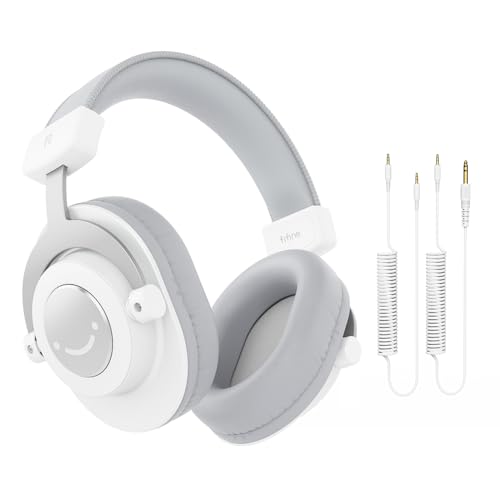
FIFINE HD8W Studio Monitor Headphone with 50mm Drivers

Sony MDR-M1 Reference Closed Monitor Headphones

AKG Pro Audio K701 Reference Class Premium Headphones (White)

Sony MDR7506 Professional Large Diaphragm Headphone

Audio-Technica ATH-M20x Professional Studio Monitor Headphones (Black)

Audio-Technica ATH-M20xBTWH Wireless Over-Ear Headphones (White)

OneOdio Wired DJ Hi-Res Over-Ear Headphones (Black)
A Deeper Look At The Lineup
Most wireless headphones chase bass at the expense of everything else, so a Bluetooth model carrying genuine studio DNA stands out immediately. This one borrows its tuning from Audio-Technica’s long-running M-Series wired monitors, pairing 40 mm drivers with a low-frequency emphasis that still keeps mids and highs legible.
In daily use, that translates well for anyone juggling playlists, podcasts, and rough mixes on the same pair. Commuters get over-ear comfort without a charging ritual every night, which is more than most budget wireless sets manage.
What Earns Its Place
- Wireless freedom without abandoning the balanced M-Series sonic character many producers already trust.
- Over-ear cups sit fully around the ear, so longer listening blocks stay comfortable.
- Bass response has real weight, giving modern tracks punch while vocals remain forward.
- No cable means no snagged wires at your desk or on transit.
A Few Limitations
- Bluetooth compression narrows the fine detail that dedicated wired reference models reveal.
- Earpad foam compresses over years of daily wear, and replacements add ongoing cost.
The Right Fit
You’ll get the most from these if you want one pair handling commutes, study sessions, and casual mix checks without ever plugging in.
Where A Sibling Pick Shines
Mixing engineers who need uncompromised detail should step up to the Sony MDR-M1 below, whose wider bandwidth serves critical decisions far better.
Open-back means the earcups vent to the room instead of sealing sound inside, trading isolation for a wider, more natural sense of space. The R50X leans into that trade deliberately, reworking driver architecture from Audio-Technica’s flagship R70x line to keep low-end surprisingly present despite the open design.
Where the wireless ATH-M20xBT above prioritizes convenience, this one exists purely for judgment calls: panning, reverb tails, whether a vocal sits right. In a quiet treated room, few things at this tier place instruments so convincingly around your head.
Strengths Worth Knowing
- Ventilated earcups create an expansive stage, letting you judge stereo placement with confidence.
- Driver lineage traces back to the respected R70x, bringing proven reference tuning down a price tier.
- Low frequencies hold their footing better than most open-back designs manage.
- Accuracy up top helps you catch harsh sibilance before it ships in a final mix.
Things To Consider
- Sound leaks both ways, so bandmates and housemates will hear everything you play.
- Open grilles collect dust over time and need gentle, regular cleaning to stay clear.
Made For
This suits engineers and audiophiles doing critical listening in quiet, controlled rooms where leakage isn’t a concern.
Skip It When
Noisy apartments call for a sealed design instead, and the FIFINE HD8W later in this list handles loud environments far more gracefully.
Sennheiser built the HD 490 PRO for the moment a mix goes from good to finished. Its open-back enclosure spreads sound across a dimensional stage, and the handcrafted assembly shows in how precisely each element lands. Compared to the ATH-R50X, this feels like the more deliberate tool: less about musical enjoyment, more about surgical decisions.
Long mastering sessions are where it earns its keep, since comfort and clarity both hold up hour after hour. The honest caveat is cost, because you’re paying for professional-grade consistency rather than casual fun.
What Helps Most
- Ultra-precise reproduction exposes masking issues between instruments that cheaper headphones smooth over.
- The wide, dimensional presentation makes depth cues like reverb placement obvious.
- Handcrafted construction suggests durability suited to daily studio abuse.
- Clarity stays intact at low monitoring volumes, protecting late-night hearing and neighbors alike.
Potential Sticking Points
- Open-back acoustics demand a quiet space, ruling out shared offices and loud homes.
- Premium pricing puts it beyond first-studio budgets, at least initially.
Feature Snapshot
Who Should Grab It
Working producers and mastering hobbyists who make final calls daily will find the precision worth stretching for.
Swap It Out When
Newcomers building a first setup should start with the ATH-M20x further down, then graduate here once their ears and projects demand more.
Fifty-millimeter drivers are genuinely large for a headphone at this price, and they give the HD8W a dynamic punch that smaller drivers struggle to match. FIFINE aimed it squarely at home vocalists tracking takes in untreated bedrooms, where a sealed cup and clear midrange matter more than exotic materials.
The white finish is a nice change from endless black plastic, though it does show scuffs sooner. For singers hearing themselves properly for the first time, that clarity alone can improve performances.
What It Does Well
- Oversized 50 mm drivers deliver rich low end and bright treble, revealing take-to-take differences clearly.
- Sealed over-ear cups isolate your click track from the microphone during recording.
- Soft leather-style padding keeps multi-hour tracking sessions comfortable.
- Strong dynamic range lets quiet passages and loud peaks coexist without strain.
Small Caveats
- Leatherette cushions can warm up and sweat during extended summer sessions.
- Treble emphasis may feel sharp to listeners used to warmer consumer tuning.
- Long-term durability is less documented than legacy brands like Sony offer.
Quick Facts
Right Fit For
Home recordists tracking vocals on modest budgets get the most value here by a wide margin.
Another Choice May Suit
Anyone wanting battle-tested reliability should consider the Sony MDR7506 next, a studio staple with decades of field history behind it.
Frequency response numbers rarely tell the whole story, but a stated 5 Hz to 80 kHz range says something real about driver headroom. The MDR-M1 uses that ultra-wideband playback to keep transient detail intact, and its closed acoustic structure adds the isolation open-back rivals like the HD 490 PRO simply can’t provide.
That combination makes it rare: reference-grade accuracy that works outside a treated room. Content creators cutting voiceovers next to a busy street, or producers sharing walls with family, get honest sound without broadcasting it.
Why It Works Well
- Ultra-wideband reproduction preserves fine harmonic detail across wildly different source material.
- Closed construction isolates external noise, keeping mixes honest in imperfect spaces.
- Well-balanced tuning means no frequency range hypes itself at another’s expense.
- High-resolution capability future-proofs it against hi-res production formats.
- Accurate isolation also protects recordings from click-track bleed into live mics.
Points To Note
- Closed cups trap heat faster than ventilated designs during marathon sessions.
- Detail this revealing makes poorly produced source material uncomfortable to hear.
Core Details
Best Suited To
Professional creators working in non-ideal acoustic spaces who refuse to compromise on tonal accuracy.
Look Elsewhere When
Budget-limited beginners will find the ATH-M20xBT delivers a friendlier wireless experience at a fraction of the commitment.
Flat-wire voice coils are the K701’s party trick: winding the coil flat instead of round reduces mass, so the diaphragm starts and stops faster. Transients, the sharp attack of a snare or plucked string, come through with unusual definition. AKG pairs that with a two-layer Varimotion diaphragm splitting duties between sparkling highs and controlled bass.
Each unit is individually tested and numbered, which tells you something about the company’s confidence. The white finish and sculpted 3D-formed pads look unlike anything else on this list, and the padded leather headband wears lightly over long analytical sessions.
Where It Helps
- Flat-wire coil technology yields exceptionally accurate transient response.
- Varimotion dual-layer diaphragm balances airy highs against grounded bass.
- Individually tested units promise consistency from one headphone to the next.
- Genuine-leather headband and shaped pads stay comfortable through long listening blocks.
Less Ideal Details
- Open-back design leaks heavily, making it unsuitable for shared or noisy rooms.
- Its demanding nature benefits noticeably from a decent headphone amplifier.
- Light-colored finish shows wear and requires careful handling to stay presentable.
Who Will Love This
Analytical listeners with quiet rooms and quality amplification who savor detail above all else.
Not Your Match When
Tracking musicians need isolation instead, which points straight to the sealed FIFINE HD8W earlier in this roundup.
Walk into almost any radio station or recording booth worldwide and you’ll spot the MDR7506 hanging on a hook somewhere. Neodymium magnets, which pack strong magnetic force into tiny drivers, let the 40 mm units deliver detailed sound efficiently from nearly any source. The closed ear design blocks enough external noise for confident monitoring in loud control rooms.
The folding yoke and included carry case make it travel-ready, and the gold-plated plug resists corrosion over years of plugging and unplugging. One quirk owners know well: the coiled cord isn’t detachable, so treat it gently.
Standout Benefits
- Neodymium-driven 40 mm drivers produce powerful, detailed sound from modest amplification.
- Closed design offers outstanding reduction of ambient noise during tracking.
- Folds compactly into the supplied case for location work and travel.
- Gold-plated connector maintains clean signal contact over years of use.
Details To Watch
- The fixed 9.8-foot cord cannot be swapped if it fails, a widely reported frustration.
- Ear pads flatten with heavy use and are a common replacement purchase.
The Numbers That Matter
Whose Shelf It Belongs On
Podcasters, broadcasters, and working engineers wanting a proven daily monitor they can trust without thinking.
Reach For A Different Pick When
Listeners craving a wider soundstage for mixdown should audition the AKG K701 instead, whose open design breathes more freely.
Nearly every engineer’s story starts here or somewhere like it. The ATH-M20x wraps 40 mm drivers with copper-clad aluminum wire voice coils and rare earth magnets in a no-nonsense closed shell tuned with extra low-end energy. Nothing about it is fancy, and that’s the point: it does the tracking job without distracting you or draining your budget.
The single-side cable exit keeps one side of your workspace clear, a small touch you’ll appreciate once a desk gets crowded. Against the pricier MDR-M1, you sacrifice refinement, not usefulness.
What Pays Off
- Rare-earth magnet drivers with CCAW voice coils deliver clean, dependable monitoring.
- Circumaural fit contours around the ears, blocking noise in loud environments.
- Enhanced low-frequency tuning flatters bass-heavy genres during casual checks.
- Single-side cable routing keeps your recording area tidy.
Trade Offs To Weigh
- Bass-forward tuning colors judgment slightly versus the flatter Sony MDR-M1.
- Plastic construction feels utilitarian rather than premium in hand.
Built With In Mind
Students and first-time studio builders wanting a legitimate wired monitor without overspending.
Consider Something Else When
Anyone needing wireless convenience for commuting should jump to the ATH-M20xBT at the top of this list instead.
This is the black ATH-M20xBT from our first slot wearing a cleaner wardrobe, plus a built-in microphone for calls. Everything that made the original appealing carries over: 40 mm drivers tuned for enhanced bass, a lightweight frame, and studio-informed tuning descended from the wired M20x.
The headline difference is stamina. Sixty hours of battery life means charging roughly once a month for typical users, and multipoint pairing keeps a laptop and phone connected simultaneously, so lectures and calls flow together without menu diving. Students living out of backpacks will feel the difference within a week.
The Case For It
- Up to 60 hours per charge removes battery anxiety from weekly routines.
- Multipoint pairing switches smoothly between phone and computer.
- Built-in mic handles calls and virtual meetings without extra hardware.
- Studio-derived tuning with boosted bass keeps everyday music engaging.
- Lightweight build spares your neck on long travel days.
Factors To Consider
- Bluetooth transmission limits resolution compared to wired reference picks.
- White surfaces show dirt and require occasional gentle wiping.
Product Snapshot
Who It Suits Best
Students, commuters, and remote workers wanting long-lasting wireless sound with a studio pedigree.
Where Another Pick Suits Better
Critical mixing work belongs on the wired ATH-M20x, whose uncolored signal path leaves nothing lost in transmission.
Not everyone shopping this category sits behind a mixing console. Guitarists practicing through an interface, DJs cueing tracks, keyboard players running silent late-night sessions: all need big, forgiving sound on a wire. OneOdio answers with 50 mm neodymium-magnet drivers pushing assertive bass alongside clear vocals, plus the flexible wiring DJ booths demand.
Stretchable adjustment and thickly padded cushions make extended wear easy, and effective passive isolation helps in noisy venues. Next to the FIFINE HD8W it trades some vocal-recording focus for broader instrument versatility.
Noteworthy Benefits
- Large 50 mm drivers with neodymium magnets deliver punchy bass and crisp highs.
- Soft padded cushions block a useful amount of surrounding noise.
- Adjustable stretchable headband accommodates different head sizes comfortably.
- Hi-res-oriented tuning handles dense electronic material without congestion.
Worth Bearing In Mind
- Bass emphasis tilts the balance away from strictly neutral reference work.
- Cushion surfaces attract lint and benefit from periodic cleaning.
Perfect Match For
Bedroom DJs, guitar students, and instrumentalists wanting one rugged wired pair for practice and play.
A Better Fit Elsewhere
Vocalists chasing accurate take monitoring will prefer the FIFINE HD8W, whose brighter treble reveals mouth noise and sibilance more readily.
What Matters Before Choosing Reference Headphones
Open-Back Versus Closed-Back
Open-back cups vent sound outward, creating a spacious presentation ideal for mixing in quiet rooms, but they leak audio in both directions. Closed-back designs seal around your ears, trading some spatial width for isolation. Recording artists almost always need closed backs to stop click tracks bleeding into microphones, while mix engineers in silent studios often prefer the openness.
Driver Size And Tuning
Driver diameter hints at air-moving ability, with 50 mm units generally producing fuller dynamics than 40 mm ones. Size matters less than tuning, though. A flat, neutral response reveals mix flaws, whereas bass-enhanced tuning flatters casual listening. Decide honestly which job your headphones will do most often before comparing numbers.
Wired Versus Wireless
Bluetooth adds convenience and, increasingly, serious battery life, but compression trims the finest detail that reference listening depends on. Wired connections remain the standard wherever accuracy decides outcomes. Plenty of people own both: a wireless pair for daily life and a wired monitor for the moments that count.
Comfort And Long Sessions
Ear pad material, clamp force, and headband padding determine whether hour six feels as good as hour one. Leatherette cushions seal well but run warm, while lighter builds reduce neck fatigue. Anyone monitoring daily should weigh comfort as seriously as sound quality.
Key Considerations Across These Picks
Traps First Timers Fall Into
Chasing the biggest driver size or the widest claimed frequency range leads plenty of shoppers astray. Tuning and fit shape your experience far more than spec-sheet extremes. Another common slip is buying an open-back model for a noisy bedroom, then wondering why the whole household hears your session. Match the acoustic design to your actual room first.
What Separates Premium From Basic
Higher-tier models invest in tighter manufacturing tolerances, better materials, and individually verified consistency, which is why something like the HD 490 PRO costs multiples of an entry monitor. That money buys confidence: the same mix translates the same way tomorrow. Casual listeners rarely need it, but professionals billing clients usually find the upgrade pays for itself in fewer revision rounds.
Frequently Asked Questions
Are reference headphones good for everyday music listening?
They can be, especially models with slight bass enhancement like the ATH-M20x line. Purists may find strictly neutral tuning less exciting than consumer-tuned alternatives.
Do open-back headphones leak sound?
Yes, significantly. Anyone nearby hears your audio, and outside noise enters freely, so they suit private, quiet spaces only.
Can I use reference headphones for gaming?
Absolutely, particularly open-back models whose wide soundstage aids positional awareness. Closed-back versions work better in shared households.
Is a headphone amplifier necessary?
Many modern monitors run fine from phones and laptops. Higher-impedance reference models like the AKG K701 benefit noticeably from dedicated amplification.
How long do studio headphones typically last?
Well-made pairs routinely serve five to ten years. Ear pads and cables are the usual wear points, and most are replaceable.
Closing Thoughts
Choosing among these ten comes down to matching the tool to the room. Quiet studio, go open-back. Noisy apartment, sealed cups. Constant travel, wireless wins. Start with the scenario you actually live in rather than the spec sheet, and any pick here will serve you honestly for years. Trust your own ears above everything else.
