


You want a machine that can handle games without turning every session into a compromise. For starter gaming laptops, that usually means enough graphics muscle, a screen that keeps motion clean, and storage that doesn’t force constant housekeeping.
The seven picks below lean toward different kinds of setups, from lighter everyday use to more serious gaming hardware. Some favor value and flexibility, while others are better suited to you if you care more about smoother frame pacing, sturdier builds, or a nicer display.
The Shortlist At A Glance
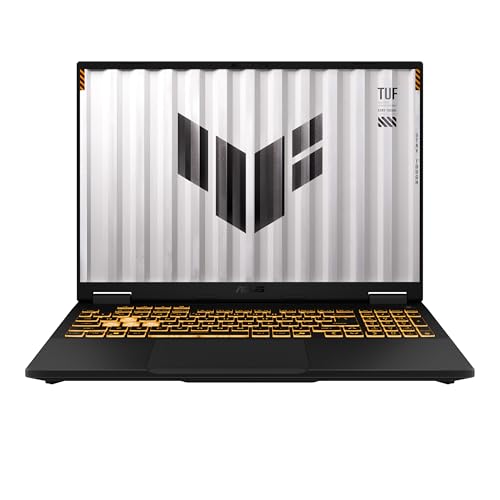
ASUS TUF Gaming F16 (2025) Gaming Laptop 16” FHD+ 165Hz

Acer Nitro V Gaming Laptop RTX 4050 ANV15-52-586Z

NIMO 15.6 FHD Light-Gaming-Laptop Ryzen 7 Pro 6850U

Alienware 16 Aurora Gaming Laptop RTX 5050 Core 7 240H

KAIGERR Gaming Laptop Ryzen 7 5825U 1TB SSD

Lenovo Gaming Laptop Ryzen 5 7535HS 15 FHD IPS

NIMO 15.6 IPS FHD-Light Gaming-Laptop Ryzen 5 6600H
More Details On Our Top Picks
The TUF F16 leans toward you if smooth motion matters as much as raw speed. A 16-inch 16:10 panel gives a little more vertical room than a plain 16:9 screen, so menus, launchers, and work documents feel less cramped.
The Intel Core i5-13450HX and GeForce RTX 5050 pairing puts it closer to a serious gaming setup than a casual one, while 16GB of DDR5 and a 512GB PCIe Gen4 SSD give you a sane starting point. The honest read is that the storage fills faster than the memory, so larger game libraries will need some discipline.
Strong Points
- 165Hz refresh helps motion look cleaner in fast games.
- 16:10 shape adds useful vertical space for browsing and school work.
- 16GB DDR5 gives you room for modern multitasking.
- RTX 5050 graphics make it the strongest gaming-leaning pick here.
Things To Consider
- 512GB storage can feel tight once several large installs pile up.
- The HX-class processor usually points to more heat and fan noise than lighter chips.
- It makes more sense at a desk than on a light daily-carry routine.
Feature Rundown
Who It Suits Best
You get the most from this one as a desktop-style gaming machine for school, streaming, and newer titles.
Where Another Pick Suits Better
Acer Nitro V Gaming Laptop RTX 4050 ANV15-52-586Z suits you better for a leaner gaming setup that still keeps a 165Hz screen.
This Nitro V sits in a sweet middle ground for you if you want a recognizable gaming setup without jumping all the way to the larger TUF F16. Its 15.6-inch Full HD IPS panel keeps the footprint easier to handle, and the 165Hz refresh rate still matters for fast camera pans and action titles.
The RTX 4050 is a more modest graphics step than the ASUS above, but it still gives this machine real gaming credibility. The 8GB DDR5 memory is the part worth watching, because it can feel tight once you keep multiple launchers, browsers, and voice apps open at once.
What We Like
- 165Hz IPS display keeps the image smooth and clear.
- RTX 4050 gives you solid starting graphics headroom.
- 15.6-inch size is easier to move between desk and bag.
- Wi-Fi 6 helps in homes with a busy network.
Worth Noting
- 8GB RAM is the main limit, especially for multitasking.
- The 512GB SSD is fine at first, then fills fast with modern installs.
- The backlit keyboard helps at night, but the system still feels built for practical use more than flair.
Who Will Love This
You suit this best if you want a straightforward first gaming laptop for home, dorm, or apartment use.
A Better Fit Elsewhere
ASUS TUF Gaming F16 (2025) Gaming Laptop 16” FHD+ 165Hz suits you better when you want stronger graphics and more memory headroom.
Compared with the first two picks, this NIMO pushes harder on memory and storage than on dedicated gaming graphics. That makes it a strong fit for you if your day includes game launchers, creative apps, and lots of browser tabs, not just a single title at a time.
32GB of LPDDR5 memory and a 1TB SSD are the standouts, and both matter in daily ownership more than the marketing usually admits. The Radeon 680M graphics are serviceable for lighter gaming, though the honest read is that this machine makes more sense as a multitasker with gaming on the side.
Upsides
- 32GB LPDDR5 gives you unusually roomy multitasking.
- 1TB SSD leaves far less need for immediate storage upgrades.
- 100W Type-C charging adds useful travel flexibility.
- Fingerprint login feels convenient for shared desks or frequent logins.
- Ryzen 7 Pro 6850U suits work-heavy days and lighter game sessions.
Small Caveats
- Radeon 680M is fine for lighter gaming, not the heaviest settings.
- Some of the appeal comes from capacity, so gaming-first shoppers may want stronger graphics.
- The support terms are attractive, yet the real value still depends on how you use the machine.
Best Suited To
You fit this best if you split time between schoolwork, creative tasks, and lighter gaming.
Another Choice May Suit
Alienware 16 Aurora Gaming Laptop RTX 5050 Core 7 240H suits you better when graphics performance matters more than memory capacity.
Alienware usually speaks to you differently than the more utility-first machines above, and this Aurora follows that pattern. The anodized aluminum lid and 16-inch WQXGA display give it a cleaner, more finished feel for a gaming setup that lives on a desk and gets seen every day.
The 120Hz panel trades some speed for sharper resolution, which suits you best if you care as much about image quality and general presentation as you do about frame rate. The 300-nit brightness should be adequate for most rooms, though it is less aggressive than the faster 165Hz panels in the ASUS and Acer models.
Highlights
- WQXGA resolution makes games and desktop work look crisp.
- Aluminum lid gives the machine a more polished feel.
- 120Hz display still keeps movement reasonably fluid.
- RTX 5050 and Core 7 240H give it strong core hardware.
Areas To Watch
- 120Hz is lower than the 165Hz screens on some rivals here.
- Higher-resolution panels can ask more from graphics settings.
- Its appeal leans toward a more premium desk setup than a simple carry-around machine.
At A Glance
Right Fit For
You fit this best if you want your first gaming laptop to look and feel a little more upscale.
Skip It When
ASUS TUF Gaming F16 (2025) Gaming Laptop 16” FHD+ 165Hz is the better call if a faster panel matters more than sharper resolution.
This KAIGERR looks aimed at you if storage matters more than chasing the strongest graphics chip. A 1TB NVMe SSD gives you room for games, files, and ordinary clutter, which saves you from the early shuffle of uninstalling things just to make space.
The Ryzen 7 5825U and 16GB RAM make it feel comfortably usable for work and lighter gaming, but the Radeon RX Vega 8 graphics keep expectations grounded. That trade-off is fine for casual play and daily tasks, yet it’s not the right match for someone who wants to turn every title up high.
Best Bits
- 1TB SSD is generous for a starter machine.
- 16GB RAM gives you enough breathing room for ordinary multitasking.
- Ryzen 7 5825U supports day-to-day productivity well.
- Wi-Fi 6 helps keep wireless connections steady at home.
Points To Note
- Radeon RX Vega 8 is more about light gaming than heavy graphics work.
- The overall appeal depends heavily on storage and general use, not gaming power alone.
- For a shared family space, the roomy SSD helps, but regular cleanup still keeps things tidy.
The Right Fit
You fit this best if you want a roomy, practical laptop for mixed use and modest gaming.
Reach For A Different Pick When
Acer Nitro V Gaming Laptop RTX 4050 ANV15-52-586Z suits you better if gaming speed matters more than storage size.
Lenovo keeps this one plain and easy to understand, which helps you sort it quickly against the flashier options here. The 15-inch FHD IPS display and Moonlight Grey finish make it feel more like a sensible daily machine that can also handle entry gaming.
The Ryzen 5 7535HS is the part that gives it a real gaming-laptop identity, but 8GB RAM and a 256GB SSD keep the whole package modest. That smaller storage is the main ownership trade-off, so this suits you best when your library stays lean or you rely on external storage.
Reasons To Buy
- Ryzen 5 7535HS gives you a stronger base than many basic office laptops.
- FHD IPS panel is a comfortable fit for games and everyday work.
- Wi-Fi 6 and Bluetooth 5.3 cover modern wireless needs.
- Moonlight Grey styling keeps it understated.
Room For Improvement
- 8GB RAM is the first thing you may outgrow.
- 256GB SSD leaves little spare room for larger game installs.
- Radeon 660M graphics are better for entry-level play than heavier titles.
Whose Shelf It Belongs On
You suit this best if you want a first gaming laptop that still behaves like a normal everyday notebook.
Where Shoppers Go Wrong
NIMO 15.6 IPS FHD-Light Gaming-Laptop Ryzen 5 6600H is the better fit for you if you want the same lean footprint with more memory.
This NIMO lands in the middle of the pack in a sensible way, and that’s its strength. You get 16GB DDR5 memory, a Ryzen 5 6600H processor, and a 15.6-inch IPS display, which makes it easier to live with than the leaner Lenovo above.
The 256GB SSD and Radeon 660M graphics keep it in light-gaming territory, so the fit is best for you if you want a machine that handles school, browsing, and a few games without asking for much attention. A 100W Type-C port and fingerprint login round out the practical side nicely.
Plus Points
- 16GB DDR5 is a solid floor for everyday multitasking.
- Ryzen 5 6600H gives the laptop a stronger gaming lean than a plain office machine.
- Fingerprint login adds quick access for shared or busy setups.
- 100W Type-C support gives you more charging flexibility.
Honest Caveats
- 256GB SSD feels small once games and media stack up.
- Radeon 660M is fine for light play, not the heaviest settings.
- Storage management matters here more than on the 1TB KAIGERR.
Built With In Mind
You suit this best if you want a modest gaming laptop that still feels ready for daily errands.
A Better Fit Elsewhere
ASUS TUF Gaming F16 (2025) Gaming Laptop 16” FHD+ 165Hz suits you better if stronger graphics matter more than portability.
What Matters Most Before You Choose
Screen, Graphics, And Heat
For starter gaming laptops, the display and graphics chip shape your day-to-day feel more than flashy marketing lines. A 165Hz panel makes fast motion cleaner, while a higher-resolution screen, like the Alienware’s WQXGA, asks for a bit more from the graphics settings.
Memory And Storage Balance
16GB RAM is a comfortable floor, and 8GB starts to feel cramped once launchers, browser tabs, and chat apps stack up. Storage works the same way, the 1TB drives in the NIMO and KAIGERR models reduce housekeeping, while 256GB and 512GB machines need more careful game rotation.
Use Case Fit
Desk-bound gaming favors the ASUS TUF F16 and Alienware Aurora. For mixed school or work use, the Lenovo and NIMO light-gaming options make more sense, especially when portability or a smaller footprint matters.
Quick Buying Traps And Upgrade Logic
Mistakes Worth Dodging
Don’t let a good processor distract you from weak memory or a cramped SSD. You also want to avoid choosing a sharp-looking machine with graphics that are too light for the games you actually play.
The Case For Spending Up
Extra money usually buys you stronger graphics, more memory, better screens, or a sturdier chassis. That upgrade makes sense when you want the laptop to last through heavier games and a busier daily routine.
Frequently Asked Questions
What matters most in a starter gaming laptop?
Graphics, memory, and screen refresh rate usually matter first. A balanced processor helps, but weak RAM or tiny storage tends to show up sooner in daily use.
Is 8GB RAM enough for gaming?
It works for lighter setups, but it can feel tight with modern launchers and multitasking. 16GB gives you a more comfortable cushion.
Do you need 1TB storage?
No, but it helps a lot if you install several large games. Smaller drives work better when you rotate titles often or use external storage.
Is a 165Hz display worth it?
Yes, especially for action games and fast camera movement. The upgrade is less dramatic in slower, story-focused games.
Which pick is better for mixed school and gaming use?
The NIMO 15.6 FHD Light-Gaming-Laptop Ryzen 7 Pro 6850U fits that role well. The Lenovo Gaming Laptop Ryzen 5 7535HS is another sensible route when you want a simpler, leaner setup.
Closing Thoughts
Your best starter gaming laptop depends on whether you care more about graphics, storage, or everyday convenience. The ASUS TUF F16 gives you the strongest gaming lean, while the NIMO and Lenovo options make quieter sense for mixed use. Pick the one that matches your habit, not just the spec sheet, and you’ll settle into it faster.
