


Closed-back studio headphones solve one problem better than anything else in your setup: they keep your monitoring honest without leaking sound into a mic or letting room noise muddy what you hear. Whether you’re tracking vocals in a spare bedroom, mixing late at night while family sleeps, or podcasting between meetings, the right pair lets you trust every decision you make behind the faders. This list covers ten options spanning entry-level wired workhorses to premium German-built monitors and even wireless picks for creators who move around.
A Quick View Of The Lineup

beyerdynamic DT 770 Pro X 48 Ohm Studio Headphones

MAONO MH700 Wired Studio Headphone (50mm Driver)
bmani Hybrid ANC Wireless Over-Ear Headphones (120H)
HD 480 PRO Closed-Back Studio Headphones

Audio-Technica ATH-M20x Studio Monitor Headphones

Audio-Technica ATH-M20xBTWH Wireless Headphones, White

Audio-Technica ATH-M50X Studio Monitor Headphones, Black
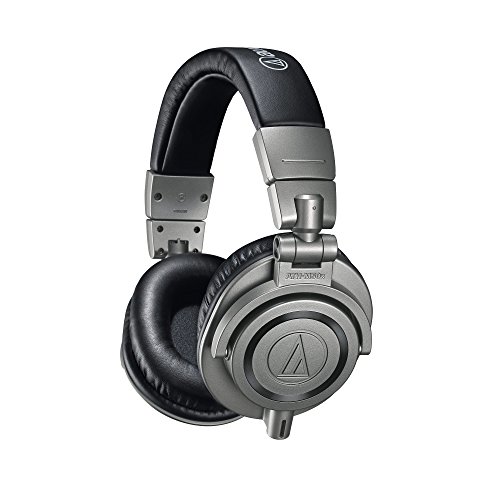
Audio-Technica ATH-M50XGM Monitor Headphones, Gun Metal

Audio-Technica ATH-M50X Headphones, White

Sony MDR7506 Professional Large Diaphragm Headphone
Inside Each Recommended Option
The 48 Ohm version of this classic monitor is tuned so it plays nicely with laptops, audio interfaces, and headphone amps alike, which matters more than most spec sheets admit. Each pair is assembled by hand in Germany, and that craftsmanship shows up in how long these things last in daily studio use.
Where the M50X later in this list leans energetic, the DT 770 Pro X stays neutral, making it easier to spot harsh sibilance or a boomy low end before it ships in your mix.
Useful Highlights
- 48 Ohm impedance drives comfortably from interfaces and computers without needing a dedicated amp.
- Closed-back housing keeps click tracks and rough mixes contained during vocal takes.
- Handmade in Germany, which historically translates into parts availability and long service life.
- Detail retrieval is strong enough for critical listening and spotting mix flaws.
Things To Consider
- Earpads compress over months of heavy use, and replacement pads are an ongoing cost worth budgeting.
- The fixed cable means a damaged cord usually requires service rather than a quick swap.
Key Specs
Who Will Love This
Engineers who track and mix regularly and want one dependable pair they can leave plugged in for years.
A Better Fit Elsewhere
Shoppers wanting a cheaper first pair should look at the MAONO MH700 below instead.
Most first-time podcasters overspend on headphones and underspend on the mic, so a value option like the MH700 makes sense. The large 50mm dynamic drivers are bigger than what you’ll find on several pricier monitors here, and the included 3.5mm-to-6.35mm adapter covers everything from a laptop jack to a guitar amp or interface output.
In practice, that flexibility suits a bedroom creator who records vocals today and plugs into a keyboard rig tomorrow without buying extra cables.
What Works In Its Favor
- Big 50mm drivers deliver full-range stereo detail with balanced highs, mids, and lows.
- Dual-plug compatibility (3.5mm plus 6.35mm) connects to computers, amps, pianos, and interfaces out of the box.
- Closed-back over-ear fit helps keep bleed out of vocal recordings.
Small Caveats
- Driver size alone doesn’t equal pro accuracy, so expect a slightly consumer-flavored tuning compared with the Sony MDR7506.
- Build materials at this tier tend to feel lighter, so gentle handling extends lifespan.
Who Should Grab It
New podcasters and hobbyist musicians building their first recording corner on a tight budget.
Swap It Out When
Anyone doing serious mixing will get more truthful results from the HD 480 PRO further down.
This is the odd one out on a studio list, and deliberately so: plenty of producers draft ideas on planes and trains where a cable and open isolation won’t cut it. The bmani pairs hybrid active noise cancellation, meaning microphones sample outside sound and generate an opposing signal, with a claimed 45dB maximum reduction and up to 95% of ambient distractions filtered.
Battery life is the headline number. At up to 120 hours per charge, you could cross the Atlantic round trip twice before reaching for a cable.
Notable Upsides
- Up to 120 hours of playtime removes charging anxiety on long trips.
- Four-mic hybrid ANC chip reacts within milliseconds to cabin and street noise.
- Six ENC call microphones keep voice calls clearer in windy or busy environments.
- Bluetooth 6.0 connectivity and Hi-Res certified 360° spatial audio add polish for casual listening.
Points To Note
- Wireless codecs and ANC processing introduce coloration, so treat these as listening cans rather than mix references.
- No wired studio adapter is mentioned, which limits use inside a tracking chain.
Feature Snapshot
Right Fit For
Frequent flyers, commuters, and gym-goers who want quiet first and studio accuracy second.
Reach For A Different Pick When
Tracking sessions demand zero latency, which points straight back to the wired beyerdynamic DT 770 Pro X.
Sennheiser’s decades of transducer research land here in a package aimed squarely at people who need accuracy without flagship money. The standout engineering touch is the Vibration Attenuation System, which damps unwanted driver resonance so what reaches your ears stays closer to the original signal.
Against the ATH-M20x next door, the HD 480 PRO trades a bit of bass emphasis for a cleaner midrange, and many home mixers find that trade worthwhile once they start chasing vocal clarity.
Reasons It Performs
- Vibration Attenuation System preserves signal integrity during long critical listening stretches.
- Closed-back construction blocks room noise in untreated spaces.
- Comfort-focused design supports extended sessions at the desk or on the move.
Less Ideal Details
- The tuning favors accuracy over fun, so casual playlist listening may feel dry to some ears.
- Owners commonly report plastic headband components benefit from careful storage in a bag rather than loose in a backpack.
Who It Suits Best
Intermediate home producers mixing in small, untreated rooms who want trustworthy mids.
Consider Something Else When
Beginners wanting the lowest-cost entry point are still better served by the ATH-M20x.
Walk into almost any project studio and you’ll spot an M20x hanging on a stand. Audio-Technica builds them around 40mm drivers with rare earth magnets and copper-clad aluminum wire voice coils, hardware choices that keep the sound detailed without demanding amplifier power you don’t have yet.
The circumaural pads, meaning they seal fully around the ear rather than pressing on it, give you genuine isolation in loud rooms. That’s exactly what a vocalist needs hearing a click track at full volume.
What Pays Off
- Rare earth magnet drivers with copper-clad aluminum coils deliver clear tracking detail.
- Tuning leans slightly warm, which flatters low-frequency checking during beat-making.
- Single-side cable exit keeps the cord away from your instrument while playing.
- Full ear enclosure provides strong isolation in noisy environments.
Worth Bearing In Mind
- The cable is fixed, so a snagged cord means repair rather than replacement.
- There’s no detachable-cable upgrade path like the pricier ATH-M50X offers.
Made For
Students and first-time recordists who need dependable isolation without stretching the budget.
Not Your Match When
Growing engineers ready to invest in replaceable cables will prefer the ATH-M50X reviewed shortly.
Think of this as the M20x loosened its tie and went wireless. The same 40mm driver philosophy carries over with enhanced low-frequency response, but now you get Bluetooth convenience, a built-in microphone for calls, and multipoint pairing, which lets two devices stay connected simultaneously so a laptop and phone can share the same headset.
The white finish also stands apart in a category drowning in black plastic, and students seem to appreciate that.
Well-Handled Touches
- 60-hour battery life covers weeks of typical campus or commute use.
- Multipoint pairing switches between laptop and phone without re-pairing.
- Lightweight frame stays comfortable through long study sessions.
- Studio-derived tuning gives casual listening more body than generic wireless sets.
Some Limits To Know
- Bluetooth latency rules these out for real-time recording monitoring.
- The white earcup surfaces can show grime faster than darker finishes, so occasional wiping keeps them presentable.
The Details
The Right Fit
College students and remote workers who split time between lectures, calls, and music.
Where A Sibling Pick Shines
Cable-free travelers wanting noise cancellation will find the bmani ANC model a stronger match.
Few headphones have been praised by working engineers as consistently as the M50X. Large-aperture drivers deliver a punchy, articulate signature that makes drums sit forward, which explains why electronic producers and hip-hop mixers gravitate toward them year after year.
The big step up from the ATH-M20x earlier in this list is the detachable cable. Snap a connector off in a doorway and you’re back working in seconds with a spare lead, something no fixed-cord pick here can offer.
The Case For It
- Large aperture drivers produce detailed, punchy sound across genres.
- Detachable cable design turns a common failure point into a ten-second fix.
- Sound-isolating earcups suit loud tracking rooms and commutes alike.
- Construction has a reputation for surviving years of gig-bag abuse.
- Collapsible frame folds down compactly for travel.
Potential Sticking Points
- Clamping force runs firm at first; many owners report it eases after a break-in period.
- The elevated bass response asks for careful referencing against other systems when mixing.
Feature Rundown
Whose Shelf It Belongs On
Semi-professional producers and DJs who need rugged, energetic monitoring that travels well.
Another Choice May Suit
Mix engineers prioritizing flat accuracy over excitement may lean toward the Sony MDR7506 closing this list.
Everything said about the black ATH-M50X applies here, because under the paint this is the same critically respected monitor with the same large-aperture drivers and detachable cabling. What changes is the presentation: the gun metal finish reads more understated than matte black and photographs beautifully on a studio shelf or in a content creator’s frame.
You’re choosing between identical sound and different taste, nothing more, and that’s a perfectly valid way to spend the difference.
Everyday Advantages
- Same acclaimed sonic signature as the standard M50X, including strong drum presence.
- Detachable cables keep maintenance cheap and downtime short.
- Gun metal coloring hides fingerprints and scuffs better than glossy finishes.
Honest Caveats
- Colorway variants sometimes carry a modest price bump over the standard black unit.
- Stock earpads wear with heavy rotation, and fresh ones restore both comfort and isolation.
Who Should Grab It
Producers, streamers, and on-camera creators who want proven studio sound with a distinctive look.
Look Elsewhere When
Listeners preferring lighter tones will find the white ATH-M50X a closer match to their setup.
This is the third face of the M50X platform, and it exists for one reason: some studios and bedrooms simply look better with white gear. Sonically it matches the black and gun metal versions reviewed above, right down to the isolating earcups and swappable cable, so your decision comes down to aesthetics and current availability rather than performance.
One practical note for bright finishes: regular wiping of the headband keeps them looking new far longer than neglect does.
Positive Points
- Identical large-aperture driver sound to the rest of the M50X family.
- Detachable cable support protects against the most common failure mode.
- White colorway coordinates cleanly with light-themed desks and setups.
Trade Offs
- Light finishes show wear, makeup transfer, and dust more visibly over time.
- Availability of specific colorways can fluctuate, so patience may be needed.
Built With In Mind
Home studio owners curating a coordinated aesthetic who still want professional-grade monitoring.
Where Another Pick Suits Better
Anyone indifferent to color saves money and hassle with the black ATH-M50X covered earlier.
Radio stations, film sets, and broadcast booths have standardized on the MDR7506 for decades, and there’s a reason it never left production. Neodymium magnets inside the 40mm drivers deliver a forward, revealing midrange that exposes mouth clicks, plosives, and editing mistakes other headphones gloss over.
It folds flat for travel, and the long coiled-friendly 9.8-foot cord reaches across a console without extension leads. Compare that reach to the ATH-M50X’s shorter stock cable and the difference shows immediately in a live room.
A Few Highlights
- Neodymium-magnet 40mm drivers reveal detail in vocals and dialogue exceptionally well.
- Closed ear design offers comfort plus solid reduction of external noise.
- Nine-foot gold-plated cord gives generous movement range at a desk or console.
- Folding frame packs down easily for location work.
- 1/4-inch adapter included for mixer and interface connections.
Details To Watch
- The cord is hardwired, so a damaged cable requires servicing rather than a swap.
- The pleather headband is a known long-term wear point among longtime owners.
Core Details
Who Will Love This
Broadcast editors, podcast producers, and location recordists who prize speech clarity above all.
Skip It When
Users who want replaceable cables should pick the ATH-M50X instead.
What Matters Most Before Choosing Studio Closed Back Headphones
Impedance And Your Source Gear
Impedance, measured in ohms, describes how much power a headphone demands. High-impedance models shine from dedicated amps but sound quiet straight from a laptop. Pairs like the 48 Ohm DT 770 Pro X hit a middle ground, driving well from interfaces and computers alike. Match the number to what you actually own.
Isolation Versus Comfort
Closed-back housings trap sound on both sides: less bleed into your mic, less room noise into your ears. That sealing comes with warmth, though, and long summer sessions can get sweaty. Velour-style pads breathe more; leatherette isolates harder. Consider how many consecutive hours you realistically wear them.
Tuning For The Task
Reference-neutral headphones expose flaws, ideal for mixing and broadcast editing. Bass-forward signatures make production more enjoyable but can mask problems. Many engineers keep one of each, using a neutral pair like the MDR7506 for decisions and a livelier set for inspiration.
Cables, Pads, And Long-Term Costs
Detachable cables and replaceable earpads turn inevitable wear into cheap fixes. Fixed cords and glued pads mean eventual service bills. Over a five-year horizon, those small design choices often matter more than minor sonic differences.
Key Considerations Across These Picks
Traps First Timers Fall Into
The most common slip is buying a high-impedance headphone without an amp, then blaming the headphones for thin volume. Another is confusing bass-heavy consumer tuning with studio accuracy. Read the impedance figure, check your interface’s output, and prioritize honesty over excitement for monitoring duties.
The Case For Spending Up
Higher-tier models buy better drivers, sturdier hinges, replaceable parts, and more consistent units from the factory line. Those traits compound over years of daily sessions. Spending more pays off once you’re mixing for others; for casual listening, mid-tier options already cover the essentials well.
Frequently Asked Questions
Are closed-back headphones good for mixing?
Yes, especially in untreated rooms where speakers would lie to you. Just cross-check mixes on another system before finalizing.
Do I need a headphone amplifier?
Low and medium impedance models under roughly 80 ohms run fine from laptops and interfaces. Higher-impedance designs benefit from dedicated amplification.
Can I use studio headphones for everyday music listening?
Absolutely, though neutral tuning sounds less flashy than consumer-tuned sets. Many people grow to prefer the clarity.
How long do studio headphones typically last?
With pad replacements and careful cable handling, quality models commonly serve five to ten years. Detachable cables extend that considerably.
What’s the difference between closed-back and open-back?
Closed-back cups seal sound in and block outside noise. Open-back designs breathe for a wider stage but leak audio in both directions.
Bottom Line
Your best choice depends on the job in front of you. The beyerdynamic DT 770 Pro X rewards serious home studios, the ATH-M50X family balances energy with durability, and the Sony MDR7506 remains the broadcast standard for good reason. Start from how you actually work, then let the specs confirm the decision rather than drive it. Whichever pair you settle on, your ears will thank you within the first session.
