


Good monitoring headphones are the difference between a mix that translates everywhere and one that falls apart on other systems. Whether you’re tracking vocals in a bedroom studio, editing podcasts late at night, or DJing a live set, you need cans that tell you the truth about your audio instead of flattering it. That’s what this list is built around: ten wired and wireless options that cover everything from budget first setups to professional reference listening. Each pick suits a different workspace, budget, and workflow, so scan the table, then dig into the details below.
An Overview Of The Picks

beyerdynamic DT 990 Pro X 48 ohm Open-Back Studio Headphones

syndesmos Over Ear Studio Monitor & Mixing DJ Headphones

Sony MDR-M1 Professional Reference Closed Monitor Headphones

Audio-Technica ATH-M20x Professional Studio Monitor Headphones

Audio-Technica ATH-M20xBTWH Wireless Over-Ear Headphones with Mic

Sony MDR7506 Professional Large Diaphragm Headphone

Audio-Technica ATH-M50X Professional Studio Monitor Headphones
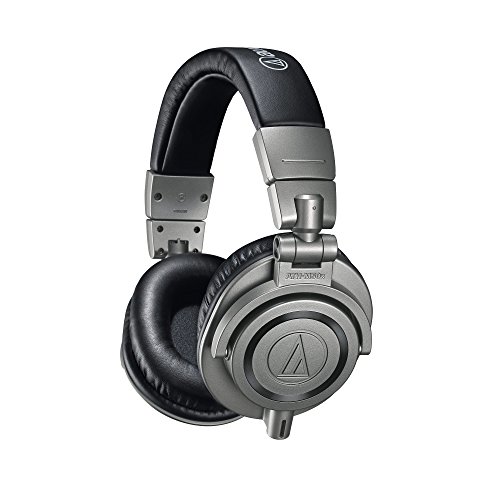
Audio-Technica ATH-M50XGM Professional Monitor Headphones

Audio-Technica ATH-M50X Headphones, White

OneOdio Wired DJ Hi-Res Over-Ear Headphones – Black
The Details Behind The Selections
Open-back designs let air pass through the earcups, which trades noise isolation for a wider, more natural sense of space. The DT 990 Pro X leans into that trade fully: subtle clipping, digital artifacts, and buried noise become obvious once you know what to listen for. German manufacturing shows up in the fit too, with padding that holds up through long sessions.
The 48-ohm impedance sits in a friendly middle zone, easy enough to drive from most interfaces without sounding thin. In a quiet room at midnight, this is the pair that reveals whether your reverb tail is actually clean.
Noteworthy Benefits
- Wide soundstage makes panning decisions easier during mixing
- Reveals low-level flaws like hiss and clipping before release day
- Made in Germany with a build reputation for lasting years
- 48-ohm impedance works well with typical audio interfaces
- Comfortable enough for multi-hour editing blocks
Things To Consider
- Open backs leak sound both ways, so shared rooms hear everything
- Earpads collect wear over time and are worth replacing rather than ignoring
At A Glance
Who It Suits Best
Engineers who mix in quiet rooms and need honest spatial detail over isolation.
Where Another Pick Suits Better
Noisy environments call for the closed Sony MDR-M1 instead, which isolates while keeping reference accuracy.
Not everyone needs a three-figure pair on day one. This syndesmos model puts large 50mm dynamic drivers into an over-ear frame aimed squarely at people building their first setup, covering a full audible range with bass that has some punch behind it.
The honest read is that it won’t match the resolution of the beyerdynamic above, but for vocal self-monitoring during recording or casual DJ practice, it covers the basics without embarrassment. Wired operation means no batteries, no latency, no pairing fuss, which matters more than spec sheets suggest when you’re learning.
Advantages To Know
- Large 50mm drivers deliver fuller low end than most entry-level pairs
- Wired design removes latency concerns entirely
- Works for DJ cueing, tracking vocals, and general listening alike
Worth Noting
- Detail retrieval trails the pricier picks here, so final mixes deserve a second opinion
- Long-term durability is less documented than established brands
Right Fit For
Beginners assembling a starter studio who want capable over-ear sound without stretching the budget.
Consider Something Else When
You plan to mix professionally soon; the ATH-M20x offers a clearer upgrade path for that goal.
Sony built the MDR-M1 for creators who want closed-back isolation without giving up reference-grade accuracy. Its ultra-wideband playback reaches far beyond the audible range, which sounds like marketing until you notice how clean cymbal decay and transient detail feel in practice.
Where the open-back DT 990 Pro X demands silence around you, the MDR-M1 keeps outside noise out and your mix in. That makes it a strong companion for untreated rooms, apartments with traffic, or sessions where someone else is talking nearby. You may find its tonal balance flatter than consumer headphones, which is exactly the point for production work.
A Few Strong Suits
- Closed structure gives dependable isolation in loud or shared spaces
- Ultra-wideband response captures fine detail across many source types
- Balanced tuning suits long mixing sessions without fatigue
- Handles everything from orchestral material to dense electronic productions
Trade Offs
- Premium pricing places it beyond casual listeners’ needs
- Sealed cups can feel warmer during summer sessions than ventilated designs
Who Will Love This
Working producers and mix engineers who record and edit in non-ideal acoustic environments.
Look Elsewhere When
Your room is already quiet and you want maximum openness; the beyerdynamic DT 990 Pro X fits that scenario better.
The M20x has quietly become the default recommendation for music students, and the reasoning holds up. Its 40mm drivers use rare-earth magnets and copper-clad aluminum voice coils, components that keep sound tight and responsive without inflating the price.
Tuning leans slightly toward the low end, which helps you hear kick and bass relationships clearly during tracking. The circumaural earcups contour around your ears, so a drum kit bleeding through the control room won’t derail a take. Compared with the syndesmos above, the M20x brings a more proven track record and a cleaner path into Audio-Technica’s higher M-Series models later.
Everyday Wins
- Rare-earth magnet drivers keep transients quick and defined
- Circumaural fit isolates well in loud tracking rooms
- Single-side cable exit stays out of your way at the desk
- Tuned low end makes bass balance checks straightforward
Minor Gripes
- Fixed cable means a damaged cord ends the headphone’s run
- Coiled-and-straight cable options aren’t offered; you get one configuration
Quick Facts
Made For
Students, podcast starters, and first-time producers who need dependable tracking headphones at an accessible level.
Skip It When
You commute daily and want wireless freedom; the ATH-M20xBTWH covers that use far better.
This white wireless take on the M20x formula targets a different problem: life away from the desk. Bluetooth operation, a built-in mic, and multipoint pairing (staying connected to two devices at once) make it genuinely useful between laptop calls and phone playlists.
Battery life stretches to roughly 60 hours per charge, so weekly charging becomes the norm rather than a daily chore. The 40mm drivers carry the same enhanced-bass character as the wired M20x, though critical mixing still belongs to a dedicated wired pair. For creators who edit on trains and take meetings between sessions, it fills a gap none of the wired picks can.
Points In Its Favor
- About 60 hours of battery life per charge
- Multipoint pairing switches between two devices smoothly
- Built-in microphone handles calls without extra gear
- Lightweight frame stays comfortable on long commutes
Room For Improvement
- Bluetooth adds compression, so it’s a listening tool rather than a final-mix reference
- White finish shows scuffs sooner than darker siblings
Feature Snapshot
Whose Shelf It Belongs On
Commuting creators and students who split time between mobile listening and casual editing.
A Better Fit Elsewhere
Studio-only users get better value from the wired ATH-M20x, which costs less and skips battery management entirely.
Walk into any radio station or podcast network and odds are good you’ll spot these. The MDR7506 pairs neodymium magnets with 40mm drivers, delivering detailed midrange that has kept it relevant for decades of broadcast work.
Its closed earcups block outside noise effectively, and the long fixed cord terminates in a gold-plated plug with a quarter-inch adapter included, ready for mixers and interfaces straight out of the box. Folding hinges make storage simple between sessions. One thing worth knowing: owners commonly report the pleather earpads flaking after heavy use, though replacements are inexpensive and widely available. Treat pad swaps as routine maintenance and this pair serves for years.
Real Benefits
- Detailed midrange ideal for voice work and spoken-word editing
- Closed design cuts external noise during recording
- Nearly 10-foot cord reaches across a desk or booth
- Folds flat for travel and storage
Small Caveats
- Non-detachable cable limits repair options if the cord fails
- Earpads wear visibly with heavy use and need periodic replacement
The Right Fit
Podcast editors, radio producers, and broadcasters who want a time-tested voice-monitoring standard.
Another Choice May Suit
Anyone wanting swappable cables should reach for the ATH-M50X, whose detachable cord solves this exact limitation.
The black M50X is arguably the most recognized studio headphone of the past decade, and its appeal isn’t hard to explain. Large-aperture drivers deliver a punchy, engaging signature, while sound-isolating earcups and a folding, robust frame suit both the studio and the road.
The headline upgrade over older versions is the detachable cable, which fixes the exact weakness the MDR7506 carries. Swapping cords takes seconds, and a frayed cable stops being a death sentence. Engineers have praised this line year after year for balancing analytical detail with listenability, something few monitors manage. In most home studios, this is the point where spending more stops buying obvious improvements.
Where It Delivers
- Detachable cable extends usable life dramatically
- Sound-isolating earcups work in loud venues and booths
- Folding construction travels well in a backpack
- Signature balances accuracy with genuine listening enjoyment
- Sturdy build survives gig-bag treatment
Potential Drawbacks
- Clamping force feels firm during the first weeks of ownership
- Bass emphasis asks for careful judgment when finalizing low-end balance
Core Details
Who Should Grab It
Serious hobbyists and working engineers who want one pair that handles mixing, tracking, and travel.
Swap It Out When
Budget comes first; the ATH-M20x delivers much of the same workflow at a friendlier entry point.
Everything said about the black M50X applies here, because under the finish this is the same headphone: large-aperture drivers, isolating earcups, and a detachable cable. What changes is the presentation. The gun metal colorway reads more understated than black or white, closer to brushed hardware than consumer flash.
That matters more than it sounds like it should. Creators who appear on camera, stream, or share studio photos often prefer gear that looks considered rather than utilitarian. Sonically you’re choosing between identical performance, so let aesthetics and availability decide. If the gun metal finish is in stock when you shop, there’s no functional reason to pass on it over the standard version.
Everyday Perks
- Distinctive gun metal finish photographs beautifully on camera
- Same proven sonic signature as the black M50X
- Detachable cable keeps maintenance simple
Softer Spots
- Colorway availability fluctuates more than the standard black
- Identical internals mean no sonic reason to choose it over cheaper finishes
Built With In Mind
Streamers, video creators, and designers who want pro-level monitoring with a refined look on camera.
Reach For A Different Pick When
Pure function drives the decision; the black ATH-M50X does the same job and is usually easier to find.
The white M50X rounds out this family trio, and it’s the variant that built much of the line’s visual identity online. Underneath, you get the same critically praised sound: large-aperture drivers, isolating earcups, and that all-important detachable cable.
In a bright studio or on a video set, white headphones simply read cleaner on camera than black ones. The trade-off shows up in upkeep, since light finishes show makeup, dust, and grime faster, and the earcup paint can scuff with rough handling. Owners who wipe them down occasionally stay happy; careless bag storage tends to leave marks. Choose this over the gun metal version when you want brightness rather than subtlety.
Notable Upsides
- Striking white finish stands out in videos and streams
- Identical acclaimed sound to every other M50X variant
- Detachable cable simplifies repairs and upgrades
Points To Note
- White surfaces demand more frequent cleaning to look fresh
- Scuffs are more visible than on darker colorways
Perfect Match For
Content creators and bedroom producers who want their monitoring gear to double as part of the aesthetic.
Where A Sibling Pick Shines
Low-maintenance users are better served by the black ATH-M50X, which hides everyday wear effortlessly.
OneOdio built this pair around a clever DJ trick: dual 3.5mm and 6.3mm jacks on the earcups themselves, letting you daisy-chain a second headphone or plug straight into amps, keyboards, and guitars without adapters. For practice rooms and jam sessions, that flexibility earns real goodwill.
The 50mm drivers with neodymium magnets push a bass-forward sound that’s fun for electronic music and forgiving on cheap sources. Padded cushions isolate reasonably well, and the adjustable band accommodates different head sizes. Against the syndesmos earlier in this list, the OneOdio wins on instrument-friendly connectivity; against either, expect softer detail than true reference cans provide.
Key Advantages
- Dual jacks allow sharing audio with a second headphone
- Plugs directly into guitars, keyboards, and amps
- Big 50mm drivers give satisfying low-end weight
- Soft padded cushions isolate decently for the price tier
Details To Watch
- Bass tilt colors mixes, so verify final balances elsewhere
- Plastic build feels less premium than metal-banded rivals
Essential Details
Best Suited To
Guitarists, keyboard players, and hobbyist DJs practicing at home who value plug-in convenience over clinical accuracy.
Not Your Match When
Analytical mixing is the priority; the beyerdynamic DT 990 Pro X exposes detail this pair smooths over.
What Matters Most Before Choosing Studio Monitor Headphones
Open Back Versus Closed Back
Open-back designs vent the earcups, producing a wider, more natural stereo image but leaking sound in both directions. They shine in quiet mixing rooms. Closed-back models seal around your ears, blocking outside noise and keeping your recordings from bleeding into microphones. Tracking, podcasting, and commuting all favor sealed cups, so match the architecture to where you actually work.
Impedance And What Drives Them
Impedance measures how much electrical resistance a headphone presents to your source. Low-impedance models play loudly from phones and laptops, while high-impedance designs want an interface or headphone amplifier to breathe. Most modern interfaces handle moderate loads comfortably, but checking this number saves disappointment.
Comfort For Long Sessions
Mixing sessions routinely stretch past two hours, and clamp force plus pad material decide whether that’s pleasant or punishing. Memory foam pads and lighter frames reduce fatigue noticeably.
Cable Strategy
A detachable cable is the single best durability feature available. Fixed-cord classics like the MDR7506 remain excellent, but a replaceable cable turns a common failure into a five-second fix.
Key Considerations Across These Picks
Traps First Timers Fall Into
Chasing consumer-style bass is the classic error, since fun-sounding headphones hide mixing mistakes until the track leaves your room. Skipping the impedance check causes another headache, leaving quiet output on underpowered devices. Finally, ignore marketing vocabulary and focus on acoustic design, driver size, and how the pick matches your actual room.
When Paying More Pays Off
Higher-tier models earn their cost through tighter driver tolerances, better materials, and replaceable parts. The jump from budget to mid-range buys clarity you’ll hear daily; the jump from mid-range to reference level mostly refines detail retrieval. Spend accordingly to your ambitions.
Frequently Asked Questions
Can studio monitor headphones be used for regular music listening?
Yes, and many people prefer them. Expect a more honest, less bass-boosted presentation than consumer headphones offer.
Do I need an amplifier for these headphones?
Most picks here run fine from laptops and audio interfaces. Higher-impedance models benefit from dedicated amplification for full volume and dynamics.
Are wireless headphones suitable for mixing?
Bluetooth compression alters the signal, so wireless models work for drafting and reference checks but not final mix decisions.
How long do studio monitor headphones typically last?
Well-built pairs commonly serve five to ten years. Detachable cables and replaceable earpads extend that span considerably.
Open back or closed back for a small apartment?
Closed back is the safer choice. Open-back leakage will bother housemates and pull in street noise during mixing.
Closing Thoughts
Your room, your workflow, and your patience for cables should drive this decision more than any ranking. Quiet space and serious mixing point toward the beyerdynamic DT 990 Pro X, while shared walls and recording sessions favor the Sony MDR-M1 or ATH-M50X. Starting out costs less than you’d think, and the ATH-M20x proves it. Whatever you choose, give your ears a week to adjust before judging the sound. Good mixes start with honest tools, and any pick above qualifies.
