


Long study sessions live or die on distraction. A chatty roommate, a humming dorm fridge, or a busy library can pull your attention away mid-sentence, and getting it back costs you time. The right pair of headphones solves that problem quietly, wrapping your ears in a buffer of calm so lectures, flashcards, and essays get your full attention. This roundup covers ten options across three tiers: a marathon-battery over-ear with strong noise cancelling, the premium comfort of Bose’s QuietComfort line in three colors, Anker’s budget-friendly Soundcore Q20i in four finishes, and Sony’s classic wired ZX pair for anyone who wants simplicity without charging cables. Each review looks at how these hold up in real study scenarios like all-nighters, commutes to campus, and shared apartments, along with the honest trade-offs you should weigh before choosing.
A Snapshot Of The Selections

TAGRY Hybrid ANC Bluetooth Headphones 120H

Bose QuietComfort Wireless ANC Headphones, Black

Bose QuietComfort Wireless ANC Headphones, White Smoke

Bose QuietComfort Wireless ANC Headphones, Petal Pink

Soundcore by Anker Q20i Hybrid ANC Headphones, White

Soundcore by Anker Q20i Hybrid ANC Headphones, Black
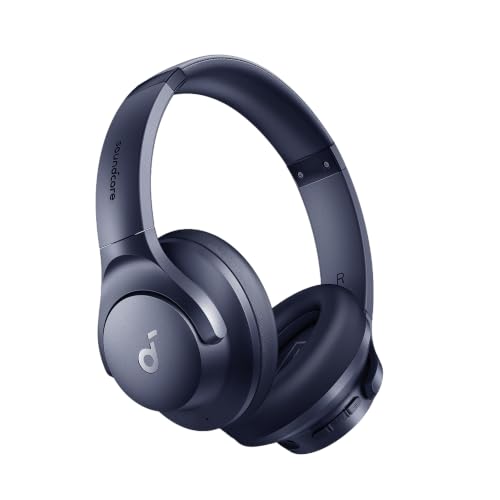
Soundcore by Anker Q20i Hybrid ANC Headphones, Blue

Soundcore by Anker Q20i Hybrid ANC Headphones, Pink

Sony MDR-ZX110 Wired On-Ear Headphones, Black

Sony MDR-ZX110 Wired On-Ear Headphones, Pink
Why These Options Stand Out
The headline here is endurance. With a claimed 120 hours of playtime, this pair can outlast an entire exam week between charges, which matters more than any single spec when your schedule runs from morning lectures to late library sessions.
Hybrid active noise cancelling, meaning microphones inside and outside the earcup work together to cancel ambient sound, reaches up to 45dB against traffic or office chatter. Memory foam earcups and six ENC call mics round out a package aimed squarely at people who wear headphones for hours at a stretch.
What Helps Most
- Up to 120 hours of playback means fewer mid-week charging interruptions during heavy study blocks.
- Hybrid ANC rated to 45dB dulls airplane cabins, HVAC hum, and shared-space chatter effectively.
- Memory foam earcups spread pressure evenly, which helps during multi-hour wear.
- A transparency mode lets announcements and quick questions through without removing the cups.
- Six ENC mics keep voice calls with study groups clear even in noisy rooms.
Things To Consider
- As a newer brand, long-term durability is less documented than legacy names, so treat the earcups gently.
- Feature-dense controls can take a few sessions to memorize.
Key Specs
Who It Suits Best
Students juggling back-to-back classes, commutes, and late-night cramming who hate hunting for a charger.
Where A Sibling Pick Shines
The Soundcore Q20i in Black suits shoppers who want a shorter feature list from a brand with a longer track record.
Bose built its reputation on noise cancellation, and the current QuietComfort carries that legacy forward with custom modes that let you tune how much of the world gets in. Around campus, that flexibility is the point: full blocking for a packed lecture hall, lighter filtering when you still need to hear your name called.
USB-C charging and roughly a day of playtime per charge cover a normal week of classes comfortably. Deep bass gives lo-fi playlists and focus tracks real weight, though some listeners may find the low end more prominent than neutral-tuned rivals.
Good Reasons To Consider
- Noise cancellation remains the category benchmark for hushing open-plan libraries and flights home.
- Custom modes let you dial awareness up or down depending on where you’re studying.
- USB-C charging matches the cable already in your laptop bag.
- Roughly 24 hours of playtime handles several days of typical use.
Worth Noting
- The premium cost is hard to justify for light users compared with the Soundcore Q20i.
- Owners commonly report the plastic headband needs careful handling in backpacks.
The Right Fit
Graduate students, frequent flyers, and anyone whose concentration depends on serious quiet.
Skip It When
The Sony MDR-ZX110 serves occasional listeners far better at a fraction of the commitment.
This is the same QuietComfort platform as the black version above, wrapped in a muted white-smoke finish that reads calmer and less corporate. Nothing about the audio changes: you still get the class-leading cancellation, deep bass response, USB-C charging, and about 24 hours of battery.
Color matters more than people admit. A lighter finish shows scuffs faster, which is worth knowing before tossing them loose into a tote bag alongside keys.
Strong Points
- Identical flagship noise cancelling and sound signature to the black model.
- The soft neutral tone stands out pleasantly in a sea of black headphones.
- USB-C and day-long battery keep the routine simple.
Small Caveats
- Light finishes tend to show wear and smudges more readily than darker shells.
- You’re paying flagship money for a color choice, not extra features.
Built With In Mind
Design-conscious students who want flagship quiet and a look that doesn’t blend into every lecture hall.
Another Choice May Suit
The petal pink QuietComfort below offers the same experience with a warmer, bolder statement.
The limited-edition petal pink finish turns a technical purchase into something personal. Underneath the color, this is the full QuietComfort package: active noise cancelling with adjustable modes, deep bass tuning, USB-C charging, and up to 24 hours of wireless playtime.
Limited colorways can be harder to replace later, so factor that into how carefully you store them. As a gift for a student heading into finals season, though, few options land better.
Advantages To Know
- Full flagship noise cancellation and sound, unchanged from the black and white smoke versions.
- The distinctive pink shade makes these easy to spot in a shared apartment or classroom.
- USB-C charging and 24-hour battery fit a normal academic week.
- Limited-edition status adds a thoughtful-gift angle.
Points To Note
- Limited colors may not stay available, so replacement matching isn’t assured.
- Bright shells can show scuffs; a case is worth using.
Quick Facts
Who Will Love This
Students and gift-givers who want top-tier quiet paired with a color that feels chosen, not defaulted.
Reach For A Different Pick When
The black QuietComfort makes more sense for anyone who prefers understated gear that hides wear.
Anker’s Soundcore line has become the default answer to “good headphones without overspending,” and the Q20i explains why. Four microphones feed a hybrid ANC system that trims train rumble and office noise well enough for focused reading, and BassUp processing pushes the low end forward in wireless mode.
The white finish looks clean next to a laptop setup, though it will show grime sooner than darker siblings. For most dorms and home desks, the noise reduction here covers the realistic problem set without the flagship price tag.
Everyday Perks
- Hybrid ANC with four mics handles commute and shared-room noise credibly for the price bracket.
- BassUp delivers punchy low end that keeps instrumental study playlists engaging.
- AUX-in wired mode provides a fallback when the battery runs dry mid-session.
Less Ideal Details
- Noise filtering is unavailable while using the wired AUX connection.
- Plastic construction feels serviceable rather than premium in hand.
Right Fit For
Undergraduates equipping a first dorm setup who want real noise cancelling on a tight budget.
Consider Something Else When
The TAGRY Hybrid ANC headphones suit anyone prioritizing extreme battery life over brand familiarity.
Black is the color this model was born in, and it’s the variant most commuters reach for. Two internal and two external microphones detect surrounding noise and cut a large share of it, particularly the steady drone of trains and buses that otherwise erodes concentration on the ride to campus.
Oversized 40mm dynamic drivers give lectures, podcasts, and music a detailed presentation, with BassUp adding thump on demand. Compared with the TAGRY pick earlier, you trade some battery claims and mic count for a brand with years of established firmware support.
Reasons It Performs
- Four-mic hybrid ANC reduces train and office noise substantially in everyday use.
- 40mm drivers produce detailed sound with satisfying bass via BassUp.
- Black shell hides everyday scuffs and fingerprints well.
- Wired compatibility keeps it usable with older laptops and plane seats.
Trade Offs To Consider
- ANC switches off in AUX mode, so wired listening loses the quieting benefit.
- On-ear pressure may build over very long sessions for some head shapes.
Core Details
Made For
Daily commuters and library regulars who want dependable noise cancelling from a proven budget brand.
Swap It Out When
The Bose QuietComfort in Black fits listeners who need near-total silence in loud environments.
The blue Q20i is the same headphone as the black one reviewed above, down to the four-mic ANC system, 40mm drivers, and BassUp processing. What changes is personality: the deep blue shell adds a bit of character without shouting, and it hides wear almost as well as black does.
In practice, this is the version that disappears into a daily routine. You wear it on the bus, forget it’s on your head during a two-hour reading block, and plug it in overnight without thinking about it.
Benefits That Matter
- Four-mic hybrid ANC quiets commutes and crowded study halls effectively.
- Blue finish offers visual distinction while staying practical about scuffs.
- BassUp tuning keeps long listening sessions from feeling flat.
- AUX fallback means a dead battery never ends a study block early.
Honest Caveats
- Noise cancelling doesn’t function over the wired connection.
- Earcup padding can flatten with years of heavy use; gentle storage helps.
Whose Shelf It Belongs On
Routine-driven students who want one reliable pair that survives being used every single day.
Not Your Match When
The white Q20i suits desk-bound learners who care more about aesthetics than hiding wear.
Pink closes out the Q20i family, bringing the same four-mic noise cancelling and 40mm drivers to a finish that photographs beautifully and brightens a desk setup. Functionally nothing separates it from the black and blue variants already covered.
The honest draw here is emotional as much as technical. A color you actually enjoy wearing makes long study sessions slightly easier to start, and that small nudge adds up over a semester. Just know the light shell will show makeup smudges and dust faster than its darker siblings.
Where It Delivers
- Hybrid ANC with four mics tames background noise for the price class.
- Pink finish adds warmth and personality to everyday study gear.
- 40mm drivers with BassUp keep focus playlists lively.
A Few Limitations
- Light-colored shells demand more frequent wiping to stay fresh-looking.
- ANC is unavailable in wired AUX mode, same as every Q20i variant.
Essential Details
Perfect Match For
Note-takers and remote learners who log long hours and want gear that reflects their taste.
Look Elsewhere When
The Sony MDR-ZX110 in Pink covers the same color preference for casual, no-frills listening.
After nine wireless options, the ZX110 arrives like a palate cleanser. There’s no battery, no pairing, no app: you plug the 3.5mm jack into a laptop and start working. That zero-setup reliability is exactly why this Sony has stayed relevant for a decade.
On-ear design means the pads rest against your ears rather than around them, so isolation comes from the seal itself rather than electronics. The swiveling earcups fold flat for a bag pocket, and the short cord suits desk use better than couch lounging.
The Helpful Details
- 30mm dome drivers deliver clear, balanced sound for lectures and lo-fi study mixes.
- Swiveling earcups fold compactly for backpack pockets.
- No battery means it works forever as a desk companion or emergency backup.
- Featherweight build keeps neck fatigue away during long sessions.
Room For Improvement
- No electronic noise cancelling, so loud environments stay audible.
- On-ear pressure can warm ears over extended wear.
- The fixed cord limits movement compared with wireless freedom.
At A Glance
Who Should Grab It
Students on tight budgets, or anyone wanting a dependable spare pair that lives in a laptop bag.
A Better Fit Elsewhere
The Soundcore Q20i in Black serves noisy commutes far better thanks to active noise cancelling.
The pink ZX110 mirrors the black model in every functional way: 30mm drivers, a swiveling folding frame, a wired 3.5mm connection, and a lightweight on-ear fit. It exists for one reason, and it’s a good one: sometimes you want affordable headphones that don’t look like everyone else’s.
For a younger student, a guest-desk spare, or a first pair before committing to something pricier, this is an easy recommendation. Expectations should stay modest, since passive isolation only goes so far in loud rooms.
Features That Help
- Plug-and-play operation with no batteries, apps, or pairing steps.
- Swivel design folds the earcups flat for pockets and pencil cases.
- Light on-ear build stays comfortable through homework sessions.
- Pink finish makes the pair easy to claim in shared households.
Small Limits To Know
- Passive isolation struggles against genuine background noise.
- Budget plastics mean careful handling extends their life noticeably.
Best Suited To
First-time headphone owners, kids doing homework, and anyone stocking a backup for travel days.
Another Pick May Suit
The TAGRY Hybrid ANC headphones offer a big step up in quiet for students ready to invest in focus.
Choosing Studying Headphones Without Guesswork
Fit And Comfort Come First
Noise cancelling means nothing if your ears ache after forty minutes. Over-ear cups that surround the ear distribute pressure better than on-ear pads resting against it, which is why marathon studiers tend toward designs like the Bose QuietComfort or the memory-foam TAGRY. Try to match cup size to your typical session length: two-hour readers can tolerate on-ear, while all-nighters demand over-ear.
Match Isolation To Your Environment
A silent bedroom needs little help, so a basic wired pair suffices. Shared apartments, dorm common rooms, and commutes are different animals, and hybrid ANC earns its keep there. Be honest about your worst-case environment and buy for that, not for the average day.
Battery Versus Simplicity
Wireless models free you from cords but add a charging habit to your routine. The TAGRY’s claimed 120 hours removes nearly all charging anxiety, while 24-hour options like the Bose need a weekly top-up. Wired picks such as the Sony ZX110 sidestep the issue entirely at the cost of mobility.
Sound Signature Matters Less Than You Think
For studying, clarity beats boom. Heavy bass is fun for workouts but can muddy spoken-word content and lectures. Mid-forward tuning keeps voices intelligible, so prioritize detail over thump unless music is your primary focus tool.
Key Considerations Across These Picks
Traps First Timers Fall Into
The most common mistake is buying for specs instead of habits. A 120-hour battery sounds impressive until you realize you study three feet from a wall outlet. Equally frequent: ignoring earcup material, then discovering cheap padding turns sweaty during summer sessions. Check whether noise cancelling works in wired mode too, because several budget models disable it there.
Where The Extra Money Goes
Premium models charge mainly for cancellation quality, comfort materials, and tuning refinement. Moving from a budget Q20i to a Bose QuietComfort buys deeper silence, plusher leatherette, and a more natural sound balance. That jump pays off for frequent flyers and open-office workers; for bedroom studiers, the difference rarely justifies the gap.
Frequently Asked Questions
Do studying headphones really help concentration?
They reduce the interruptions that break focus, especially speech and mechanical hum. Results vary by person, but many students report longer uninterrupted stretches with noise cancelling engaged.
Are wired headphones better for studying?
Wired models offer zero latency and never need charging, which suits long desk sessions. They lack active noise cancelling in most cases, so they fit quieter environments best.
How long should the battery last?
Aim for at least 24 hours per charge for weekly convenience. Longer ratings, like the TAGRY’s 120 hours, simply reduce how often you think about charging at all.
Can I use noise cancelling headphones for calls?
Yes, most modern pairs include microphones tuned for voice clarity. Models with dedicated call-processing arrays, such as the TAGRY’s six ENC mics, handle noisy backgrounds better.
Should students buy over-ear or on-ear?
Over-ear wins for comfort across multi-hour sessions and generally seals out more noise. On-ear suits short bursts, smaller bags, and tighter budgets.
Closing Thoughts
Your study environment should decide this purchase, not the spec sheet. Loud commutes and shared living spaces justify active noise cancelling, and the Bose QuietComfort remains the benchmark there while the Soundcore Q20i delivers much of the benefit for less. Quiet bedrooms and tight budgets are served perfectly by the humble Sony ZX110. Whichever route you take, prioritize comfort for your actual session length, and let everything else follow from that.
