


Good DJ headphones don’t need to drain your wallet. What you actually need is isolation that holds up in a loud booth, drivers that let you hear a kick drum before the crowd does, and padding that survives a three-hour set. That’s the problem this list solves: ten wired and hybrid options that punch well above their price bracket, whether you’re mixing in a bedroom, cueing in a club, or producing podcasts between gigs.
A Quick View Of The Lineup

AIAIAI TMA-2 DJ Wired On-Ear DJ Headphones (Black)
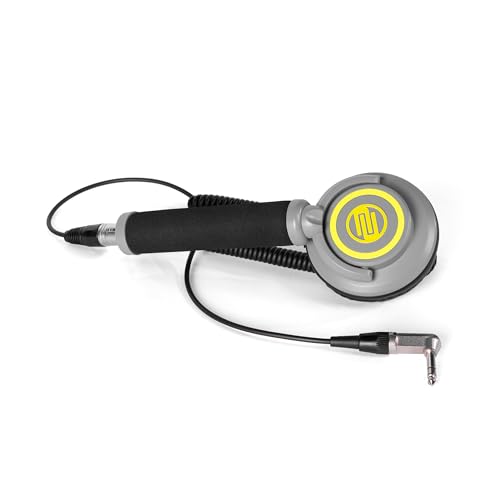
Reloop RHP-10 Mono Neon Professional Single-Ear DJ Headphone

MAONO MH700 Wired Studio Headphone (50mm)

OneOdio A71D Wired Over-Ear DJ Studio Headphone

Pioneer DJ HDJ-CUE1BT On-Ear Bluetooth Headphones
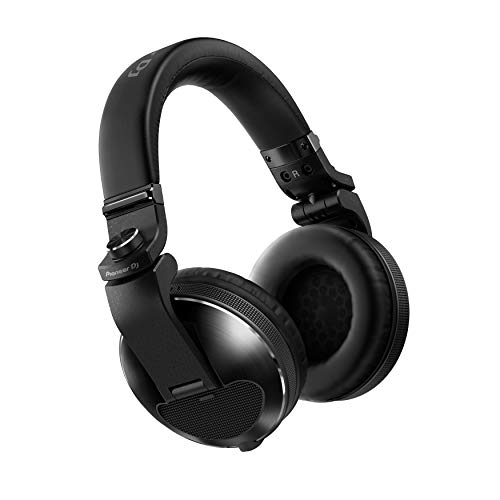
Pioneer DJ HDJ-X10 Flagship Over-Ear Headphones (Black)

Pioneer DJ HDJ-X10 Flagship Over-Ear Headphones (Silver)

syndesmos Wired Over-Ear Studio Monitor Headphones

syndesmos Wired Over-Ear Studio Monitor Headphones
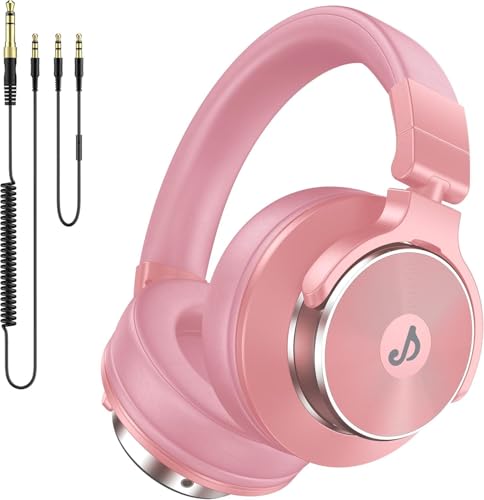
syndesmos Wired Over-Ear Studio Monitor Headphones
Taking A Closer Look At The Options
The TMA-2 is built around one idea: hear the low end clearly even when the room is already loud. Its 40mm bio-cellulose diaphragm pushes a bass-forward signature, and an internal vent keeps that low-end dynamic instead of muddy. On-ear fit matters here too, since the compact cups sit tight against your ears rather than swallowing them.
For anyone playing warehouse nights or cramped club booths, that combination of punch and isolation is the whole job. The memory foam under soft PU leather cushions also keeps pressure points down during long sets, which is where cheaper cans tend to fall apart.
Everyday Advantages
- Bass-focused tuning cuts through loud floor noise so your kick drum stays audible mid-set.
- Tight on-ear seal blocks booth chatter without the bulk of full over-ear shells.
- Memory foam cushions reduce ear fatigue across multi-hour sessions.
- Clean output at high volume means you can cue hard without distortion creeping in.
Small Caveats
- On-ear pads press directly on the ear, so some users find them warmer than over-ear designs during summer gigs.
- PU leather cushions are wipeable but will show wear after heavy touring; replacements are worth budgeting for.
At A Glance
Made For
Club and bar DJs who play loud rooms weekly and want bass they can trust without spending flagship money.
Where Another Pick Shines
Home producers splitting time between mixing and studio work will get more balance from the MAONO MH700 below.
Most headphones on this list cover both ears. The Reloop RHP-10 Mono deliberately doesn’t, putting one 50mm neodymium driver over a single ear so you can preview a track while one ear stays open to the room. Mobile DJs working weddings and corporate events tend to love this setup because it keeps them connected to clients and crowd alike.
The kick-bass emphasis in its tuning makes beatmatching by feel straightforward, and the single-sided design means less heat buildup over a long night. It’s a niche tool, though, not an everyday pair.
Practical Pluses
- One-ear format lets you cue and talk to people at the same time.
- 50mm neodymium driver delivers kick-heavy sound with enough headroom for demanding environments.
- Less clamping pressure than full-size cans, which helps across long mobile gigs.
Things To Consider
- Single-ear monitoring sacrifices stereo imaging, so precision mixing tasks suffer compared to the AIAIAI TMA-2.
- You’ll want to check the headband adjustment periodically; single-side weight distribution can loosen fit over time for some owners.
Right Fit For
Mobile and event DJs who need constant awareness of the room while cueing tracks quickly.
Swap It Out When
Studio producers who rely on stereo detail should reach for the OneOdio A71D instead, since its swiveling cups offer similar flexibility with both channels intact.
Where the AIAIAI leans bass-forward, the MH700 aims for balance. Its closed-back, over-ear shell houses 50mm dynamic drivers tuned for even highs, mids, and lows across a 20Hz to 20kHz range, which makes it equally at home behind decks and in front of a microphone. Podcasters who DJ on weekends get two jobs done with one purchase.
The dual 3.5mm to 6.35mm jack arrangement matters more than it sounds: you can plug straight into a mixer, an audio interface, a guitar amp, or a keyboard without hunting for adapters.
Real Benefits
- Balanced frequency response reveals detail that bass-heavy DJ tunings mask during production work.
- Closed-back design limits bleed into microphones during recording sessions.
- Includes both 3.5mm and 6.35mm connections, so mixers and interfaces are covered out of the box.
- Large 50mm drivers deliver low distortion even at monitoring volumes.
Points To Note
- The balanced tuning lacks the low-end shove some club DJs expect; bass-focused listeners may find it polite.
- Stock cable management takes some getting used to, and coiling it loosely after each session prevents kinks.
Who Should Grab It
Hybrid creator-DJs recording podcasts or producing tracks who still need dependable cueing performance.
Consider Something Else When
Pure club work with loud systems favors the Pioneer DJ HDJ-CUE1BT, which prioritizes booth-ready monitoring over studio neutrality.
This is the entry point most first-time DJs should start with. The A71D uses 40mm drivers tuned for deep bass and clear mids, covers DJing, recording, and casual listening in one package, and costs a fraction of what pro brands charge. Nothing flashy, but the essentials are all present.
The 90-degree swiveling ear cups are the feature that earns its place here. Flip one cup outward for single-ear cueing, fold the whole pair flat into a bag, and you’ve got a travel-friendly rig that behaves like pricier hardware.
Useful Highlights
- Swiveling cups allow one-ear monitoring without removing the headphones entirely.
- Foldable frame slips into a backpack, ideal for gig-to-gig transport.
- Padded ear muffs and an adjustable band keep longer practice sessions comfortable.
- 40mm drivers give beginners a genuine taste of bass-forward DJ sound.
Honest Caveats
- Build materials feel lighter than the Pioneer models here, so rough handling shows up sooner.
- Owners commonly report the stock cable is the first component to need replacing, so gentle coiling pays off.
Quick Facts
The Right Fit
Students and bedroom DJs buying their first serious pair who want real features without real financial risk.
A Better Fit Elsewhere
Gigging professionals logging nightly hours will appreciate the durability of the Pioneer DJ HDJ-X10 further down this list.
Pioneer DJ built the CUE1BT to be the pair you practice on and then wear on the train home. Plug in the cable and you get accurate wired monitoring inherited from the company’s pro line; go wireless and it becomes an everyday commuter headphone. Very few options in this price range manage both roles credibly.
The foldable, on-ear form keeps it compact in a bag, and the styling matches Pioneer’s professional range closely enough that nobody at the booth will guess it’s the entry model. In our view, that’s exactly what a beginner needs: gear that grows with you instead of boxing you in.
The Upside
- Dual wired and Bluetooth operation covers both DJ duty and daily listening.
- Monitoring character draws on Pioneer’s pro-headphone DNA, so practice translates to club gear later.
- Foldable design travels easily between home setups and gigs.
Worth Noting
- Bluetooth mode isn’t suitable for actual mixing latency-wise; wired connection remains essential at the decks.
- On-ear cushions collect skin oils faster than larger pads, so a quick wipe-down after sessions keeps them fresh.
Who Will Love This
New DJs learning at home who also want one pair handling commutes, study sessions, and weekend practice.
Reach For A Different Pick When
DJs committed purely to wired club work get more isolation per dollar from the AIAIAI TMA-2 at the top of this list.
The X10 sits at the top of Pioneer’s DJ range, and the spec sheet explains why. A new 50mm driver reproduces frequencies from 5 Hz up to 40 kHz, far beyond audible range, with the practical benefit being cleaner channel separation and detail retrieval where it counts: hearing individual elements inside a dense festival mix.
Professional input shaped the design for festival and club conditions specifically. Compared to the budget OneOdio A71D earlier in this list, everything here feels engineered for nightly abuse rather than occasional practice.
Everyday Perks
- Wide 5 Hz to 40 kHz response resolves fine detail in busy, layered tracks.
- Strong left/right separation makes precise beatmatching and EQ decisions easier.
- Over-ear isolation holds up against festival-scale sound system spill.
- Build quality reflects its flagship positioning, designed for punishing tour schedules.
Trade Offs To Consider
- The investment only makes sense for regular performers; bedroom DJs won’t hear their money’s worth.
- Full-size over-ear construction runs warm in hot venues, a common note among touring owners.
The Numbers That Matter
Who It Suits Best
Working DJs playing clubs and festivals regularly who treat headphones as core professional equipment.
Another Choice May Suit
Casual listeners wanting flagship sound occasionally will find the syndesmos pick below delivers surprising value for home use.
Everything said about the black X10 applies here, because this is the same flagship headphone wearing a different finish. You get the identical 50mm driver, the same 5 Hz to 40 kHz range, and the same pro-informed build refined with input from touring DJs. The silver coloring simply stands out under booth lighting in a way the black version doesn’t.
Choosing between the two comes down to aesthetics and availability rather than sound. Some owners report the lighter finish hides scuffs slightly differently over years of road use, though both versions share the same rugged construction philosophy.
Benefits That Matter
- Identical high-resolution acoustic performance to the black flagship variant.
- Distinctive silver finish reads clearly in dim club environments.
- Pro-level channel separation supports confident mixing in complex sets.
Details To Watch
- Light-colored finishes tend to show grime and handling marks more visibly than black, so occasional cleaning keeps them looking sharp.
- Like its sibling, this is a specialist tool whose cost only pays off with frequent use.
Whose Shelf It Belongs On
Professional DJs who want flagship performance with a look that separates them visually from the standard black-cans crowd.
Skip It When
Budget-conscious shoppers starting out should pick the OneOdio A71D instead and upgrade once gigging income justifies it.
Syndesmos plays the value game seriously. These over-ear monitors carry large 50mm drivers spanning 20Hz to 20kHz, promising dynamic bass, balanced mids, and clean treble in a package aimed squarely at DJs, mixers, and everyday music lovers. For a bedroom producer, that’s a lot of hardware for modest spend.
The lightweight design is the quiet selling point. Long mixing sessions at a desk benefit from a frame you forget you’re wearing, and that’s the scenario these suit best. Don’t expect flagship refinement, but the fundamentals hold up.
Features That Help
- 50mm drivers deliver full-range sound with immersive stereo width for detailed listening.
- Lightweight over-ear build reduces neck strain across marathon home sessions.
- Frequency coverage from 20Hz to 20kHz captures bass depth and treble air alike.
Where It May Fall Short
- Noise isolation trails dedicated DJ models like the AIAIAI TMA-2 in genuinely loud rooms.
- Long-term durability is unproven compared to established brands, so treating the cable gently extends its life.
Core Details
Best Suited To
Home producers and students who log long desk hours and prioritize comfort alongside respectable sound.
Not Your Match When
Booth work in loud venues calls for the tighter isolation of the Pioneer DJ HDJ-CUE1BT in wired mode.
This listing shares its acoustic foundation with the syndesmos pick above: 50mm drivers, a 20Hz to 20kHz range, and a wired-only signal path that sidesteps battery concerns entirely. The difference lies in positioning within the brand’s lineup, with this variant marketed toward DJs, mixers, and recording artists specifically.
Wired-only might read as a limitation, but for DJ work it’s a feature. Zero latency, zero charging, zero wireless dropouts mid-set. Depending on how often you perform live, that reliability can matter more than convenience features you’d rarely touch anyway.
The Value In It
- Pure wired connection guarantees consistent, delay-free monitoring at the decks.
- Large 50mm drivers produce bass presence suitable for electronic music genres.
- No batteries mean no mid-session power anxiety during long performances.
Points To Keep In Mind
- Being a newer brand, spare parts and replacement pads may be harder to source than for Pioneer or OneOdio models.
- Earcup padding benefits from periodic checks; loose seams are the failure point most commonly reported on budget headphones generally.
Built With In Mind
Bedroom mixers and hobbyist DJs who want dependable wired monitoring without stretching their budget.
Where A Sibling Pick Shines
Listeners wanting extra comfort for non-stop sessions will prefer the syndesmos Comfort Choice variant listed next.
Rounding out the list is another syndesmos configuration, again built on 50mm drivers and full-range 20Hz to 20kHz reproduction. What distinguishes this variant is its emphasis on maximum comfort and lightweight wear, making it the option to consider when listening sessions routinely stretch past a couple of hours.
Think late-night production runs, long playlist edits, or study sessions with music in the background. The honest read is that it won’t outperform the Pioneer HDJ-X10 sonically, but for sheer easy-wearing value it holds its own surprisingly well.
Practical Advantages
- Emphasis on lightweight construction keeps long sessions fatigue-free.
- 50mm drivers supply dynamic bass and precise treble for enjoyable everyday listening.
- Full 20Hz to 20kHz coverage handles both mixing reference and casual use.
A Few Limitations
- Comfort-focused padding trades some clamp force, so isolation in noisy spaces is limited compared to the AIAIAI TMA-2.
- Storing them on a stand rather than crushed in a bag preserves headband shape over time.
Essential Details
Perfect Match For
Home listeners and producers who wear headphones for hours daily and rank comfort above raw isolation.
Look Elsewhere When
Loud venue cueing demands the sealed, bass-punchy design of the AIAIAI TMA-2 rather than this relaxed fit.
What Matters Most Before Choosing Value Dj Headphones
Isolation Comes First
DJ headphones live or die by how much outside sound they block. Closed-back designs with firm clamping force let you cue a track over a roaring sound system, which open or loose-fitting styles simply can’t do. Playing house parties or bars puts isolation at the top of your checklist.
Driver Size And Tuning
Driver diameter hints at output capability, with 40mm suiting compact on-ear designs and 50mm appearing in fuller over-ear builds. Tuning matters just as much: bass-forward signatures help in loud rooms, while balanced profiles serve production work better. Match the character to where you’ll actually use them.
Wired Versus Wireless
Latency makes Bluetooth unusable for live mixing, so any serious DJ pair needs a wired mode. Hybrid models like the Pioneer HDJ-CUE1BT split the difference nicely, offering cable-free commuting and cable-connected cueing in one unit. Purely wired picks trade convenience for reliability.
Comfort Over Long Sessions
Cushion material, clamping pressure, and overall weight determine whether hour three feels fine or miserable. Memory foam and generous padding earn their keep during extended sets, and lighter frames reduce neck strain at long desks.
Key Considerations Across These Picks
Traps First Timers Fall Into
Chasing driver size alone leads many shoppers astray; a well-tuned 40mm design like the AIAIAI often outperforms a mediocre 50mm. Skipping the wired requirement is the second common error, since Bluetooth-only pairs can’t handle live cueing. Read the connection details before committing.
Why Top Tier Costs More
Flagship models such as the Pioneer HDJ-X10 spend their extra cost on wider frequency response, tighter channel separation, and construction rated for nightly touring. Casual users won’t notice the difference. Working DJs playing four nights a week absolutely will, which is when the upgrade stops being indulgent.
Frequently Asked Questions
Do I need expensive headphones to start DJing?
No. The OneOdio A71D and syndesmos options cover fundamental cueing and mixing at modest prices. Upgrade once your skills and gig schedule demand more.
Can I mix using Bluetooth headphones?
You shouldn’t. Wireless transmission adds latency that throws off beatmatching, so always connect via cable for live mixing.
What does closed-back mean?
It describes ear cups sealed to prevent sound escaping or entering. That seal provides the isolation DJs depend on in loud environments.
How long do DJ headphones typically last?
With reasonable care, quality pairs endure several years of regular use. Cables and ear pads are usually the first components needing replacement.
Are on-ear or over-ear styles better for DJs?
On-ear designs stay cooler and lighter; over-ear models isolate better and feel more immersive. Club DJs generally favor over-ear, while mobile DJs often prefer on-ear.
Closing Remarks
The right pair depends honestly on where you play. Bedroom producers should look hard at the MAONO MH700 or the syndesmos trio, while gigging DJs get proven value from the AIAIAI TMA-2 and eventual flagship polish from the Pioneer HDJ-X10. Start where your budget and your schedule intersect, and let your ears justify the next step up.
