


Windows gaming laptops cover a wide range, from slim machines for travel to heavier rigs built for long sessions at a desk. The right one depends on how sharp you want the display, how much graphics headroom you need, and whether you care more about portability or cooling. This roundup keeps those trade-offs front and center, so your choice fits the way you actually game.
The Shortlist At A Glance

ASUS ROG Strix G16 (2025) G615JMR-AS74
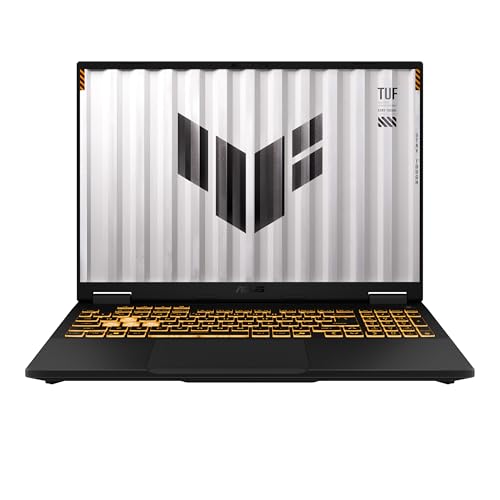
ASUS TUF Gaming F16 (2025)
ASUS ROG Strix G16 (2025) G615LR-AS96

msi Katana 15 HX B14WGK-016US

Acer Nitro V 16S AI ANV16S-41-R2AJ

Alienware 16 Aurora

HP Victus 15.6″ Performance Blue
More Details On Our Top Picks
The G16 lands in that comfortable middle ground where speed, screen smoothness, and storage line up without feeling overbuilt. The 16-inch 16:10 panel gives you a taller workspace for game menus and everyday browsing, while the 165Hz refresh rate keeps motion crisp for fast titles. A daily commuter may find it less portable than slimmer laptops, but the trade-off makes sense for desk-first gaming.
Compared with the TUF F16 below, this one steps up in GPU class and overall polish, so it suits you better when you want stronger headroom for newer games. The 1TB Gen 4 SSD helps with larger installs, and the Wi-Fi 7 support is handy in homes where your network already keeps up. The honest read is that it feels like a confident all-rounder, not a budget shortcut.
Strong Points
- RTX 5060 graphics give you more breathing room in modern games.
- 165Hz display motion feels smooth in shooters and racing games.
- 1TB SSD leaves room for several large installs and launchers.
- 16GB DDR5 memory supports everyday multitasking without feeling cramped.
Things To Consider
- The bigger 16-inch chassis is less convenient in tight bags.
- Wi-Fi 7 helps most in a newer home network setup.
Feature Card
Who It Suits Best
You suit this laptop best if you want a balanced Windows gaming machine with enough power for current releases and a screen that feels quick under the hand.
Where A Sibling Pick Shines
ASUS TUF Gaming F16 fits better for you if you want a simpler, more straightforward option for mixed school, work, and gaming use.
This one is easier to live with than flashier rigs because the parts are sensible for the money and the styling stays restrained. The 16-inch 16:10 screen with a 165Hz refresh rate gives you a nice balance for gaming and homework, and the RTX 5050 keeps the system in the mainstream lane. In a dorm room or shared desk setup, that sort of balance matters more than flashy extras.
Compared with the ROG Strix G16, the TUF F16 gives up some graphics muscle, but it also asks less from your wallet and your power outlet. The 512GB PCIe Gen4 SSD is fine for a starter library, though you may want to manage installs more closely than on the 1TB Strix model. The honest read is that this feels steady rather than exciting, and that’s exactly why it works.
What We Like
- 16:10 panel gives you extra vertical space for browsing and spreadsheets.
- 165Hz refresh rate keeps motion clean in fast games.
- Intel Core i5-13450HX gives you a capable entry into HX-class power.
- RTX 5050 is a sensible match for mainstream gaming.
- 16GB DDR5 helps with day-to-day multitasking.
Areas To Watch
- 512GB storage can fill quickly with larger modern titles.
- RTX 5050 is a step below the stronger picks in this roundup.
Who Should Grab It
You suit this model best if you want a dependable gaming laptop for school, casual play, and everyday use without overcommitting to higher-end parts.
Reach For A Different Pick When
ASUS ROG Strix G16 (2025) G615JMR-AS74 is the better fit for you if stronger graphics and a larger SSD matter more than keeping the setup simple.
This Strix model is built for you when gaming intensity matters more than keeping things modest. The 2.5K ROG Nebula panel pushes sharper detail than the FHD+ screens above it, and the 240Hz refresh rate gives fast action a very clean feel. A long session on this kind of setup tends to feel like the hardware is getting out of the way, which is exactly the point.
Compared with the base G16, this version steps up to an RTX 5070 Ti, 32GB of DDR5 memory, and an Intel Core Ultra 9 processor, so it fits heavier games and more demanding multitasking. The 1TB SSD keeps loading and storage practical, while Wi-Fi 7 is a nice match for a newer network. The trade-off is simple, it’s the most serious option here, so it makes the most sense for you only when you can use that extra headroom.
Bright Spots
- 2.5K resolution brings a sharper, cleaner image than FHD+ panels.
- 240Hz refresh rate suits fast competitive play very well.
- RTX 5070 Ti gives you strong graphics headroom.
- 32GB DDR5 is useful for gaming, streaming, and heavier multitasking.
- 1TB SSD keeps larger libraries easier to manage.
Minor Gripes
- The higher-spec build makes more sense for serious use than casual gaming.
- The stronger panel and hardware are likely more than some setups need.
Core Details
Built With In Mind
You fit this laptop best if you want high-refresh gaming, sharper visuals, and enough memory for streaming or creative work on the side.
Look Elsewhere When
ASUS ROG Strix G16 (2025) G615JMR-AS74 is the better fit for you if you want a similar look and feel without moving all the way up to this level of hardware.
The Katana 15 HX feels tuned for people who want a fast machine first and a flashy machine second. Its 15.6-inch QHD+ screen gives you more detail than the 1080p panels in the ASUS and HP picks, while the 165Hz refresh rate keeps motion smooth enough for competitive play. In a desk setup, that mix feels sharp without getting too ornate.
The Intel Core i9-14900HX and RTX 5070 put it closer to the stronger Strix models than to the more modest laptops in this roundup. Compared with the Alienware 16 Aurora, you get a little more raw spec density here, including 32GB of DDR5 memory and a 1TB NVMe SSD. The honest read is that it suits you best if you care more about performance per inch than about a softer, roomier chassis.
Best Bits
- QHD+ resolution gives you a sharper picture on a 15.6-inch panel.
- Intel Core i9-14900HX is built for heavier workloads.
- RTX 5070 adds strong gaming headroom.
- 32GB DDR5 helps with multitasking and background apps.
Softer Spots
- 15.6-inch size may feel tighter than 16-inch alternatives.
- RGB keyboard styling may not suit every desk setup.
- QHD+ resolution can ask more from the GPU than FHD+ screens.
Right Fit For
You fit this laptop best if you want a compact-but-serious Windows gaming machine for fast action and sharper visuals.
A Better Fit Elsewhere
Alienware 16 Aurora is the more relaxed choice for you if you want a sleeker look and a slightly calmer overall design.
Portability is the first thing that stands out here, and that matters a lot for commuting students or anyone who moves between rooms often. The 16-inch WUXGA IPS panel gives you a practical middle ground, with the 180Hz refresh rate adding smoothness that helps fast titles feel responsive. The 32GB of DDR5 memory and 1TB Gen 4 SSD also make it easier to keep a few large games and everyday apps close at hand.
Compared with the TUF F16, this Acer leans a little more toward mobility while still keeping a strong spec sheet. The Ryzen 7 260, RTX 5060 Laptop GPU, and Wi-Fi 6 make it a sensible fit for players who want a travel-ready machine rather than a heavy desk anchor. The trade-off is that its network hardware is one step behind Wi-Fi 7 systems, so it feels most natural in a straightforward home setup.
Upsides
- 16-inch size stays manageable for travel and daily carry.
- 180Hz panel helps fast games look smooth.
- 32GB DDR5 is generous for multitasking and launchers.
- 1TB Gen 4 SSD gives you room for a solid game library.
Small Caveats
- Wi-Fi 6 is fine, though newer network gear may offer more.
- The travel-friendly frame suggests a lighter build, not a tank-like chassis.
Details At A Glance
Perfect Match For
You suit this laptop best if you want a mobile gaming setup that still has enough memory and storage for serious everyday use.
Swap It Out When
ASUS ROG Strix G16 (2025) G615LR-AS96 makes more sense for you if stronger graphics and a higher-resolution panel matter more than portability.
Alienware’s smaller-footprint 16 Aurora leans into a cleaner look than the more aggressive gaming shells in this roundup. The anodized aluminum lid gives it a more polished feel, and the 16-inch WQXGA 120Hz display offers a good fit for single-player games, schoolwork, and general use. In most rooms, the restrained design will feel easier to live with than a louder RGB-heavy machine.
Compared with the MSI Katana 15 HX, this pick is less about packing in the most obvious spec density and more about offering a balanced premium shell. The RTX 5050 and Intel Core 7 240H sit in a practical range for mainstream gaming, while the 300-nit panel brightness helps in brighter spaces. The catch is that it’s a calmer, lower-refresh option than the faster 165Hz and 240Hz models above.
Reasons To Buy
- Anodized aluminum lid gives the laptop a refined exterior.
- WQXGA resolution improves detail over basic 1080p screens.
- 120Hz refresh rate is smooth enough for many game genres.
- 300 nits brightness helps in brighter indoor spaces.
Points To Note
- 120Hz is gentler than the faster panels on the ASUS and MSI picks.
- RTX 5050 is best for mainstream rather than heavy-duty gaming.
Whose Shelf It Belongs On
You fit this laptop best if you want a cleaner-looking Windows gaming machine that can move between work, play, and everyday use without shouting for attention.
Another Choice May Suit
msi Katana 15 HX B14WGK-016US is the better match for you if a sharper QHD+ panel and stronger raw gaming focus matter more.
The Victus keeps things straightforward, which is exactly why it fits casual gaming so neatly. A 15.6-inch Full HD display with 144Hz refresh is a familiar setup, and the backlit keyboard helps during late-night sessions or dim rooms. For a shared bedroom or small desk, it feels like a tidy compromise instead of a big footprint.
Compared with the rest of this list, the RTX 3050 and Intel Core i5-12450H put it lower on raw performance, but that also makes the laptop easier to think about for lighter play and daily tasks. The 16GB RAM, 512GB PCIe SSD, and Wi-Fi 6 round out a clean entry-level package. The honest read is that it suits you best when you want the basics done well and do not need high-end graphics headroom.
Highlights
- 144Hz screen still feels responsive for casual gaming.
- 15.6-inch size is easier to place on smaller desks.
- 16GB RAM helps with everyday multitasking.
- Backlit keyboard is useful in low-light rooms.
Worth Noting
- RTX 3050 sits below the stronger graphics options in this roundup.
- 512GB storage is modest for larger game libraries.
- 15.6-inch chassis offers less screen space than 16-inch models.
Feature Rundown
Who Will Love This
You fit this laptop best if you want a compact, approachable Windows gaming machine for casual play and everyday work.
Where Shoppers Go Wrong
ASUS ROG Strix G16 (2025) G615JMR-AS74 is the better fit for you if you already know you need stronger graphics and more storage room.
What Matters Before You Choose A Windows Gaming Laptop
Screen And Motion
A higher refresh rate, such as 165Hz or 240Hz, helps fast games feel smoother, while 16:10 screens give you more vertical room for menus and daily tasks. Resolution matters too, since 2.5K and QHD+ panels look sharper but usually ask more of the GPU.
Graphics And Headroom
RTX 5050, 5060, and 5070-class machines sit in different performance lanes, so the graphics chip should match the games you actually play. Heavier titles, streaming, and creative work benefit from the stronger tiers, while lighter libraries can live comfortably on modest hardware.
Storage, Memory, And Mobility
16GB RAM is a workable baseline, though 32GB gives you more space for multitasking and larger background loads. A 1TB SSD is easier to live with than 512GB once your library grows, and slimmer chassis help on the move, even if they sometimes run warmer under long sessions.
Where The Trade-Offs Usually Show Up
Hidden Buying Traps
A common mistake is chasing the highest refresh rate without checking graphics power, because the display and the GPU need to stay in step. Another is ignoring storage, then running out of room after a few large installs.
The Upgrade Payoff
Higher-tier models cost more because they usually pair stronger processors, more capable graphics, faster screens, and larger memory buffers. That extra spend makes sense for you when gaming is a regular habit, not just an occasional break.
Frequently Asked Questions
What size works best for gaming?
A 16-inch laptop gives you a comfortable balance of screen space and desk use. A 15.6-inch model feels easier to carry, but it looks and feels tighter.
How much memory do you need?
16GB works well for most everyday gaming setups. 32GB helps when you keep several apps open or use the laptop for heavier multitasking.
Is a higher refresh rate always better?
A higher refresh rate helps motion feel smoother, especially in fast games. It still matters more when the GPU can keep pace with the panel.
Is 512GB enough storage?
It covers the basics, but larger modern games fill that space quickly. A 1TB SSD gives you more breathing room and fewer install choices to juggle.
Which graphics tier should you choose?
RTX 3050 suits lighter gaming, while RTX 5050 and RTX 5060 step up for more current titles. RTX 5070-class laptops make the most sense when you want stronger headroom for demanding play.
Final Thoughts
You have a lot of room to match a Windows gaming laptop to your habits, and that’s the real advantage here. The ASUS ROG Strix G16 models suit you best at the high end, the Acer and HP picks keep things more approachable, and the MSI and Alienware options sit in between with distinct personalities. Choose the one that fits your space, your game library, and how often you carry it around.
