


Cables are back, and honestly it makes sense. No charging anxiety, no pairing screens, no mid-call dropout, just plug in and listen. This shortlist covers over-ear sets for school and study, pocket-friendly earbuds, and a couple of trusted classics, so you can match the right corded pair to your day without overspending.
How The Shortlist Stacks Up

AILIHEN C90 Wired Headphones with Mic Volume Control Grey

Wired Headphones with Mic, 3.5mm Volume Control Black

Skullcandy Jib Wired Earbuds with 3.5mm AUX Plug – Miami
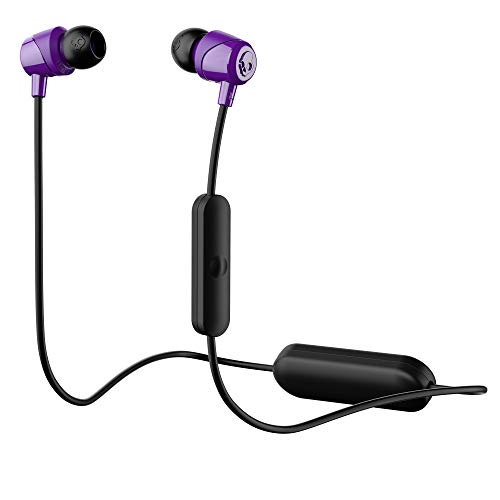
Skullcandy Jib Wireless in-Ear Earbud – Purple

Skullcandy Jib Wired Earbuds with 3.5mm AUX Plug – Red
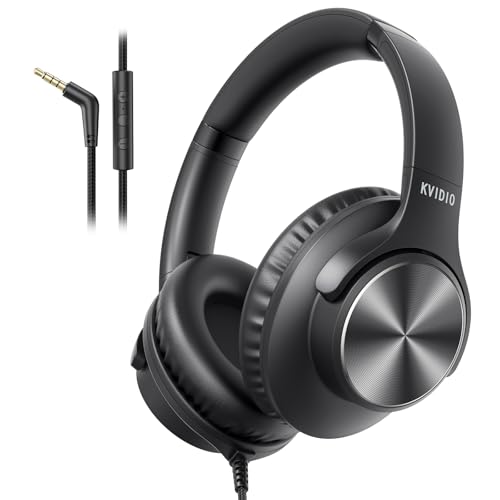
Wired Headphones with Mic, Over-Ear 3.5mm Corded Black

Sony ZX Series Wired On-Ear Headphones MDR-ZX110 Black

Sony ZX Series Wired On-Ear Headphones MDR-ZX110 Pink

Sony ZX Series Wired On-Ear Headphones MDR-ZX110 White

Apple EarPods Headphones with USB-C Plug
The Details Behind The Selections
Open-plan offices and shared dorm rooms chew through concentration, and that’s where passive noise isolation earns its keep. The C90 wraps padded over-ear cups around your ears to muffle chatter before it reaches you, no batteries required.
A 40mm DLC dynamic driver sits inside each cup; that’s diamond-like carbon coating on the diaphragm, which tends to keep bass and treble from smearing into one another. For podcasts and playlists during an eight-hour desk day, most owners report it holds up well.
Points In Its Favor
- Over-ear isolation cuts ambient office and classroom noise without any electronics
- 40mm coated drivers deliver balanced bass and treble with a crisp middle range
- In-line mic and volume control handle calls without touching your device
- Grey finish looks understated in professional settings
- No charging means it’s always ready when you grab it
Things To Consider
- Passive isolation only softens low rumbles like plane engines, it doesn’t erase them
- Over-ear pads can trap warmth during long summer sessions
Who It Suits Best
Anyone working or studying near other people who wants focused listening without paying active-noise-cancellation prices.
Where Another Pick Suits Better
Listeners who prefer something lighter on the head will get more mileage from the Sony ZX Series MDR-ZX110 Black below.
School headphones live a rough life: stuffed into backpacks, borrowed by classmates, yanked off desks. KVIDIO designed this pair around exactly that routine, keeping things simple with a standard 3.5mm plug and an in-line remote.
The honest catch is compatibility. The volume button doesn’t respond on desktop computers and some laptops, so there you’d adjust loudness from the device itself instead. Phones and tablets handle it normally, which covers most classroom scenarios anyway.
What Earns Its Place
- Built-in microphone makes virtual lessons and voice notes straightforward
- In-line volume slider works on phones and tablets for quick adjustments
- Standard 3.5mm jack plugs straight into school Chromebooks and tablets
- Black colorway hides scuffs from daily bag storage
Small Caveats
- Volume control is unsupported on desktops and some laptops, per the manufacturer
- Devices lacking a headphone jack need a separate 3.5mm adapter
Made For
Students attending online classes or language labs on tablets and phones, especially where a durable spare pair matters.
Reach For A Different Pick When
Desktop users wanting richer audio should step up to the KVIDIO over-ear model at number six, which adds larger drivers.
Sometimes you don’t want an app, a case, or a charge cycle. The Jib in this bright Miami colorway is about as stripped-back as earbuds get: plug them into any aux port and they play. That directness is why they make such good glovebox and gym-bag residents.
An in-line remote handles calls and media, and Skullcandy includes two ear tip sizes so you can find a snug seal. A decent seal also improves isolation, which matters more than raw power at this level.
What Makes Sense
- Instant connection to any 3.5mm port, zero setup involved
- Two included tip sizes help you dial in a comfortable fit
- In-line mic and remote cover calls, tracks, and volume
- Vivid Miami color is easy to spot inside a crowded bag
Points To Note
- Thin budget cables are the first thing to wear out, so gentle coiling helps
- Earbud style lets in more outside noise than over-ear designs
The Right Fit
Anyone after a cheap, dependable secondary pair for commutes, workouts, or lending out without worry.
Swap It Out When
Listeners wanting wireless freedom should look at the Skullcandy Jib Wireless Purple edition instead.
This one bends the wired theme slightly, and deliberately so. It keeps the neck cable between the two buds but drops the wire to your phone entirely, using Bluetooth instead. Around six hours of rechargeable battery per session suits a full day of errands or a few gym visits between top-ups.
You still get the in-line microphone plus call and track controls, so nothing practical disappears when the cable does. Compared with the wired Jibs above, you trade plug-anywhere certainty for tangle-free movement.
Where It Helps
- Roughly six hours of battery covers most days away from a charger
- Bluetooth removes the pocket-tangle problem entirely
- In-line mic handles calls without pulling out your phone
- Neck cable design means losing a single bud is far less likely
Less Ideal Details
- Needs periodic recharging, unlike every fully wired pick here
- Battery capacity fades gradually over years of daily cycling
Feature Snapshot
Who Should Grab It
Active listeners who want bud-style convenience with a safety cable, particularly runners and commuters.
Another Choice May Suit
People whose devices still carry a 3.5mm jack will find the wired Skullcandy Jib Red simpler and maintenance-lighter.
Identical hardware to the Miami Jib above, dressed in red instead. Same instant aux connection, same two-tip sizing kit, same in-line remote. Choosing between them is purely a color decision, which is refreshingly low-stakes.
Where this shade earns its keep is visibility: a red cable is harder to lose down a couch cushion or leave behind in a hotel room. Parents buying for kids often lean toward it for exactly that reason.
What Helps Most
- Works instantly with anything carrying a 3.5mm jack
- Interchangeable tips let siblings share a comfortable fit
- Bright red color stands out in bags and drawers
- Inexpensive enough to keep as a designated spare
Worth Bearing In Mind
- Cable strain near the plug is the common failure point, so avoid sharp bends
- Sound leans basic next to the larger-driver options later in this list
Right Fit For
Families and frequent travelers stocking a reliable backup pair that costs little and asks for nothing.
Look Elsewhere When
Long study sessions call for the fuller over-ear comfort of the AILIHEN C90 at number one.
KVIDIO’s second entry steps up from the smaller model at number two with full-size 40mm drivers, the component that physically moves air to create sound. Bigger diaphragms generally mean deeper bass and clearer dialogue, which shows up fast on video lectures and calls.
The over-ear cups sit around rather than on the ear, spreading pressure more evenly across long homework sessions. Like its sibling, the volume button skips desktop support, so plan on adjusting levels from the computer itself.
Strengths Worth Knowing
- 40mm drivers produce balanced stereo with defined highs and real bass depth
- Over-ear padding stays comfortable through multi-hour lessons
- Microphone keeps video calls and voice chats clean
- Standard 3.5mm plug works across tablets, phones, and laptops with a jack
Practical Considerations
- In-line volume control isn’t supported on desktops and certain laptops
- Jack-less devices require an additional 3.5mm conversion adapter
Who Will Love This
Remote learners and home-office workers who want fuller sound than earbuds provide without a big spend.
Not Your Match When
Travelers prioritizing packability will prefer the foldable Sony MDR-ZX110 Black, which swivels flat into a bag.
Some products stick around because they quietly do their job, and the ZX110 is the textbook example. Neodymium magnets inside the 1.38-inch dome drivers give these cans their punchy, rhythmic character; neodymium is simply a strong lightweight magnet that lets small drivers move air efficiently.
The earcups swivel flat, which turns a bulky-looking headset into something slim enough to slide beside a laptop. On a long-haul flight or a packed train, that folding trick matters more than any spec sheet line.
The Helpful Details
- Large neodymium drivers deliver energetic bass-forward sound
- Swiveling earcups collapse for compact packing
- Lightweight frame avoids neck fatigue on long trips
- No mic clutter, just a clean single-purpose audio cable
Factors To Consider
- No in-line microphone, so calls mean switching devices
- On-ear pads press directly against the ear, which some find tiring after hours
Key Specs
Who It Suits Best
Commuters and flyers who want big-brand sound that packs down small and never needs charging.
A Better Fit Elsewhere
Callers who need a microphone should choose the Apple EarPods USB-C at number ten instead.
The pink ZX110 carries a slightly smaller 30mm driver than the black version above, tuned for a rich full-frequency response rather than outright punch. In practice that reads as smoother vocals and gentler highs, which many listeners find easier on the ears across a whole afternoon.
It keeps the same winning formula elsewhere: a featherlight on-ear build, swiveling cups for packing, and roughly a 47-inch cable that reaches a desktop tower or seatback jack without stretching.
Real Benefits
- 30mm dome drivers give balanced, easy-listening sound
- Very light chassis reduces pressure points over time
- Swivel design folds the cups flat for storage
- Pink finish appeals to students personalizing their setup
Small Limitations
- Lacks a microphone for calls or classroom speaking tasks
- Light plastic hinges reward careful handling over rough treatment
Built With In Mind
Casual listeners and students who value comfort and color over heavy bass and call features.
Consider Something Else When
Bass-first listeners chasing more drive should go for the black MDR-ZX110 with its larger 1.38-inch drivers.
White closes out the ZX trio, matching the black model’s 1.38-inch neodymium drivers and punchy tuning one for one. The difference is presentation: this clean finish suits bright desks, minimal setups, and anyone tired of all-black accessories.
Owners commonly report these lasting years of daily use, though the white shell does show scuffs sooner than darker colors. A quick wipe with a damp cloth keeps the pads looking fresh, which is about all the upkeep they ask for.
A Few Strong Suits
- Same energetic neodymium-driven sound as the black ZX110
- Earcups pivot flat for drawer or backpack storage
- Minimalist white styling blends into tidy workspaces
- Simple passive design means almost nothing can malfunction
Details To Watch
- White surfaces show marks and grime faster than black or pink versions
- No microphone limits it to pure listening duty
At A Glance
Whose Shelf It Belongs On
Desk workers and minimalist listeners who want proven sound in a lighter color scheme.
Where A Sibling Pick Shines
Classrooms needing voice input are better served by the KVIDIO over-ear pair with its built-in microphone.
Most earbuds use a round barrel shape because it’s cheap to mold. Apple shaped the EarPods around the geometry of the human ear instead, and that single decision explains why they stay put and feel comfortable for far more people than generic buds do.
The speakers aim sound directly toward the ear canal while limiting loss, and a pinch of the cord answers calls, skips tracks, and adjusts volume. One caveat worth knowing: they connect only through USB-C ports, so older Lightning or 3.5mm devices are out of luck.
Real-World Strengths
- Ear-shaped housing fits a wider range of people comfortably
- Cord remote manages playback, calls, and volume by touch
- Tuned speakers reduce sound loss for cleaner output
- USB-C plug matches current iPhones, iPads, and laptops
Things To Weigh Up
- USB-C only connectivity excludes older ports without an adapter
- Open-fit design passes through surrounding noise by design
Quick Facts
Perfect Match For
iPhone and iPad owners on recent USB-C hardware who want effortless wired calls and music.
Skip It When
Anyone with a 3.5mm-only laptop will be happier with the Skullcandy Jib Miami earbuds from earlier in this list.
What Matters Most Before Choosing Wired Headphones
Fit Decides Everything
An uncomfortable pair gets abandoned within a week, regardless of sound quality. Over-ear cups surround the ear and suit marathon sessions; on-ear designs press lightly and pack smaller; earbuds disappear into a pocket but let ambient noise through. Match the format to how long you typically listen.
Jack Type And Compatibility
Check your actual devices first. Many current phones have dropped the 3.5mm jack entirely, which pushes you toward USB-C models like the EarPods or a small adapter. Desktop users should note that some in-line remotes don’t function on computers, so volume lives on the machine itself.
Driver Size And Sound Character
Larger drivers, measured in millimeters, usually move more air and produce fuller bass. A 40mm driver sounds noticeably bigger than a 30mm one, though tuning matters as much as raw size. Bass fans should lean large; podcast listeners won’t hear much difference.
Mic And Controls
Anyone taking calls or joining online classes needs a built-in microphone and an accessible remote. Pure music listeners can skip both and save money, since mic-free models like the Sony ZX series often cost less and fail less.
Smart Notes Worth A Minute
Traps First Timers Fall Into
The biggest mistake is ordering for the wrong port, then discovering your new laptop has no jack. Second is ignoring cable care: wrapping cords tightly around devices breaks internal wires near the plugs, the single most reported failure point in this price bracket.
When Paying More Pays Off
Higher-tier wired models spend extra on driver materials like coated diaphragms, better padding, and reinforced connectors. Daily commuters and long-session workers feel those upgrades within days. Occasional users gain little, so spending up only makes sense for frequent ears-on time.
Frequently Asked Questions
Are wired headphones still worth using in 2026?
Absolutely, especially for desk work, gaming, and study where latency and charging matter. They also cost less over time since there’s no battery to degrade.
Why won’t my headphone’s volume button work on my computer?
Many in-line remotes are designed for phone protocols that desktops ignore. Adjust volume through your computer’s own settings instead.
Do bigger drivers always mean better sound?
Not always, though they tend to produce stronger bass. Tuning quality and fit influence what you hear just as much as driver diameter.
How long do budget wired headphones typically last?
Cable strain near the plug is the usual failure point, often within a year or two of heavy use. Loose coils and strain relief extend lifespan considerably.
Can I use USB-C earbuds with a 3.5mm device?
No, USB-C and analog jacks speak different languages. You’d need either a digital-to-analog adapter or a native 3.5mm pair.
Closing Thoughts
There’s a wired option here for nearly every listener: the AILIHEN C90 for focus, the KVIDIO pairs for classrooms, the Skullcandy Jibs for pockets and spares, the Sony ZX trio for proven everyday sound, and the EarPods for USB-C phones. Start with your main device’s ports, then pick the fit that matches your longest listening stretch. Whichever you land on, the cord will still be working years from now.
