


A good wired headset solves a deceptively simple problem: hearing and being heard without fussing over batteries or Bluetooth pairing. Whether you spend your days in back-to-back video calls or your evenings in competitive lobbies, a cable means zero latency, no charging routine, and one less device to babysit. The ten options below cover both sides of that world, from office-first designs tuned for Teams calls to gaming models built around big drivers and positional sound. Each one earns its spot through specific strengths, and the honest trade-offs are spelled out so you can match the right model to how you actually work and play.
A Snapshot Of The Selections

Razer Kraken V3 X Wired USB Gaming Headset
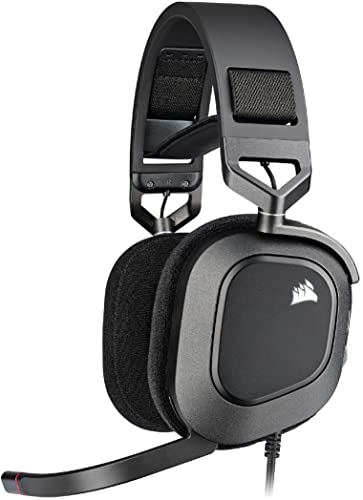
Corsair HS80 RGB USB Wired PC Gaming Headset

Poly Blackwire 5220 Wired Headset
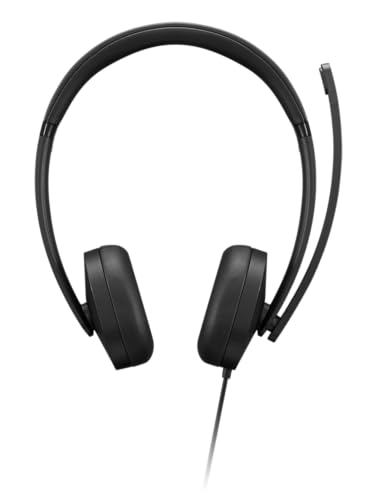
Lenovo USB-A Wired Stereo Headset

Razer BlackShark V2 X Gaming Headset (Black)

Razer BlackShark V2 X Gaming Headset, Green

Razer BlackShark V2 X Gaming Headset, Quartz Pink

Razer BlackShark V2 X Gaming Headset SE White

Razer BlackShark V2 X Gaming Headset White
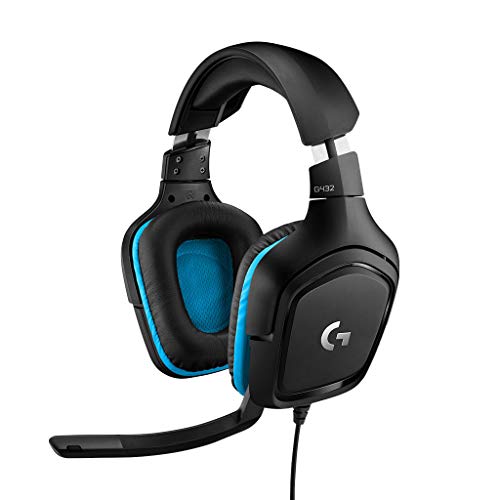
Logitech G432 Wired Gaming Headset
Meet The Standout Selections
Weight is where this Kraken makes its case. At 285 grams, it sits noticeably lighter than most USB headsets in its class, which matters more than you’d think once hour four of a session rolls around and heavier cups start pressing on your jaw.
The single USB connection handles audio, mic, and Chroma RGB lighting together, so setup stays clean on a desktop with limited ports. Fortnite Edition styling gives it personality, though the design leans playful rather than understated.
The Case For It
- The 285g frame keeps pressure off your neck during multi-hour play
- Triforce 40mm drivers split highs, mids, and lows into separately tuned chambers, so vocals stay clear while bass still lands hard
- A bendable HyperClear cardioid boom positions the pickup right at your mouth, capturing voice while rejecting keyboard clatter
- 7.1 surround support sharpens directional cues in shooters
- Chroma RGB adds desk-matching flair through the same cable
Small Caveats
- USB-only connectivity means no console use through a controller jack
- Owners commonly note the plastic build feels less armored than pricier Razers, so gentle handling pays off
Key Specs
Who Will Love This
PC-first gamers who log marathon sessions and want RGB flair without neck strain.
A Better Fit Elsewhere
Players hopping between PC and consoles will get more mileage from the Razer BlackShark V2 X (Black) and its universal 3.5mm jack.
Where the Kraken chases lightness, the HS80 RGB chases presence. Its Dolby Audio 7.1 processing places footsteps and ability cues around you rather than just left and right, which changes how readable a busy map feels.
This is the pick for someone who treats sound as a competitive tool. The trade-off is a heavier, more substantial frame than the Razer above, so shorter breaks between sessions are worth building into long nights.
Strong Points
- Dolby 7.1 surround pulls faint positional details out of dense mixes
- USB wiring delivers consistent power and signal with zero pairing steps
- RGB accents tie into a matching Corsair setup
Points To Note
- The fuller frame carries more weight than lighter rivals like the Kraken V3 X
- USB-A only, so tablets and phones are out of reach without an adapter
Right Fit For
Dedicated PC gamers who prioritize spatial accuracy and immersive sound over minimal weight.
Consider Something Else When
Comfort-per-gram matters most to you; the Razer Kraken V3 X trims nearly all the bulk this one carries.
Poly, the brand born from Plantronics, has spent decades outfitting call centers, and the Blackwire 5220 shows that lineage. The flexible noise-canceling boom sits close to your lips, so callers hear you clearly even in a room with a running fan or nearby conversation.
Connectivity is the headline here: USB-C, USB-A, and 3.5mm all ship in the box, letting one headset move from laptop to phone to tablet. Teams and Zoom certification paths make IT sign-off painless in shared workplaces.
The Practical Payoff
- Three connection types mean one headset covers work laptop, personal phone, and anything else
- The adjustable boom filters ambient chatter before it reaches callers
- Ergonomic over-ear padding holds up across full eight-hour shifts
Honest Caveats
- Call-focused tuning favors voice clarity over bass-heavy music
- No surround processing, so it’s built for meetings rather than games
- Owners report the cable benefits from careful coiling to avoid kinks over time
Who Should Grab It
Remote and hybrid professionals juggling multiple devices who need dependable call quality above all else.
Swap It Out When
Your day is mostly gaming; the Logitech G432 adds DTS surround for entertainment alongside decent call handling.
At 140 grams, this Lenovo is the lightest item on the list by a wide margin, roughly half the Kraken’s heft. You may forget it’s on your head, which is exactly what you want during six consecutive meetings.
Noise cancellation is handled through Lenovo’s companion app, an AI-based approach that cleans up your outgoing voice digitally rather than relying purely on mic hardware. Replaceable earcups extend its working life, a rare touch at this level.
Points In Its Favor
- 140g weight makes it easy to wear all day without hotspots
- App-driven AI noise reduction sharpens your voice against household background sounds
- Double-sided boom and inline mute put call controls within thumb’s reach
- Swappable earcups keep maintenance cheap instead of forcing a full replacement
Things To Weigh Up
- AI noise canceling requires installing the companion app, an extra step some desks won’t want
- Stereo only, no surround modes for media or gaming
Who It Suits Best
Budget-conscious remote workers and students whose day revolves around video calls on a single PC or laptop.
Reach For A Different Pick When
You split time between devices; the Poly Blackwire 5220’s three-connection kit handles that juggling far better.
This is the headset many people should probably buy first. A single 3.5mm plug works on PC, PS4, PS5, and Switch, memory foam cushions soften long sessions, and closed earcups block outside noise passively, meaning isolation comes from physical sealing rather than electronics that can add hiss.
Against the USB-bound Kraken V3 X, you give up RGB lighting and gain near-universal compatibility. In our view that’s the smarter trade for anyone with more than one gaming device.
A Strong Showing
- One analog jack covers PC, both PlayStations, and Switch
- Memory foam ear cushions stay comfortable through extended play
- Closed-cup passive isolation keeps dorm and living-room noise out
- 50mm drivers give effects real weight
Worth Noting
- Analog-only design skips USB features like onboard lighting or app control
- Some owners find the headband clamp snug until the cushions break in
Made For
Multi-platform players who want one reliable headset that travels between console and computer.
Another Choice May Suit
PC-exclusive setups wanting surround depth; the Logitech G432 layers DTS Headphone:X processing on top of a similar driver size.
Same proven formula as the black version reviewed above, dressed in Razer’s signature green. Underneath the color swap sit the same aviation-style closed cups, 3.5mm jack, and esports-leaning tuning that made the original a staple.
The honest read is simple: choose this one because you like the look, not because it performs differently. That said, the green shell does hide scuffs better than the white variants further down this list.
A Favorable Mix
- Identical hardware to the black model, including the 3.5mm cross-platform jack
- Green finish matches classic Razer desk themes
- Closed earcups deliver the same passive noise blocking
Less Ideal Details
- Color availability can fluctuate, so stock timing is worth checking before committing
- Carries every limitation of the base model, including no USB features
The Right Fit
Razer loyalists and streamers building a green-themed battlestation who also own a Switch or PlayStation.
Look Elsewhere When
Pastel palettes appeal more; the Quartz Pink BlackShark V2 X offers the same package in a softer tone.
Quartz Pink turns a utilitarian esports headset into something you’d happily show on camera. The 50mm drivers carry over untouched, so gameplay performance matches the green and black siblings exactly.
For content creators, that matters: gear that photographs well earns its place on stream. Functionally nothing changes, which is both the point and the caveat, since you’re paying for appearance rather than added capability.
Features That Help
- Full-size 50mm drivers deliver the same punchy output as the standard model
- Quartz Pink finish stands out in a sea of black peripherals
- 3.5mm jack keeps console and handheld compatibility intact
Details To Watch
- Light-colored earcups show makeup, dye transfer, and grime faster, so occasional wiping keeps them fresh
- You pay a style premium over the identical black unit
Perfect Match For
Streamers and aesthetic-focused gamers who want performance hardware that complements a pastel setup.
Not Your Match When
Low maintenance tops your list; the black Razer BlackShark V2 X hides everyday wear considerably better.
The Special Edition takes the same Triforce 50mm architecture, where each driver is split into three zones tuned independently, and wraps it in a clean white shell aimed squarely at first-time buyers. Nothing about the sound signature changes from the models above.
In most setups this is the sensible entry point into the BlackShark family: full-size drivers, closed isolation, and a familiar plug-and-play experience without extras inflating the cost.
Everyday Perks
- Three-part driver tuning produces brighter treble and firmer bass than single-piece designs
- White SE styling pairs well with light-themed builds
- Simple analog setup works the moment it’s plugged in
Softer Spots
- White surfaces collect visible dust and fingerprints, so regular cleaning is part of ownership
- SE editions sometimes see spottier long-term availability than core colors
Core Details
Whose Shelf It Belongs On
First-time headset shoppers who want established Razer sound at an approachable entry tier.
Where A Sibling Pick Shines
Anyone tired of wiping down pale plastics should grab the green BlackShark V2 X instead for easier upkeep.
This white variant rounds out the BlackShark family with one meaningful addition over the SE: software-enabled 7.1 surround. Once enabled on PC, positional audio lets you trace footsteps behind you with reasonable confidence, a genuine edge in tactical shooters.
Compared with the Corsair HS80 earlier in this list, the surround implementation is lighter-weight and cheaper, though Dolby’s processing arguably renders space more convincingly. For casual daily play, most users won’t feel shortchanged.
Practical Pluses
- 7.1 surround heightens awareness of off-screen movement
- White finish suits minimalist desk arrangements
- Memory foam cushions keep daily sessions comfortable
Trade Offs To Consider
- Surround features depend on companion software, adding a small setup hurdle
- As with the other pale finishes, expect to wipe the cushions down periodically
Best Suited To
Casual-to-intermediate players who game most days on PC and appreciate a brighter, cleaner desk look.
Skip It When
Maximum spatial fidelity drives your purchase; the Corsair HS80 RGB invests more heavily in that dimension.
Longevity tells its own story, and the G432 has stayed relevant for years because it balances well rather than excelling narrowly. Big 50mm drivers supply generous volume, while DTS Headphone:X 2.0, Logitech’s object-based surround format, maps individual sounds to precise points around your head.
It splits the difference between the call-first Poly and the game-first Razers: capable enough for evening raids, adequate for the odd meeting, and priced like a mid-tier all-rounder.
Where It Delivers
- DTS Headphone:X 2.0 creates convincing positional cues for flanking enemies and aerial attacks
- Large 50mm drivers push big, cinematic soundtracks
- Logitech’s ecosystem support keeps firmware and software current years after release
Potential Sticking Points
- Getting full value from DTS requires installing and configuring the companion app
- The bulkier chassis weighs more than the featherweight Lenovo option
The Main Details
Who Should Grab It
Versatile users who game, stream films, and take occasional calls on one machine without wanting specialist hardware.
Where Another Pick Suits Better
Meeting-heavy schedules belong with the Poly Blackwire 5220, whose boom mic and certifications were purpose-built for that job.
What Matters Most Before Choosing Wired Pc Headsets
Connection Type Shapes Everything
USB connections unlock software features such as RGB lighting, app-based EQ, and AI noise filtering, but they tether the headset to computers. A 3.5mm analog jack travels anywhere, from console controllers to phones, at the cost of those extras. Count your devices before deciding which camp fits.
Weight Determines Endurance
Anything under 300 grams disappears on your head after the first hour; heavier frames announce themselves around hour three. Daily commuters and marathon gamers feel this difference most, while short-session users rarely notice.
Mic Quality Outweighs Speaker Hype
A cardioid boom positioned near the mouth rejects keyboard noise far better than inline mics buried in the cable. People on the other end of your calls judge you by that microphone, not by your bass response.
Isolation Style Fits Different Rooms
Passive isolation seals your ears physically and never adds electronic hiss, suiting shared living spaces. Active or AI-based processing targets your outgoing voice instead, which serves open-plan offices and noisy households better.
Key Considerations Across These Picks
Wrong Turns To Avoid
The most common slip is buying a USB-only headset for a mixed console-and-PC life, then discovering your controller has nowhere to plug it. The second is ignoring weight specs entirely; a spec sheet lists grams for a reason. Check both before checkout.
What Separates Premium From Basic
Higher tiers buy driver engineering, like Razer’s tri-zone tuning, plus licensed surround processing from Dolby or DTS and certified call platforms. Casual listeners hear modest gains; competitive players and full-time remote workers hear them constantly, which is when the upgrade genuinely pays off.
Frequently Asked Questions
Are wired headsets still better than wireless for gaming?
Yes, for latency-sensitive play. A cable eliminates compression delay and battery anxiety entirely, delivering whatever your sound card produces the instant it happens.
Can one headset work on PC, PlayStation, and Switch?
Models with a 3.5mm jack, like several BlackShark V2 X versions here, plug directly into all three. USB-only designs generally limit themselves to computers.
Does 7.1 surround actually help in games?
It helps most in shooters and horror titles where direction matters. In slower genres, the difference is subtle enough that stereo often satisfies.
How long do wired headsets typically last?
With reasonable care, three to five years is common. Replaceable earcups, as on the Lenovo model, stretch that lifespan considerably.
Do I need software installed for these headsets?
Only for advanced features like surround processing, RGB control, or AI noise filtering. Basic stereo listening and microphone use work through the plug itself.
Wrap Up
Your ideal pick depends less on specs than on how your day actually unfolds. Call-heavy schedules point toward the Poly Blackwire 5220 or the featherlight Lenovo. Multi-platform gaming favors any 3.5mm BlackShark variant, matched to whichever color suits your desk. Dedicated PC setups earn the most from the Kraken V3 X or Corsair HS80. Match the connection type to your devices first, then let comfort decide the rest.
